
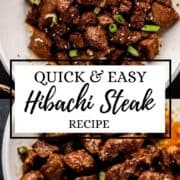
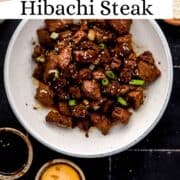
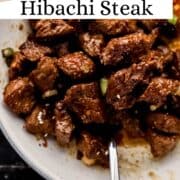
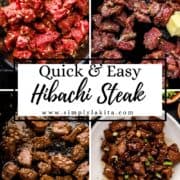
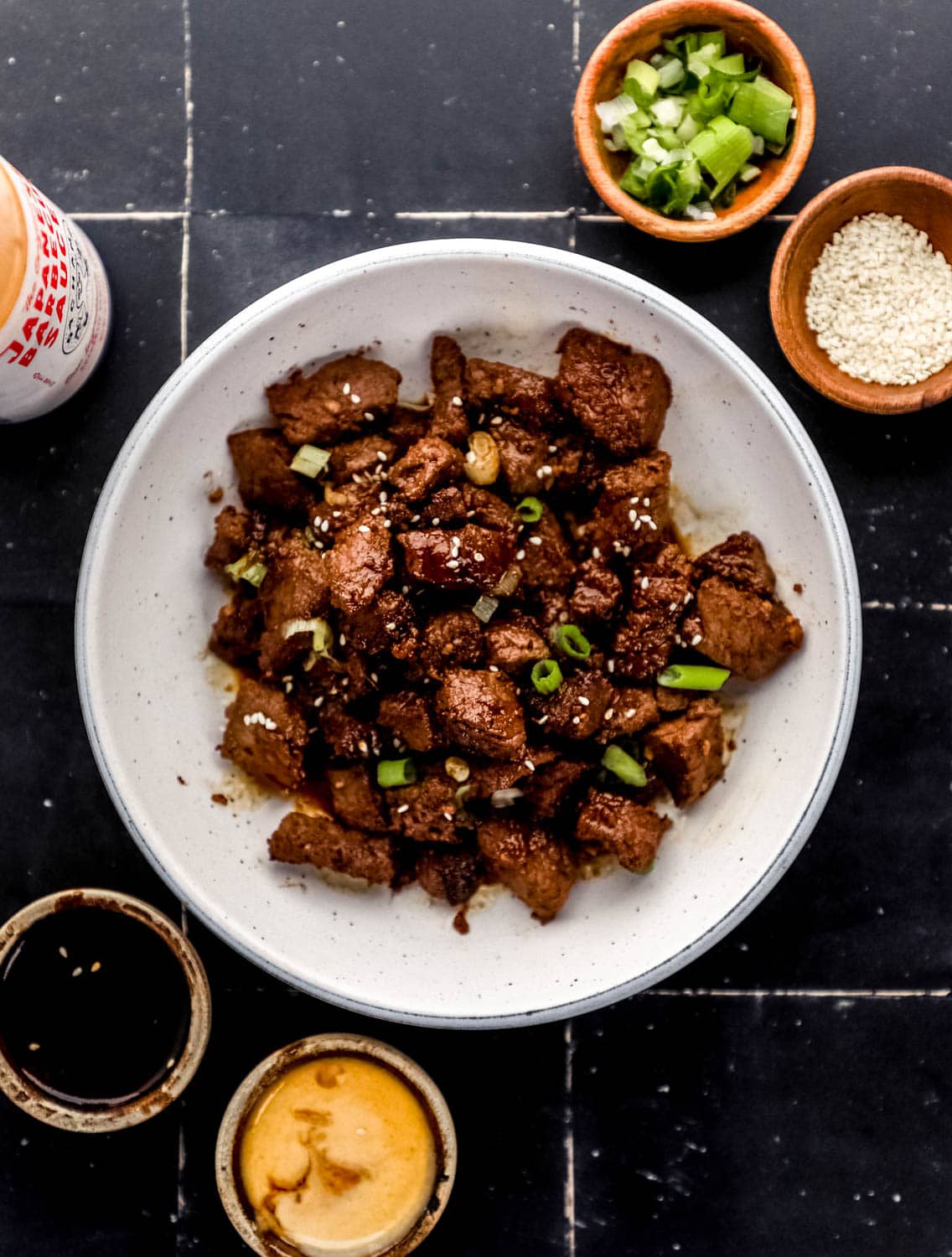
This Hibachi Steak recipe is juicy, tender, and flavorful pieces of sirloin steak. It's made with a few ingredients including a tasty marinade, making it a quick and easy recipe that's perfect for a delicious weeknight-friendly dinner at home.
Updated July 17, 2026: I've refreshed this post with new tips, expanded FAQs, and helpful make-ahead instructions based on your questions and feedback. Same delicious recipe, even more helpful! Originally posted on October 4, 2024.
Want To Save This Recipe?
Watch this quick video tutorial!
Going to a Japanese steakhouse is one of my favorite kinds of night out. You gather around that piping hot grill with friends or total strangers, the chef flips a spatula, maybe catches an egg in his hat, and dinner turns into a show. It's the perfect balance of good food and pure entertainment, and it never gets old.
But here's what I've learned after years of recreating hibachi dishes in my own Florida kitchen: that juicy, buttery steak is the easiest part of the whole meal to make at home. I've tested this recipe with different cuts, marinade times, and pans, and my family will tell you the sirloin version made in my trusty cast iron skillet is the one they ask for again and again.
If you've been wanting that Japanese steakhouse flavor without the Japanese steakhouse bill, this one's for you. Let's get started!
Why You'll Love This Hibachi Steak
- Just 8 ingredients - The simple soy-mirin marinade does all the heavy lifting, and everything is easy to find at your regular grocery store.
- On the table fast - Five minutes of prep and five minutes in a hot skillet. The marinade works while you're doing something else.
- Restaurant flavor at home - Butter, garlic, ginger, and a screaming-hot pan give you that unmistakable steakhouse taste for a fraction of the price.
- Builds a whole hibachi night - Pair it with my fried rice, vegetables, and yum yum sauce and you've got the full experience without leaving the house.
Ingredients You'll Need
Here's everything you'll need to make this recipe.
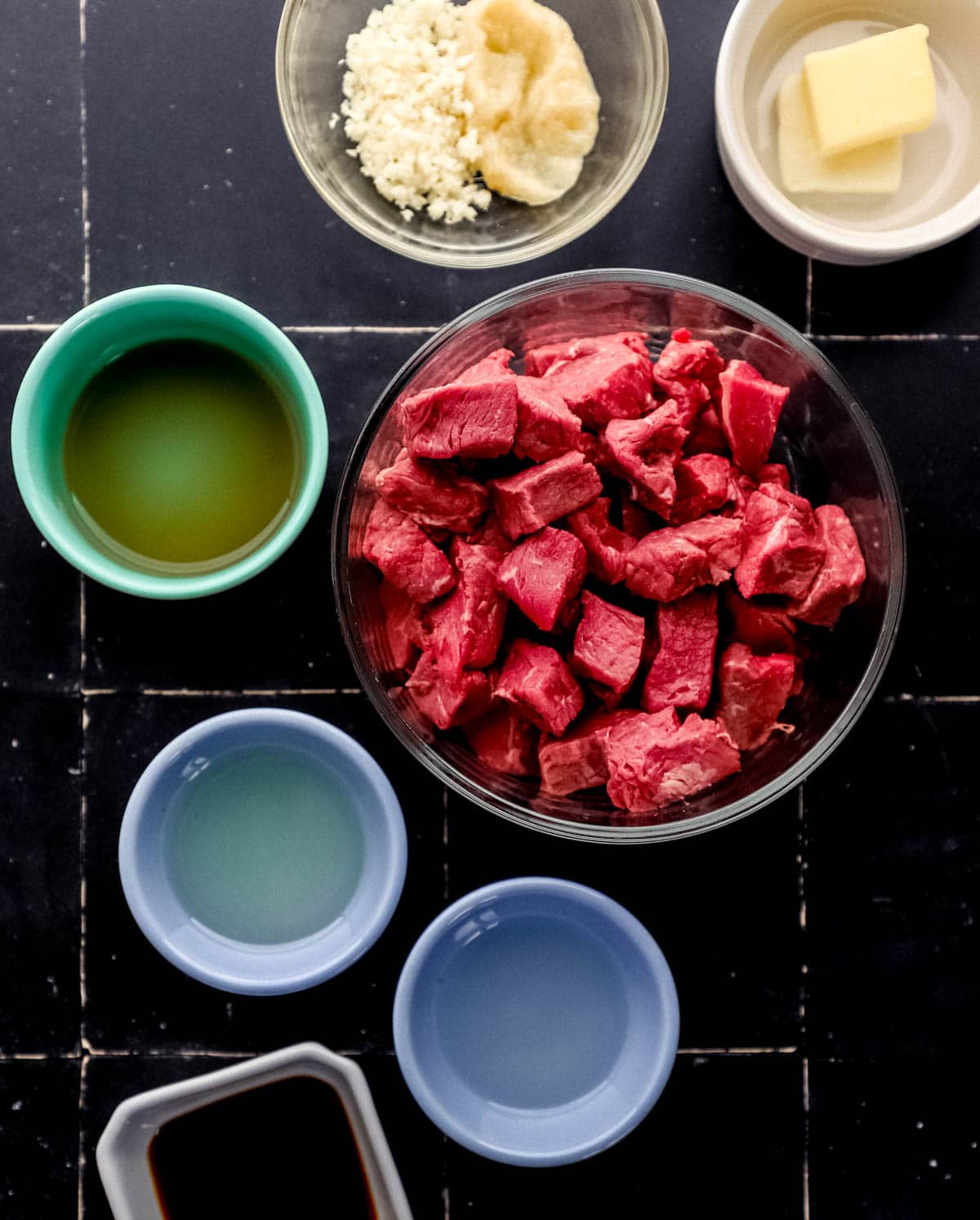
- Steak - I like to keep things simple with sirloin steak. It's easy to find, reasonably priced, and stays tender when cut into bite-sized pieces. Ribeye, New York strip, or filet mignon work beautifully too, see the next section for how to choose.
- Soy Sauce - The salty, umami backbone of the marinade, just like Japanese steakhouses use. Tamari or low-sodium soy sauce works if you prefer.
- Mirin - A sweet, tangy Japanese rice wine that balances the soy sauce. Look for it in the same aisle as soy sauce. Dry sherry or dry white wine with a pinch of sugar makes a fine substitute.
- Garlic and Ginger - Fresh minced garlic brings that earthy punch, and fresh ginger adds a warm, slightly spicy note. Jarred garlic and ginger paste both work in a pinch.
- Sesame Oil - Adds a toasted, nutty depth that ties the marinade together. A little goes a long way.
- Vegetable Oil - You need a neutral, high-heat oil for the sear. Canola or avocado oil work too, just skip the olive oil, which can't take the heat.
- Butter - The hibachi secret weapon. Salted, unsalted, or garlic butter all work. It's what gives the steak that rich steakhouse finish.
👉🏾 See the recipe card below for exact quantities and full instructions.
Best Steak for Hibachi (Which Cut to Buy)
This is the question I get more than any other, so let's settle it. The best steak for hibachi is a tender cut that can handle fast, high-heat cooking after being cut into cubes. Here's how the options stack up:
- Sirloin (my pick) - The cut most hibachi restaurants actually use, and what I use in this recipe. It has enough marbling to stay juicy, holds its shape in cubes, and won't break the grocery budget.
- Ribeye - The most flavorful option thanks to heavy marbling. It's richer and pricier, but if you're celebrating, go for it. I walk through choosing a good one in my How to Cook Ribeye Steak post.
- New York Strip - A favorite of hibachi chefs for its balance of fat, tenderness, and beefy flavor. A great middle ground between sirloin and ribeye.
- Filet Mignon - The most tender cut you can buy, and what you're getting when you order "hibachi filet" at the restaurant. It's leaner, so watch it closely, it goes from perfect to overdone quickly.
Whatever you choose, look for even marbling (those thin white streaks of fat) and a steak at least an inch thick so your cubes cook up juicy instead of drying out.
How to Make Hibachi Steak
Here's a quick overview of the process. Full step-by-step instructions are in the recipe card below.
Step 1: Prep and Cube the Steak
Pat the steak completely dry with paper towels, then cut it into even 1-inch cubes. Drying matters more than you'd think. Surface moisture steams the meat instead of searing it, and even sizing means every piece finishes at the same time. If knife work isn't your thing, ask the meat department to cube it for you.
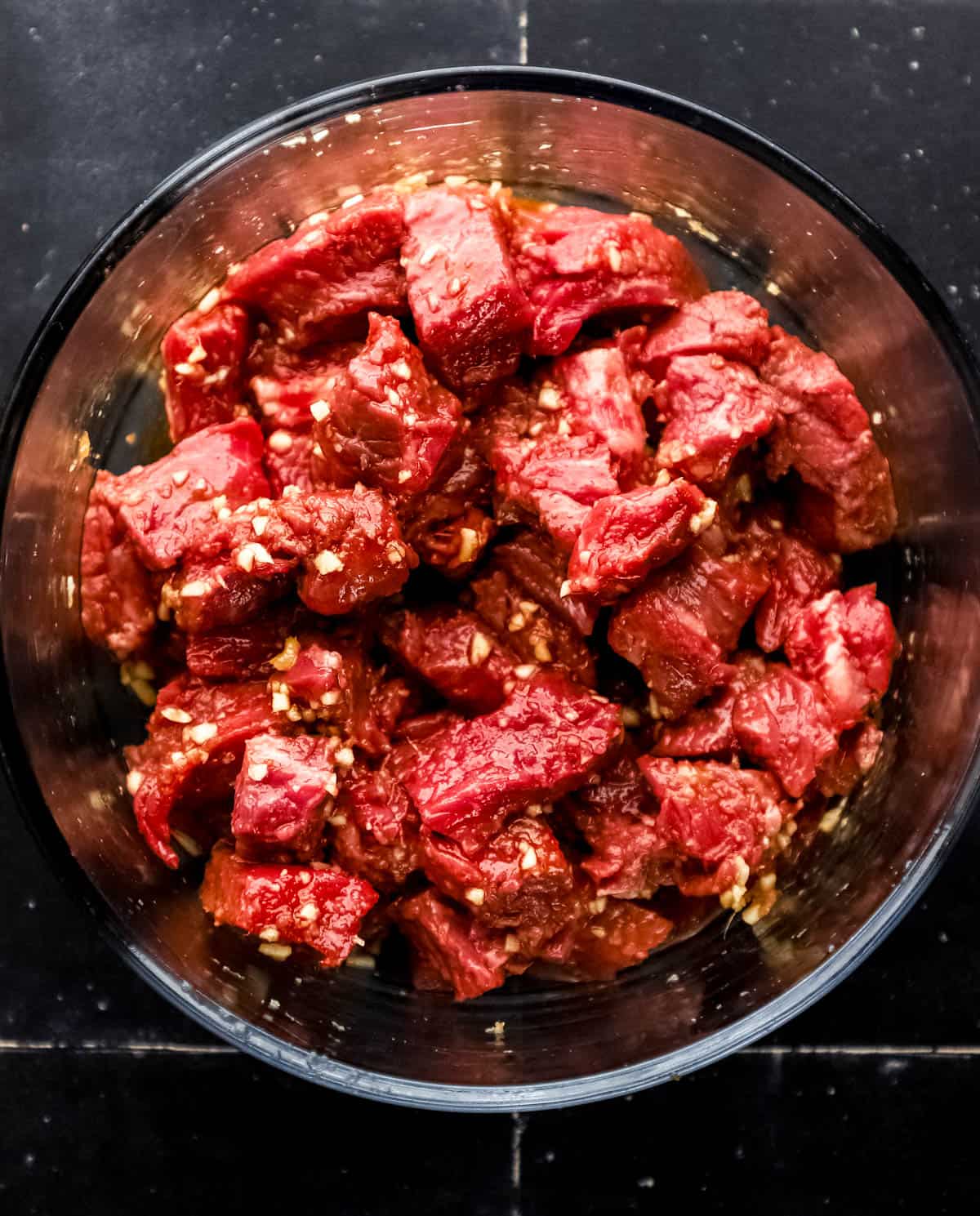
Step 2: Mix the Marinade
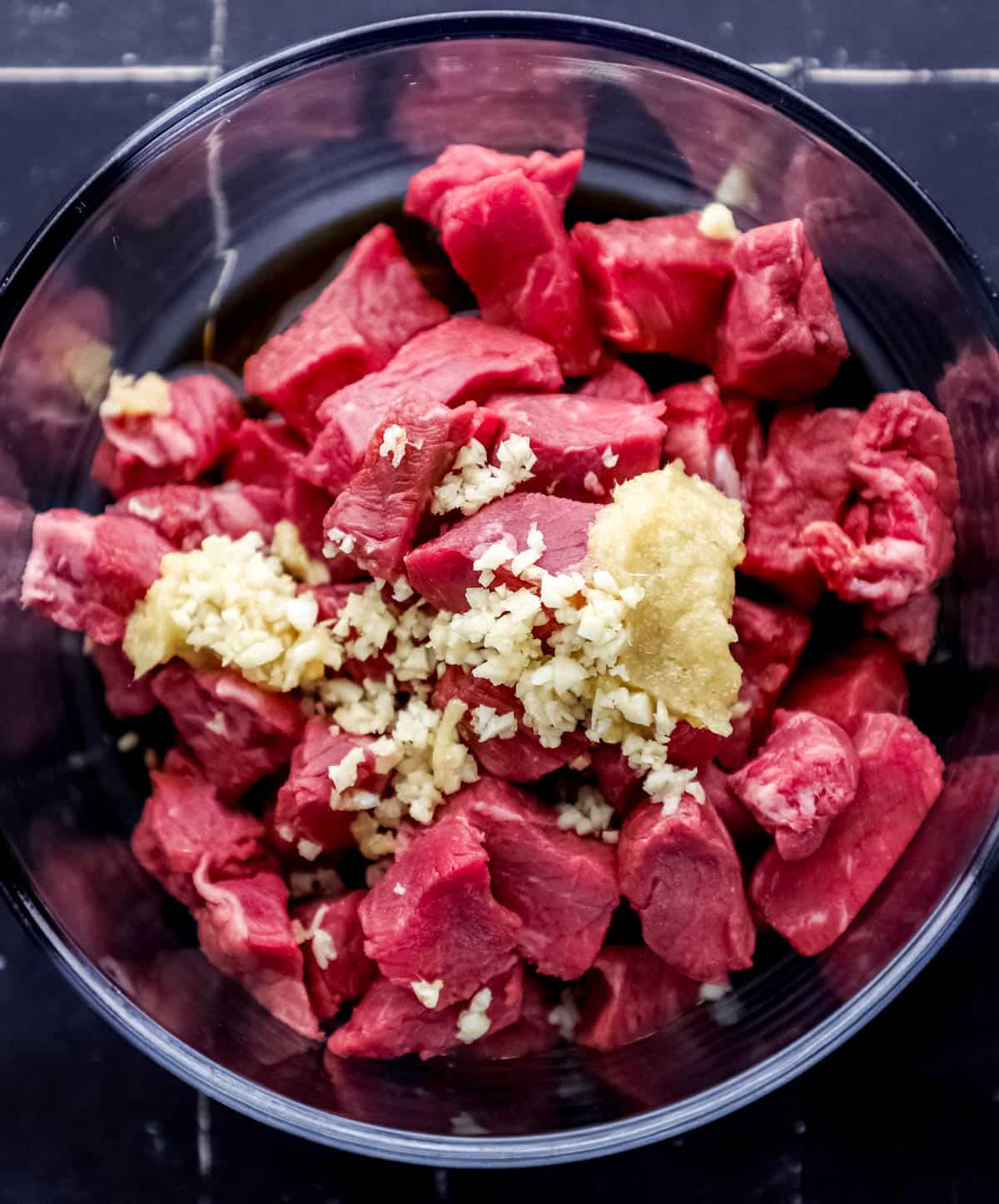
Whisk the soy sauce, mirin, garlic, ginger, and sesame oil together in a large bowl. This is the same simple flavor combination the steakhouses lean on, salty, sweet, and aromatic, with nothing to overpower the beef.
Step 3: Marinate
Toss the steak in the marinade until every piece is coated, then cover and refrigerate for at least 30 minutes, up to 8 hours. Short on time? You can cook right away, but even a half hour makes a real difference in flavor.
Step 4: Get the Pan Screaming Hot
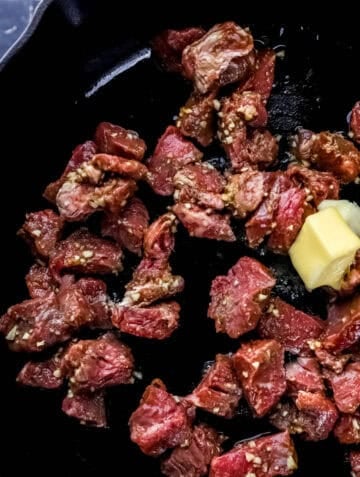
Take the steak out of the fridge and let it come toward room temperature while a large skillet heats over medium-high. Add the oil and butter and let the butter melt and foam. A properly hot pan is the difference between a golden sear and gray, steamed steak.
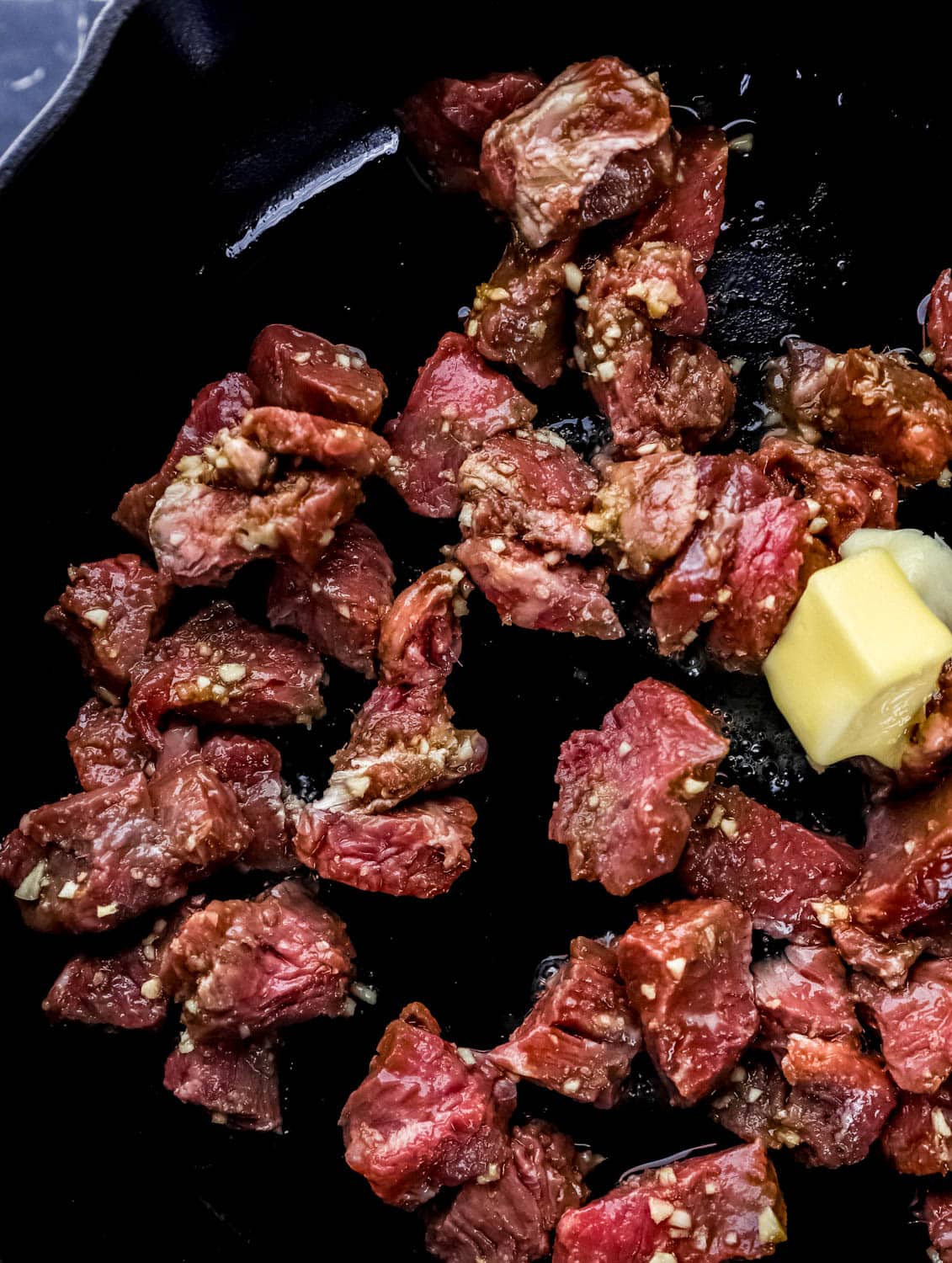
Step 5: Sear Fast and Keep It Moving
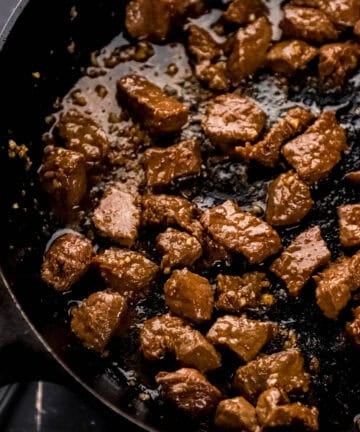
Add the steak in a single layer and cook 4 to 5 minutes, tossing often with tongs, until browned on all sides. Don't crowd the pan. Work in two batches if you need to, because crowded steak releases juices and boils instead of searing.
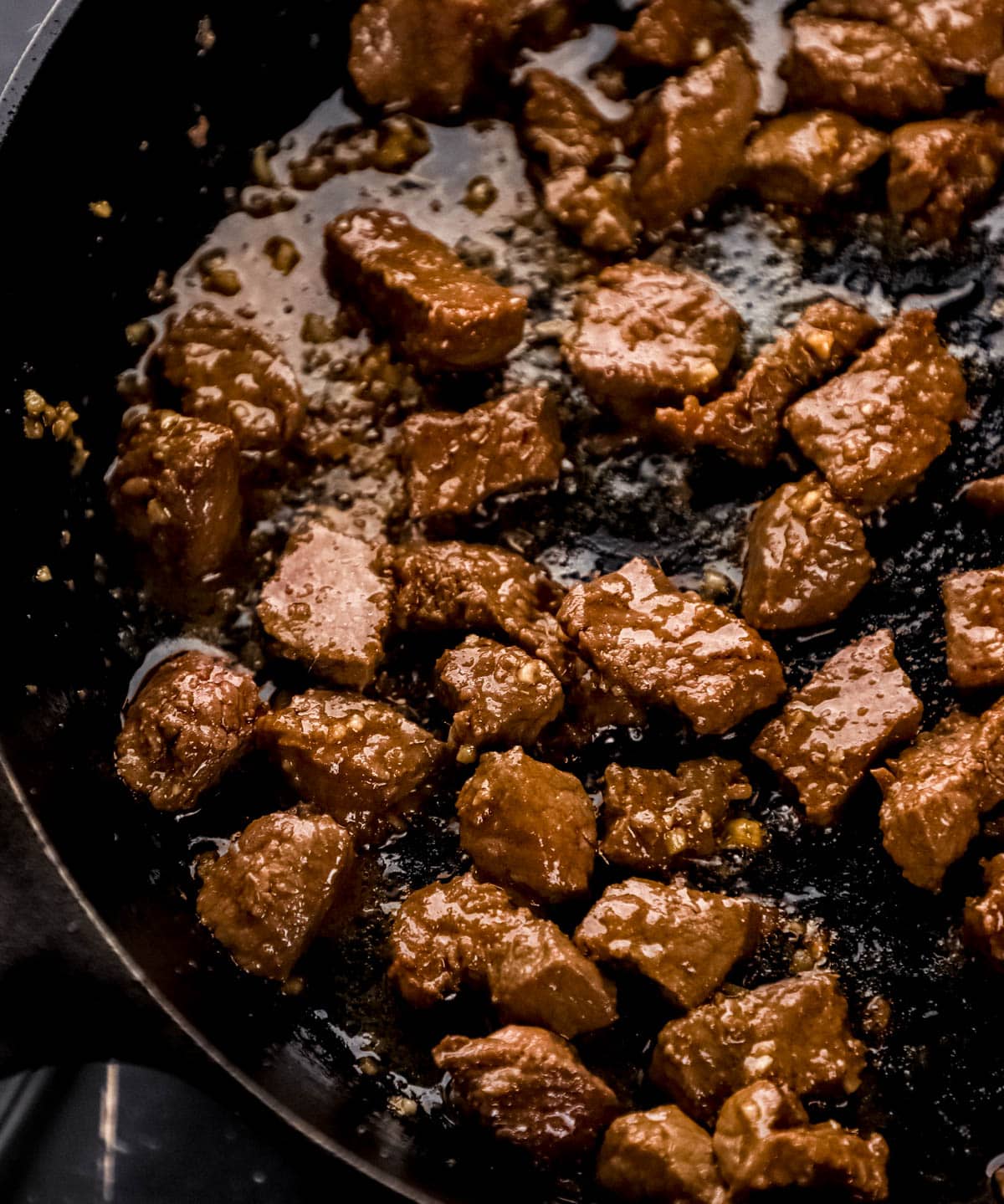
Step 6: Serve It Sizzling
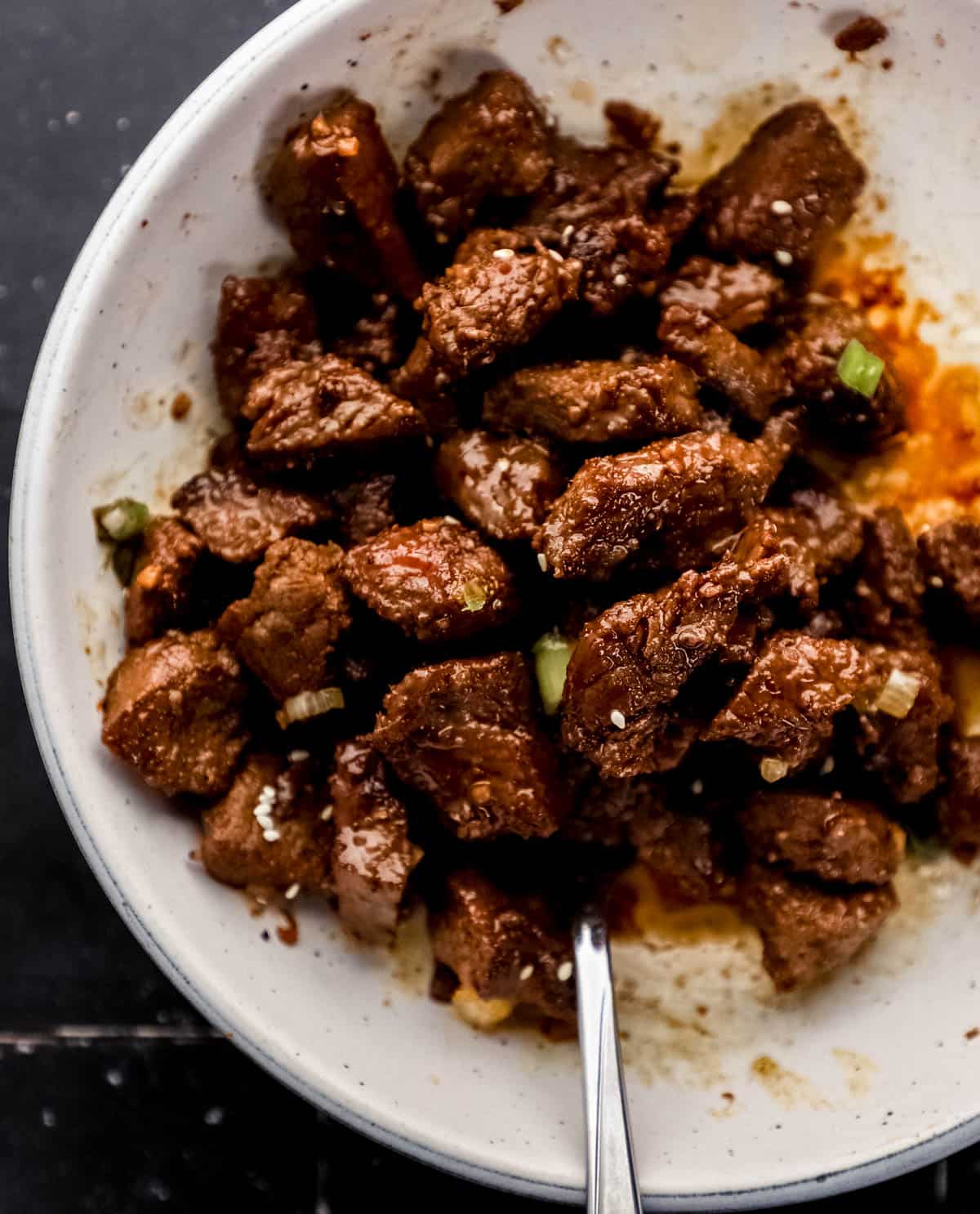
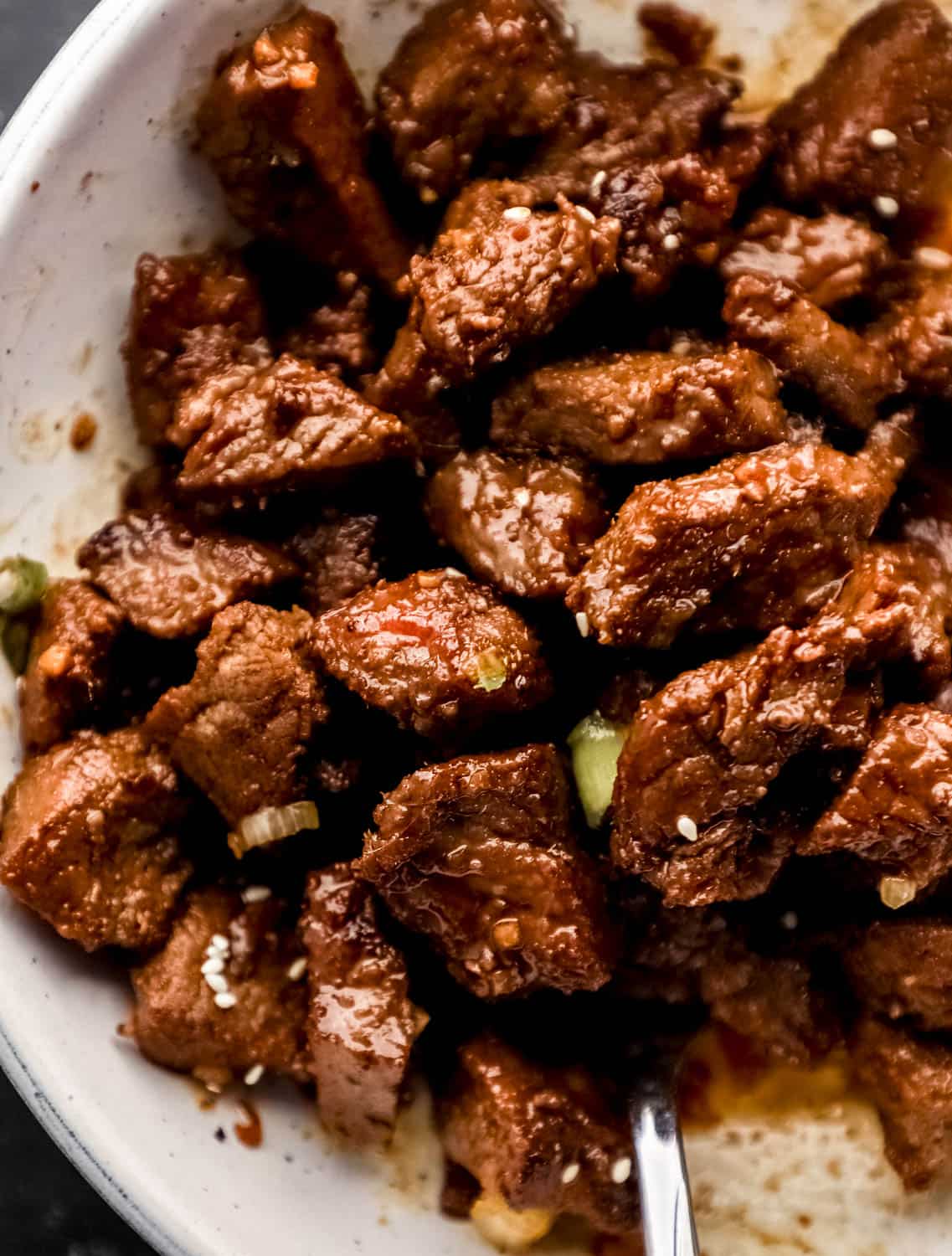
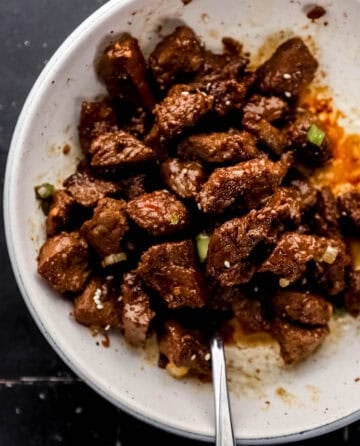
Transfer the steak to a plate and top with sesame seeds and freshly chopped green onion. Serve it hot, hibachi steak is at its absolute best straight out of the pan.
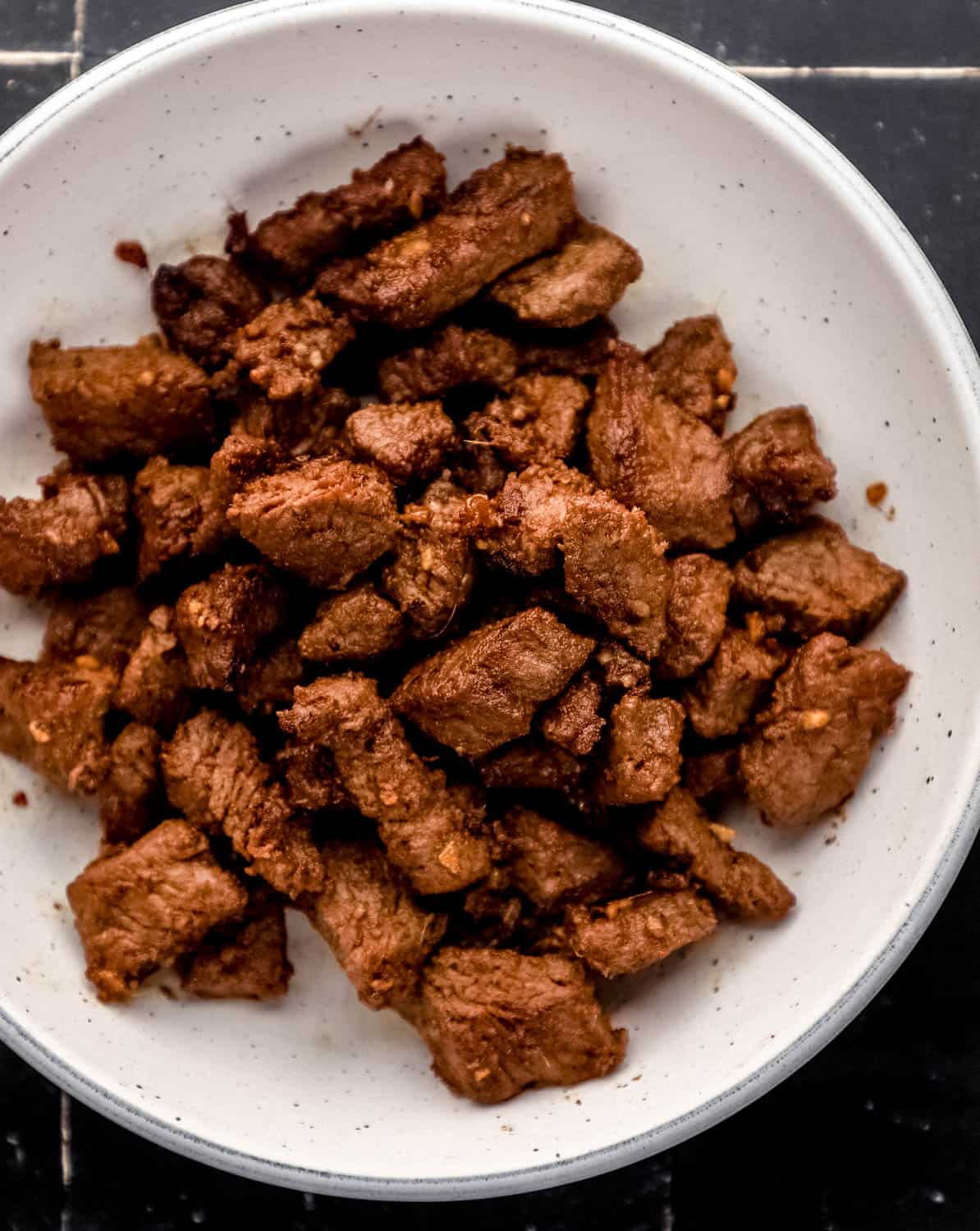
LaKita's Expert Tips
Here are my best tips for making this recipe turn out perfectly every time.
- Use a timer for doneness: about 2 minutes of tossing for medium-rare (135°F), 3 minutes for medium (145°F), and 4-5 minutes for well done. Cubes cook much faster than a whole steak.
- An instant-read thermometer takes the guesswork out. Pull a cube and check the center if you're unsure.
- Cast iron holds heat better than nonstick for this recipe. If your sear stalls when the meat hits the pan, your skillet wasn't hot enough, or it's overcrowded.
- Let the marinated steak sit out for 15-20 minutes before cooking. Cold-from-the-fridge cubes drop the pan temperature and won't brown as well.
- Save a spoonful of butter to toss with the steak right at the end. That last-second butter baste is the closest thing to the hibachi chef's finishing move.
- Cooking for a crowd? A Blackstone griddle or flat-top gives you the most authentic result and room to cook everything in one batch.
- Don't discard the browned bits in the pan. Deglaze with a splash of water or broth and pour it over the steak for extra flavor.
Variations & Substitutions
This recipe is flexible, here are some easy ways to make it your own.
- Hibachi steak and mushrooms - Sear sliced mushrooms in the pan first, set aside, then toss them back in with the finished steak.
- Garlic butter finish - Swap the plain butter for garlic butter, or stir an extra minced clove into the pan in the last 30 seconds.
- Gluten-free - Use tamari or coconut aminos in place of soy sauce and double-check your mirin label.
- Surf and turf night - Cook a batch of my Hibachi Shrimp alongside the steak for the full steakhouse combo.
- Spicy version - Add a squeeze of sriracha to the marinade or serve with spicy mayo.
- Teriyaki twist - Toss the cooked steak with a spoonful of my Easy Teriyaki Sauce for a sweeter, glossier finish.
Make-Ahead & Storage
Make-Ahead
The steak can be cubed and combined with the marinade up to 8 hours ahead. Just keep it covered in the refrigerator until about 20 minutes before cooking. You can also mix the marinade itself up to 3 days in advance and store it in a jar in the fridge, so dinner is just cube, toss, and sear.
Storage & Reheating
Let leftover steak cool to room temperature, then store it in an airtight container in the refrigerator for up to 4 days. To reheat, warm it in a skillet over medium heat with a little oil until just heated through. The microwave works in a pinch, and the air fryer at 350°F for a few minutes brings back some of that crisp edge. I don't recommend freezing cooked hibachi steak. It loses its sear and tends to dry out when thawed and reheated.
What to Serve with Hibachi Steak
Here are some of my favorite ways to serve this dish.
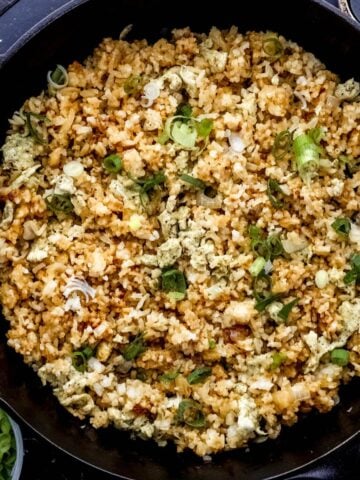
- Spoon it over a big scoop of Hibachi Fried Rice. The steak juices soaking into the rice is the best part.
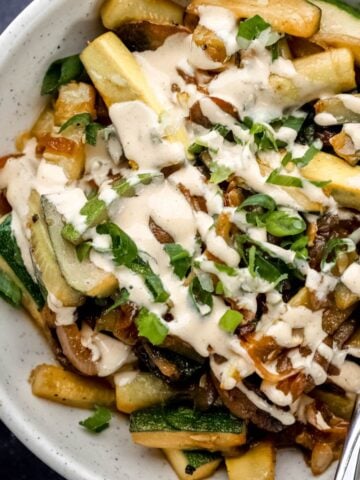
- Add a side of Hibachi Vegetables for that classic zucchini-onion-mushroom combo.
- Drizzle everything with Yum Yum Sauce, nobody skips the pink sauce.
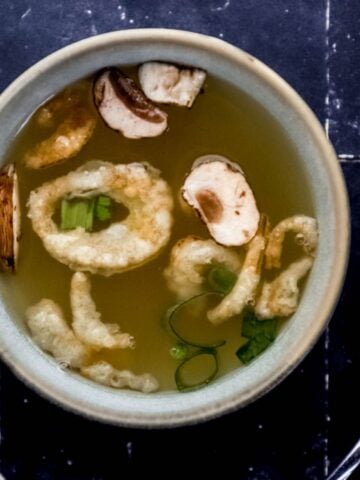
- Start the meal with a warm bowl of Hibachi Soup, just like the restaurant.
- Round out the spread with a crisp salad topped with Ginger Dressing.
Frequently Asked Questions
Sirloin, ribeye, New York strip, and filet mignon are the best cuts for hibachi steak. They're tender enough to stay juicy when cubed and cooked fast over high heat. Sirloin is what most hibachi restaurants use and what I recommend for everyday cooking, it delivers great flavor at a friendly price. Save ribeye or filet for special occasions.
Absolutely, filet mignon is the most tender option and what restaurants serve as "hibachi filet." Because it's leaner than sirloin or ribeye, keep the cook time on the shorter side (2 to 3 minutes) so it doesn't dry out. The butter in the pan helps make up for the lower fat content.
What is hibachi steak?
Hibachi steak is bite-sized pieces of tender steak seared over very high heat with butter, soy sauce, and aromatics. The style American Japanese steakhouses like Benihana made famous. At the restaurant it's cooked on a large flat-top grill in front of you. At home, a hot cast iron skillet or wok gets you remarkably close.
The two classics are yum yum sauce (the creamy pink one) and ginger sauce. Mustard sauce, teriyaki sauce, and hoisin also show up at some steakhouses. My homemade Yum Yum Sauce takes about 5 minutes to whisk together and keeps in the fridge all week.
The flavor comes from the marinade rather than a dry seasoning blend: soy sauce, mirin, garlic, ginger, and sesame oil, finished with butter in the pan. Some chefs add a light sprinkle of salt and pepper before searing, and sesame seeds and green onion go on at the end.
At least 30 minutes, and up to 8 hours in the refrigerator. Thirty minutes gives you noticeably better flavor than none at all, while several hours lets the soy and ginger really work into the meat. I don't recommend going past 8 hours, the soy sauce can start to change the texture of the steak.
Because the pieces are small, they cook fast: about 2 minutes for medium-rare (135°F), 3 minutes for medium (145°F), and 4 to 5 minutes for well done. The most reliable check is an instant-read thermometer in the center of a cube. When in doubt, pull one piece out and cut into it.
Yes, a Blackstone or any flat-top griddle is actually the closest thing to the restaurant setup. Heat it to medium-high, use the same oil-and-butter combination, and keep the steak moving with two spatulas. The big surface means you can cook the whole batch at once with a great sear.
It comes down to three things you can do at home: a tender cut of beef, very high heat for a very short time, and plenty of butter. Some restaurants also cook the steak whole and slice it after. Either way, the key is not overcooking those small pieces.
Yes, this soy-mirin marinade works beautifully on both. For chicken, marinate up to 8 hours just like the steak; for shrimp, keep it to 30 minutes or less so the texture stays right. I have dedicated recipes for Hibachi Chicken and Hibachi Shrimp if you want the full method.
📖 Recipe
Hibachi Steak Recipe
Video
Equipment
- 1 Wok or Large Skillet
Ingredients
- 1 ½ pounds sirloin steak, cut into 1-inch pieces
- 1 tablespoon soy sauce
- 1 tablespoon mirin
- 2 cloves garlic, minced
- ½ tablespoon ginger, minced
- 1 teaspoon sesame oil
- 1 tablespoon vegetable oil
- 1 tablespoon butter
Instructions
- Begin the recipe by preparing the sirloin steak. Grab some paper towels and use them to remove any excess moisture from the 1 ½ pounds sirloin steak. Cut it into even-sized pieces, about 1-inch cubes. Set aside.
- Using a large bowl, prepare the marinade by adding 1 tablespoon soy sauce, 1 tablespoon mirin, 2 cloves minced garlic, ½ tablespoon minced ginger, and 1 teaspoon sesame oil.
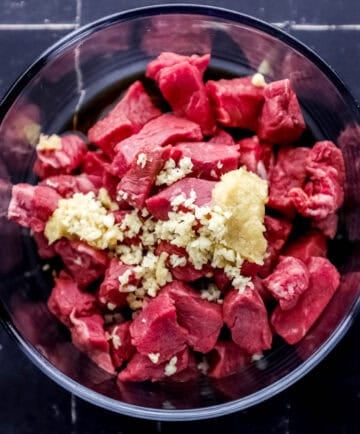
- Stir to combine before adding the prepared steak. Using tongs, toss to combine and fully coat the raw steak in the marinade.
- Cover and place in the refrigerator for at least 30 minutes, but you can leave it for up to 8 hours. If you're in a rush, you can go ahead and cook it immediately, but it will not be as flavorful.
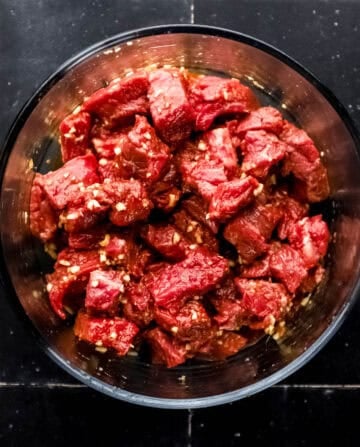
- After the steak has had time to marinate, remove it from the refrigerator and allow it to come to room temperature.
- Place a large skillet on the stovetop over medium-high heat and allow it to warm before adding the oil. Allow the 1 tablespoon vegetable oil to heat and add the marinated steak. Add 1 tablespoon butter.
- Allow it to cook for 4 to 5 minutes, until the steak has browned on all sides. Carefully remove the steak from the pan and transfer it to a plate.
- Serve warm topped with sesame seeds and some freshly chopped green onion. Enjoy!
Did You Make This Recipe?
There's nothing that makes my day like hearing this recipe brought a little hibachi magic to your kitchen table. If you give this hibachi steak a try, I'd love to know what you think! Leave a comment and a star rating below, share a photo on Instagram and tag @SimplyLaKita, or save it on Pinterest for later. And if you have questions along the way, drop them in the comments. I read every one.
Leave a Reply