
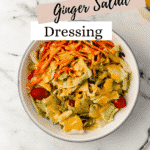
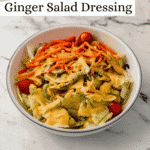
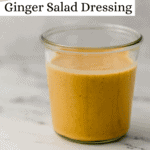
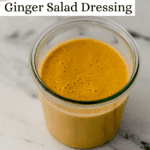
This Hibachi Ginger Dressing is popular at most Japanese-inspired restaurants. Make it at home with a few ingredients for a slightly sweet, tangy, and flavorful salad dressing.
Updated April 2026: I've refreshed this post with expanded tips, a full FAQ section, make-ahead guidance, and storage details based on your questions and comments over the years. Originally posted on October 8, 2021.
Want To Save This Recipe?
Watch this quick video tutorial!
There's a moment at every hibachi dinner when the salad arrives, that tiny little bowl of iceberg lettuce that somehow disappears before the chef has even fired up the grill. The reason? The dressing. That tangy, slightly sweet, pale orange ginger dressing that Japanese steakhouses serve is something people genuinely look forward to, and I am absolutely one of those people. I've been obsessed with recreating it at home ever since my first hibachi dinner years ago, where I sat around that big flat top grill convinced the dressing must be some kind of secret that only restaurant chefs knew.
It is not a secret. After testing this more times than I can count, I can tell you that this homemade hibachi ginger dressing comes together in about 10 minutes with ingredients you can find at any grocery store. It tastes exactly like the Japanese steakhouse salad dressing you grew up loving. Zesty, savory, a little sweet, and completely addictive. My family now keeps a jar of this in the refrigerator at all times, which tells you everything you need to know about how it turned out.
Whether you're building a full at-home hibachi night or just need a great salad dressing for the week, this one is going to become a regular in your rotation. Let's get started!
Jump to:
Why You'll Love This Recipe
- 10-minute recipe - Everything goes into a blender, blend for 30 seconds, and you're done. No cooking required, no special equipment beyond a standard blender.
- Tastes just like the restaurant - The combination of fresh ginger, celery, rice vinegar, and soy sauce hits every note of that classic Japanese steakhouse ginger dressing you know and love.
- Simple, real ingredients - No mystery powders or hard-to-find items. Everything on this ingredient list is something you can grab at a regular grocery store.
- Incredibly versatile - This dressing isn't just for salads. Use it as a marinade for chicken, a dipping sauce for vegetables, or a drizzle over rice bowls. Once you have a jar in the fridge, you'll find a reason to use it on everything.
Ingredients You'll Need
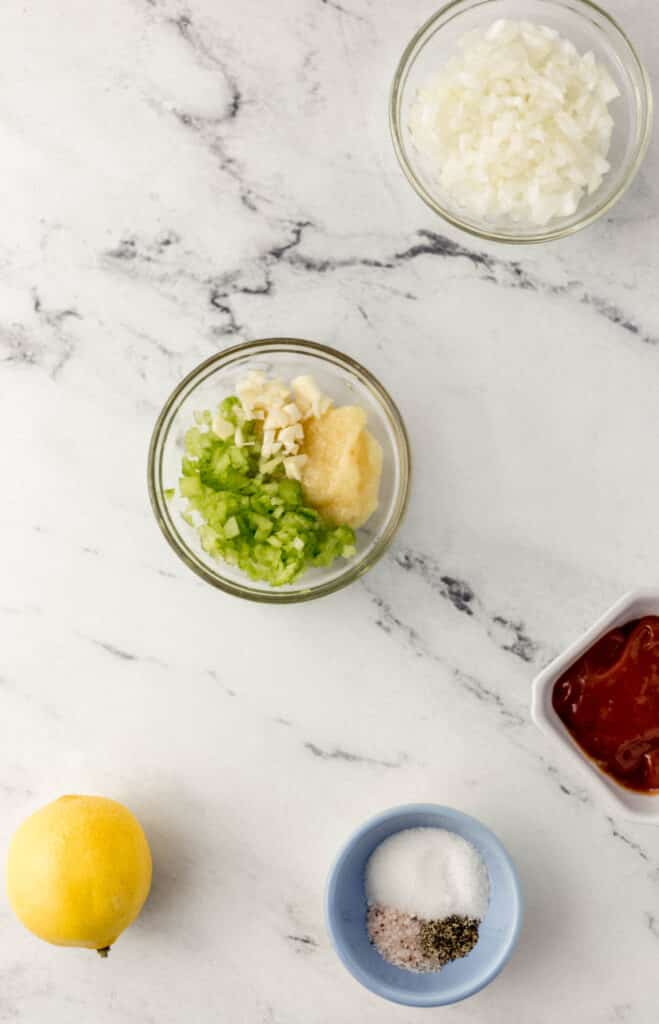
- Onion - Use any onion that you prefer or have on hand. Yellow, white, and Vidalia are all great options.
- Olive Oil - Oil is the main ingredient when it comes to making any good salad dressing. You may substitute olive oil for avocado oil, vegetable oil, or peanut oil instead.
- Rice Vinegar - Made with fermented rice and helps to give the dressing its mild but slightly sweet flavor.
- Ginger - Fresh ginger works best in this recipe. If you prefer to use pre-minced ginger, then you may use that as well.
- Celery - Allows the Japanese ginger dressing to have a slight crunch and gives it a fresh, neutral flavor. Do not omit this ingredient.
- Ketchup - Helps to add sweetness and thicken the dressing.
- Soy Sauce - Adds salty and meaty flavor to the dressing. A staple in hibachi dishes. Coconut aminos could be used as a substitute.
- Granulated Sugar - This will balance the saltiness and tangy flavor of the dressing.
- Lemon Juice - Liquid and acid are needed for the salad dressing. Try to use fresh lemon juice.
- Garlic - A small amount is needed in this salad recipe. Use fresh garlic and mince it yourself, or use pre-minced garlic that comes in a jar, just make sure there are no additional ingredients.
- Salt - Season the dressing, just add a small amount.
- Ground Black Pepper - Another season to balance the dressing, just add a small amount.
👉🏾 See the recipe card below for exact quantities and full instructions.
How to Make Hibachi Ginger Dressing Recipe
Step 1: Prep Your Aromatics
Peel and mince the fresh ginger, garlic, celery, and onion. You don't need them perfectly minced, since everything goes into the blender, even a rough chop will work. However, taking a moment to roughly chop these ingredients (rather than adding them whole) helps the blender achieve a smoother, more cohesive texture faster. If your blender is high-powered, you can skip the pre-chopping entirely.
Step 2: Blend Everything Together
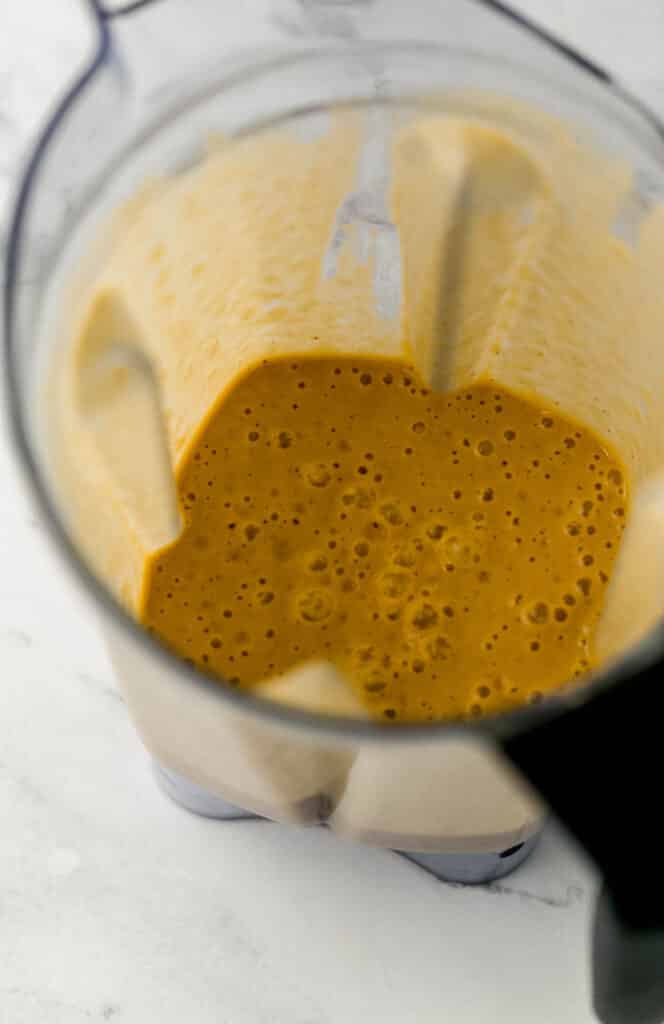
Add all of the ingredients to your blender. The aromatics you just prepped plus the olive oil, rice vinegar, ketchup, soy sauce, sugar, lemon juice, salt, and pepper. Blend on high speed for 30 to 60 seconds, until the mixture is fully pureed and smooth. Stop and scrape down the sides once if needed. A standard blender works just fine for this recipe; you don't need anything fancy.
Step 3: Taste and Adjust
Before transferring to a jar, taste the dressing and make any final adjustments. Want it tangier? Add a splash more rice vinegar. Need it slightly sweeter? A pinch more sugar. More ginger heat? Add a little more fresh ginger and blend again for 10 seconds. This is your dressing, make it yours.
Step 4: Chill Before Serving
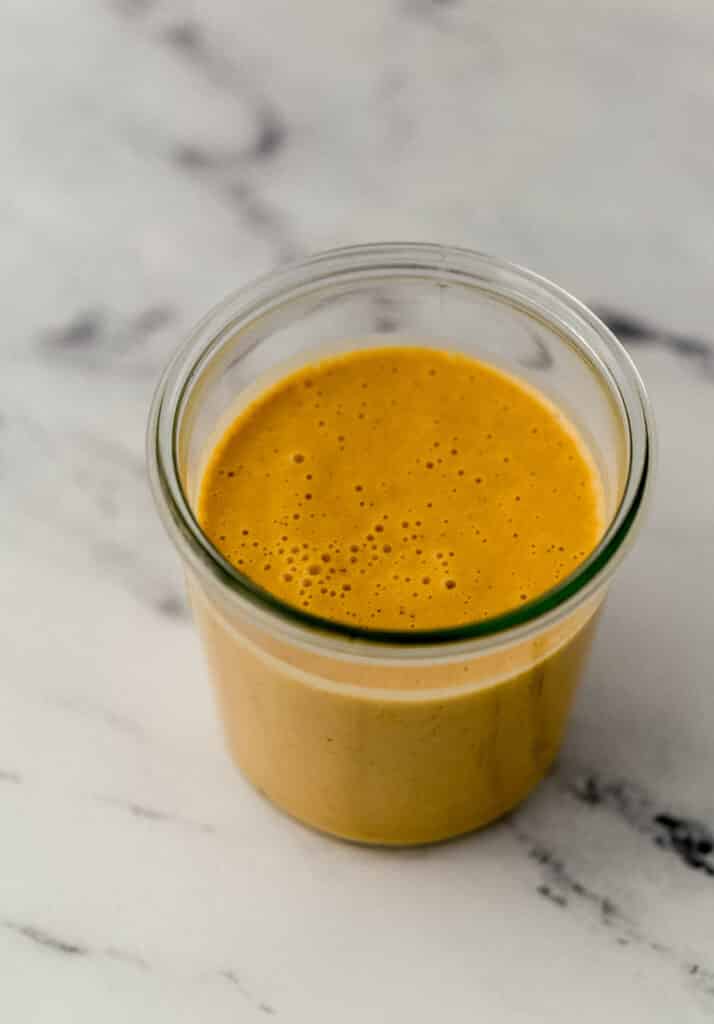
This is the step most people skip, and it makes a real difference. Transfer the blended dressing to a jar or airtight container and refrigerate for at least 30 minutes before serving. The flavors come together and mellow as it chills, and the dressing tastes noticeably better after that rest time. If you have the patience, making it the night before is even better.
LaKita's Expert Tips
- Use a high-speed blender for the smoothest texture. A standard blender produces a slightly chunkier dressing, which is still delicious. If you want the ultra-smooth, pourable texture you get at restaurants, a high-powered blender like a Vitamix gives you that silky consistency.
- Don't skip the chill time. Fresh ginger and raw onion can be sharp right after blending. Letting the dressing rest in the refrigerator for at least 30 minutes (and ideally 2 hours) allows everything to mellow and meld together. The dressing is genuinely better the next day.
- Shake or stir before serving. Because this is an oil-and-vinegar-based dressing, it will naturally separate in the refrigerator. A quick shake of the jar or a stir before drizzling is all it takes to bring it back together.
- Taste your soy sauce first. Different brands vary significantly in saltiness. If yours is particularly salty, start with slightly less and adjust after blending, rather than over-salting and not being able to fix it.
- The celery amount matters. It's a small amount, but celery is part of what makes this taste like the restaurant version. Too much and it becomes grassy; too little and you lose that subtle freshness. Stick close to the recipe on this one.
- Try it as a marinade. This dressing doubles as an incredible marinade for chicken, shrimp, or pork. Let the protein sit in it for 30 minutes to 2 hours before grilling or cooking on a cast iron skillet. The ginger and soy sauce work beautifully as a marinade base.
Variations & Substitutions
- Add carrot for a carrot-ginger dressing. Many Japanese steakhouse dressings include carrot, which adds natural sweetness and turns the dressing a deeper orange color. Roughly chop one medium carrot and blend it in with everything else. You may need to blend a bit longer for a smooth result.
- Make it gluten-free. Substitute the soy sauce with an equal amount of tamari or coconut aminos. Both work well, tamari stays closest to the original flavor, while coconut aminos is slightly sweeter and less salty, so taste and adjust accordingly.
- Use tomato paste instead of ketchup. If you want a less sweet, more savory dressing, swap the ketchup for a teaspoon of tomato paste. This also lowers the sugar content while keeping the body and color.
- Make it spicy. Add a small drizzle of sesame chili oil or a pinch of red pepper flakes to the blender for a little heat. A small amount of sriracha also works and doesn't overpower the ginger flavor.
- Swap the sweetener. Replace granulated sugar with honey or maple syrup for a more natural sweetener. Use the same amount and blend well.
- Use a neutral oil. If olive oil feels too assertive, swap it for avocado oil, vegetable oil, or light sesame oil. Some hibachi restaurants use peanut oil for a slightly nuttier finish. Try half olive, half peanut oil for a restaurant-close result.
Make-Ahead & Storage
Make-Ahead
This dressing is an ideal make-ahead recipe. You can blend it up to 5 days in advance and store it in an airtight jar in the refrigerator. The flavor actually improves after 24 hours as the ginger, garlic, and other aromatics have time to fully meld together. If you're planning a hibachi night at home, make the dressing the day before for the best results.
Storage & Reheating
Store leftover dressing in an airtight jar or container in the refrigerator for up to 5 days. Give it a good shake or stir before each use, as the oil and vinegar will naturally separate as it sits. This dressing does not need to be reheated, it's always served cold or at room temperature.
Freezing: This dressing can be frozen for up to 4 to 6 weeks. Pour it into ice cube trays, freeze solid, then transfer the cubes to a zip-top freezer bag. Thaw a cube or two in the refrigerator overnight when you're ready to use it, then stir or shake well before serving.
What to Serve with Hibachi Ginger Dressing Recipe
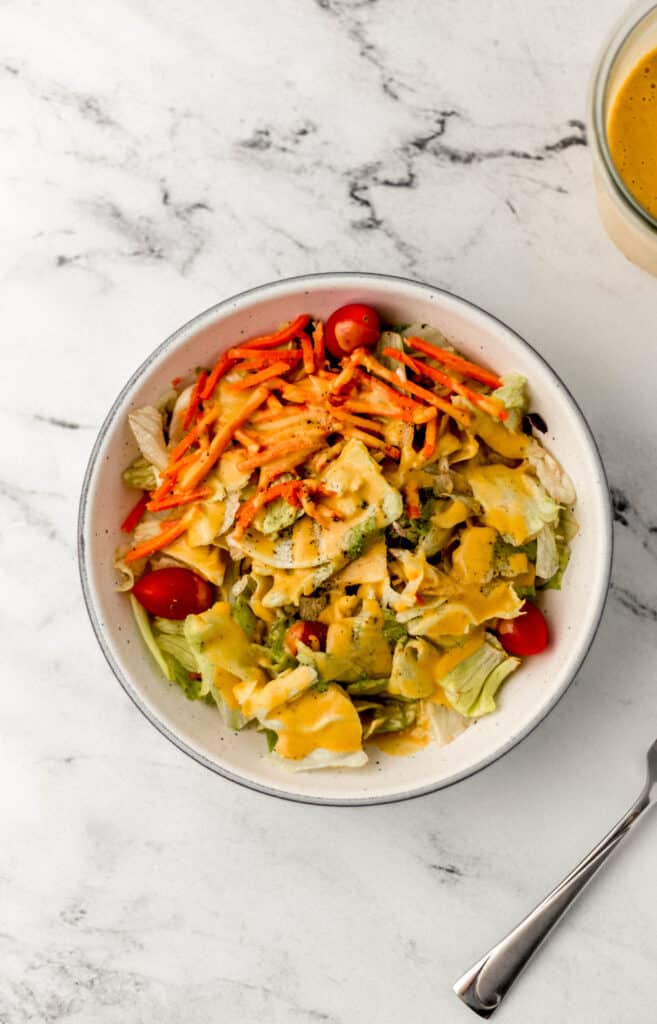
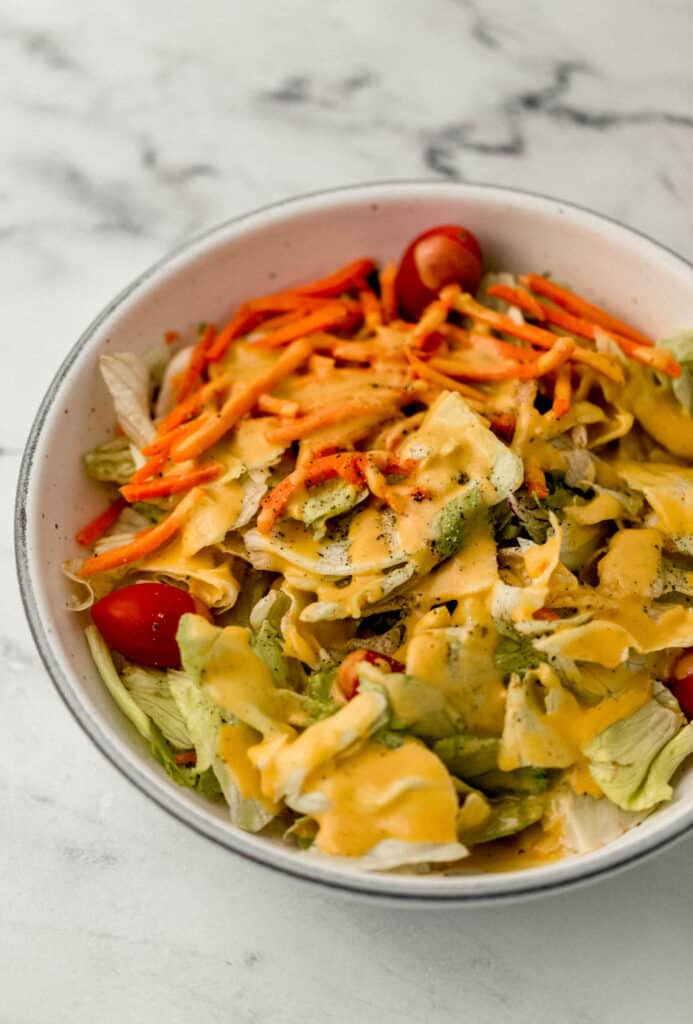
- Simple iceberg salad - The classic presentation. Chop iceberg lettuce into bite-size pieces, top with shredded carrots, a few thin slices of tomato, and drizzle generously with this dressing. Garnish with sesame seeds if you'd like.
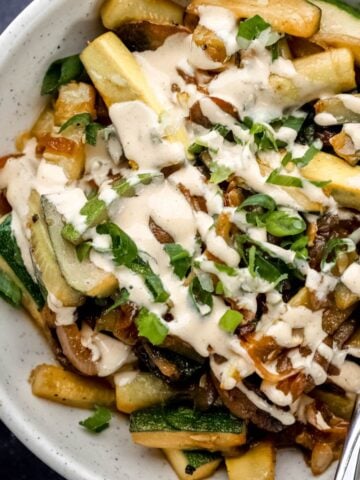
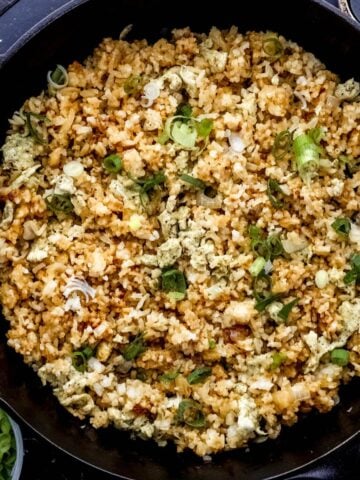
- Full hibachi night at home - This dressing is the perfect starter when you pair it with Hibachi Fried Rice, Hibachi Chicken, and Hibachi Vegetables for a complete at-home Japanese steakhouse experience.
- As a dipping sauce - Serve alongside Hibachi Shrimp or Yum Yum Sauce for a spread of hibachi-style dipping options. It's also great with a plate of raw vegetables like cucumbers, carrots, and snap peas.
- Over a rice bowl - Drizzle this over a bowl of steamed rice topped with grilled chicken or shrimp. It works surprisingly well as a light sauce, not just a salad dressing.
- As a marinade - Use it to marinate chicken breasts or shrimp for 30 minutes to 2 hours before cooking. Grill or cook in a cast iron skillet for a quick weeknight dinner with huge flavor. Try it before your next Hibachi Steak night.
Frequently Asked Questions
This copycat hibachi ginger dressing is made with fresh ginger, onion, celery, garlic, olive oil, rice vinegar, ketchup, soy sauce, granulated sugar, lemon juice, salt, and black pepper. Everything gets blended together until smooth. The combination of fresh ginger, celery, and rice vinegar is what gives it that signature Japanese steakhouse flavor.
Yes, because this dressing is made with fresh ingredients and no preservatives, it must be stored in the refrigerator. Keep it in an airtight jar or container and it will stay fresh for up to 5 days. Always stir or shake before serving since the oil and vinegar separate as it sits.
You can, but the texture will be different. If you don't have a blender or food processor, mince all of the fresh ingredients (ginger, onion, celery, garlic) as finely as possible, then whisk the dressing together by hand. The result will be a chunkier, more textured dressing rather than a smooth, pourable one. Still delicious, just different.
A few things could be at play. First, make sure you're using fresh ginger, dried or ground ginger will not give you the same bright, zingy flavor. Second, don't skip the celery; it contributes to the signature flavor more than you'd expect. Third, let the dressing chill for at least 30 minutes before serving. The flavors mellow and blend together as it rests, and right-out-of-the-blender dressing can taste sharp and unbalanced.
I strongly recommend using fresh ginger for this recipe. Ground ginger has a warm, almost spicy flavor that's completely different from the bright, zingy punch that fresh ginger delivers. If fresh ginger isn't available, pre-minced ginger from a jar (with no additives) is a reasonable substitute. Ground ginger will give you a different dressing. Not a bad one, but not the hibachi-style result you're going for.
Stored in an airtight container in the refrigerator, this dressing lasts up to 5 days. The flavor is actually best on days 2 and 3 after the aromatics have had time to mellow. You can also freeze it in ice cube trays for up to 4 to 6 weeks.
Absolutely, and I highly recommend it. The combination of ginger, garlic, soy sauce, and rice vinegar makes this an excellent marinade for chicken, shrimp, or pork. Marinate for 30 minutes to 2 hours in the refrigerator, then grill or cook in a cast iron skillet. The flavor is incredible.
Olive oil is my go-to for everyday use and gives a slightly fruity richness. For a closer-to-restaurant flavor, some hibachi restaurants use peanut oil, which adds a slightly nuttier taste. Avocado oil or vegetable oil are good neutral options if you'd rather the oil stay in the background. Any of these will work, it comes down to personal preference.
This recipe as written is not gluten-free because it includes soy sauce. To make it gluten-free, substitute the soy sauce with tamari (which has a very similar flavor) or coconut aminos (slightly sweeter and less salty). Always check the labels on all your other packaged ingredients as well to confirm they're certified gluten-free.
Yes! Adding one medium carrot (roughly chopped) before blending gives you a carrot-ginger dressing that's slightly sweeter and a deeper orange color, similar to the version served at some hibachi restaurants. Blend for a bit longer to make sure the carrot is fully incorporated, especially if you want a smooth texture. It's a great variation if you'd like a naturally sweeter dressing with a little extra body.
📖 Recipe
Hibachi Ginger Dressing Recipe
Video
Equipment
- 1 Blender
Ingredients
- 2 tablespoons fresh ginger, minced
- ½ cup onion, minced
- 2 tablespoons celery, minced
- ½ teaspoon garlic, minced
- ½ cup olive oil
- ⅓ cup rice vinegar
- 2 tablespoons ketchup
- 4 teaspoons soy sauce
- 2 teaspoons granulated sugar
- 2 teaspoons lemon juice
- ½ teaspoon salt
- ¼ teaspoon ground black pepper
Instructions
- Begin the recipe by mincing the ½ cup onion, ½ teaspoon garlic, 2 tablespoons celery, and the 2 tablespoons of fresh ginger.
- *You may also roughly chop all of these ingredients into small pieces and add them to a blender instead to process for 1 to 2 minutes.
- Next, to the blender, add the ½ cup olive oil, ⅓ cup rice vinegar, 2 tablespoons ketchup, 4 teaspoons soy sauce, 2 teaspoons granulated sugar, 2 teaspoons lemon juice, ½ teaspoon salt, and ¼ teaspoon ground black pepper.
- Place the top on the blender and blend the ingredients at high speed for about 30 seconds or until the mixture is pureed.
- Serve on top of a simple salad and store any leftovers in the refrigerator to use later. Enjoy!
Did You Make This Recipe?
If you give this hibachi ginger dressing recipe a try, I'd love to know what you think! It's one of my most-made recipes around here, and hearing that it took someone back to their favorite Japanese steakhouse absolutely makes my day. Leave a comment below, share a photo on Instagram and tag @SimplyLaKita, or save it on Pinterest for your next hibachi night at home.
traci n cimino says
I skipped the celery because I didn't have any. Spot on. This is good! Thank you.
LaKita says
Thank you so much! I’m glad you enjoyed it and that it still turned out great without the celery. I really appreciate you taking the time to leave a comment!
Nashla Mercado says
BEST. DRESSING. EVER.
LaKita says
Yesss! This made my day, thank you!! So happy you loved it. 🥰
Gail says
I really didn’t think that I could create the ginger dressing at home. It’s not so often that I find myself at a hibachi restaurant so just basing the taste according to memory it’s spot on. More ingredients and prep than I am used to but it is worth it! Letting the prepared dressing sit for a bit allows all of the flavors marry deliciously. Thanks!
LaKita says
Thank you Gail! I'm glad that you're enjoying the ginger dressing 🙂
Tom says
great dressing! I use tomato paste instead of ketchup and a neutral oil instead of olive.
LaKita says
Thank you so much, Tom! I love the substitutions you made, especially using tomato paste instead of ketchup!
Brandy says
This is an AMAZING recipe for Japanese Ginger Dressing!! Me personally however, I felt as if I could have been okay with a little less oil and maybe a tad bit more sweetness but not much more if this makes any sense. I go to this great Japanese Hibachi restaurant here where I live and the first thing they always serve is salad with ginger dressing 🤤 I've been trying to find it in stores, get them to sell it to me or find a recipe and this recipe is the closest I've found!! Thank you 😊
LaKita says
Thank you Brandy! I'm glad to hear that you enjoyed the recipe. While it's not exactly as the Japanese Hibachi restaurants, I'm happy to hear that you though it was close 🙂