


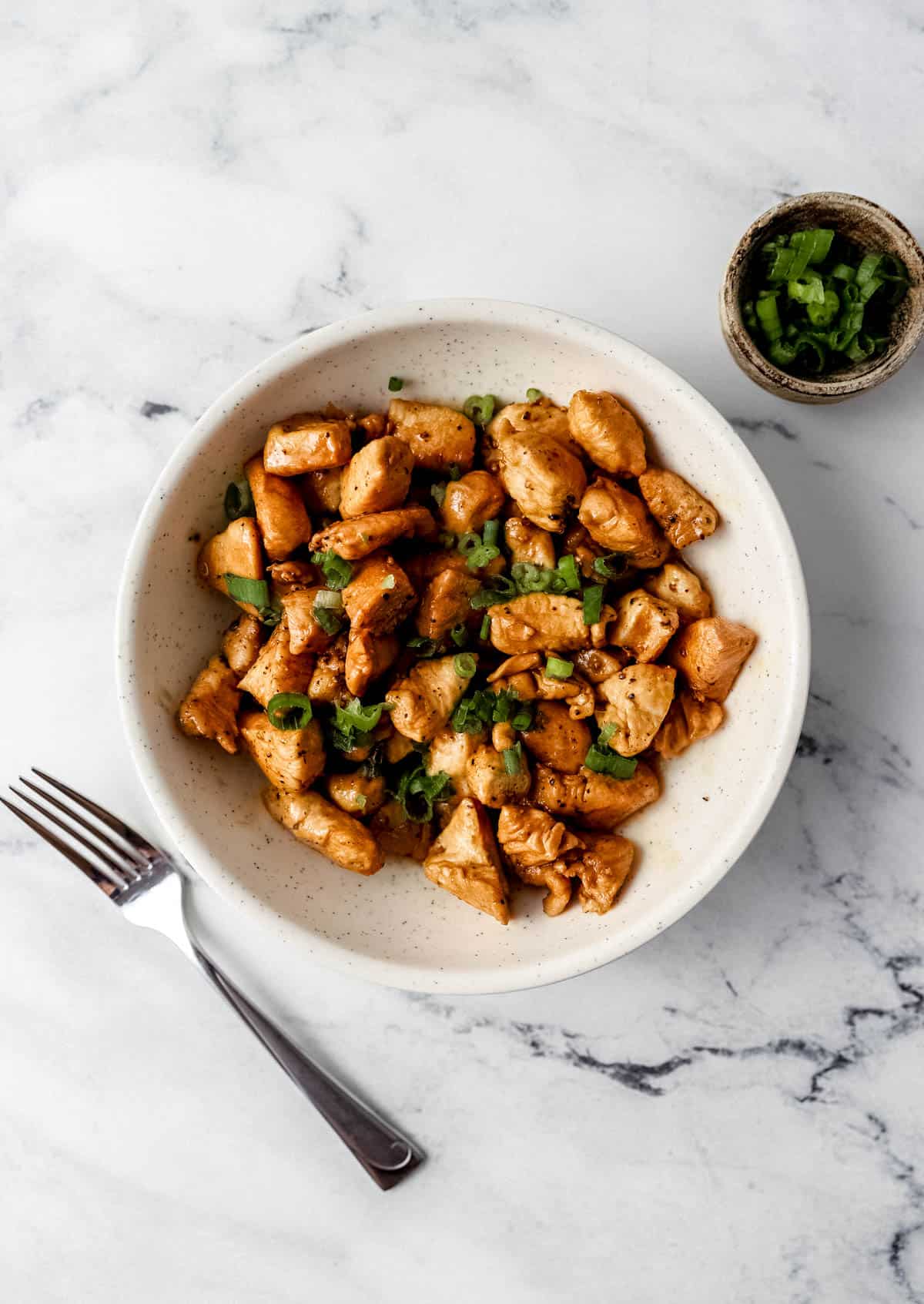
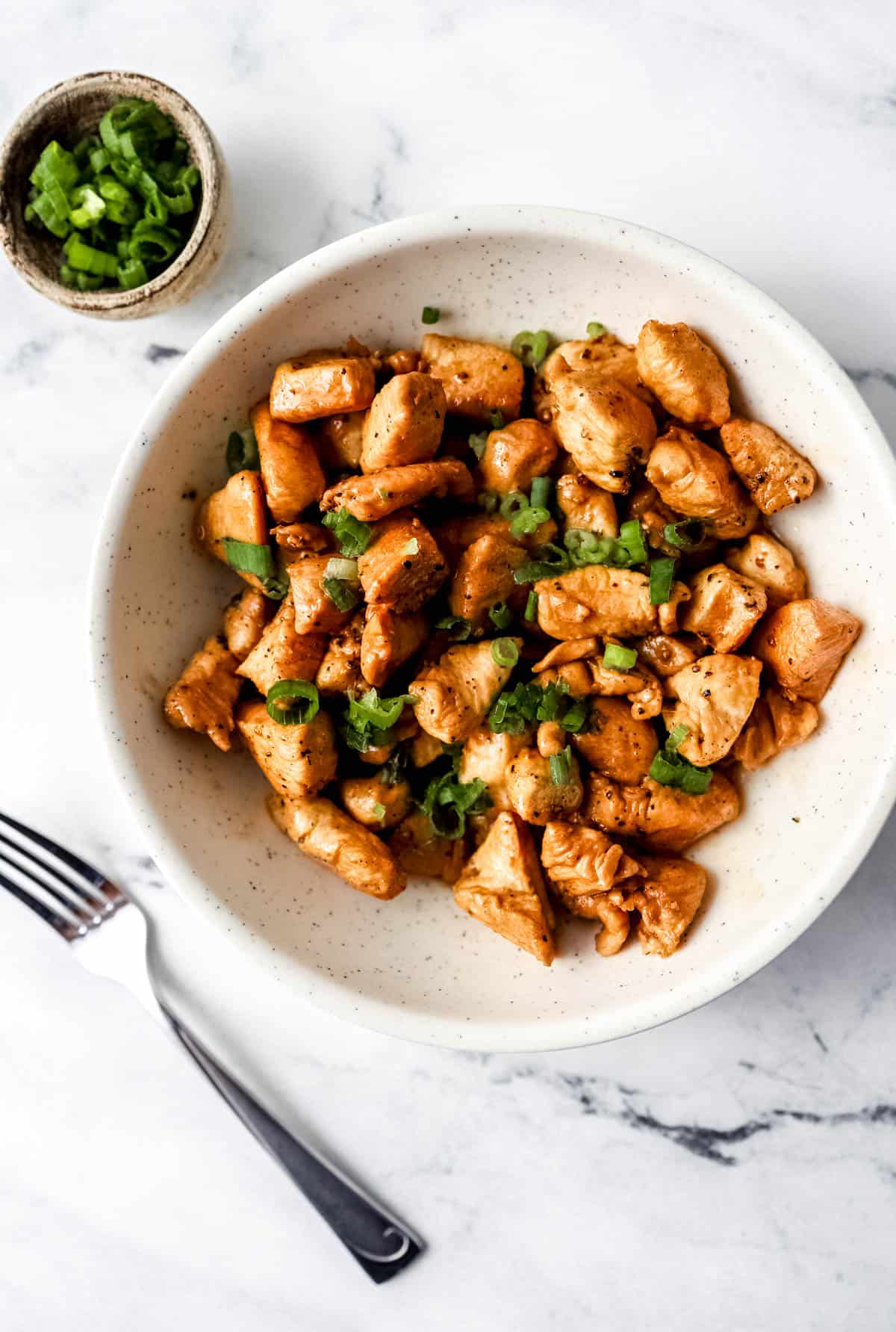
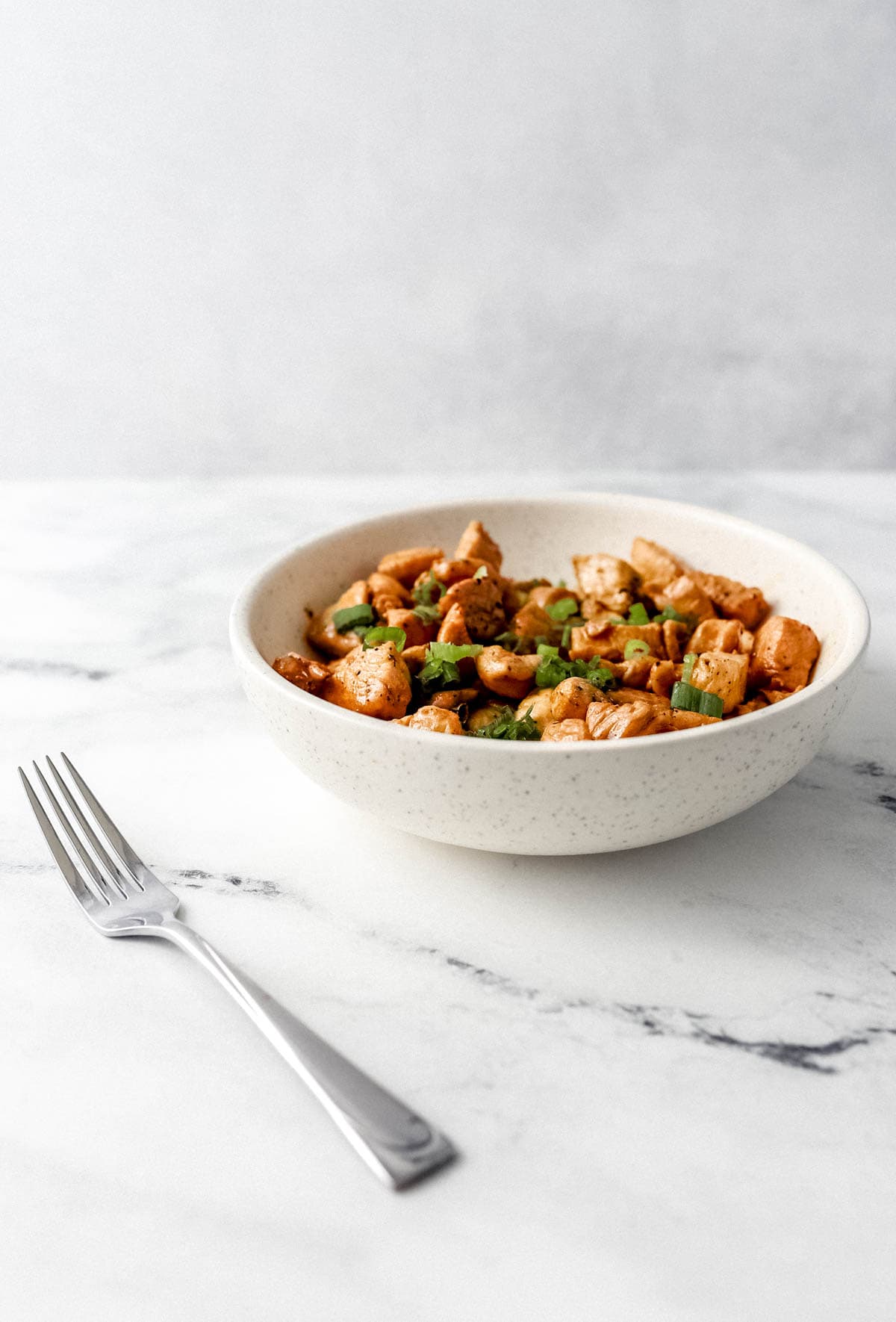
This Hibachi Chicken is tender, juicy, and full of bold restaurant-style flavor with just a few simple ingredients. Quick to make and perfect for busy nights, it's an easy way to bring your favorite hibachi dinner home.
Updated April 2026: I've refreshed this post with new tips, expanded FAQs, and helpful make-ahead instructions based on your questions and feedback. Originally posted March 6, 2020, and updated October 2, 2023.
Want To Save This Recipe?
Watch this quick video tutorial!
There is something almost magical about sitting around one of those big flat-top grills at a hibachi restaurant, watching the chef work the flames, flip the spatulas, and send that perfectly seasoned chicken sizzling onto your plate. It's dinner and a show all in one, and every single time I go, I leave thinking I could make this at home. And y'all, I absolutely can. And now so can you.
I've been making hibachi chicken in my own kitchen for years now, long before the home hibachi trend took off, and I've tested this recipe more times than I can count. My family has had this on our dinner table on weeknights, for birthday celebrations, and every time somebody visits and asks what smells so good coming from my kitchen. The secret isn't some complicated technique or hard-to-find ingredient. It's a hot pan, a handful of pantry staples, and understanding exactly how the flavors build. That's what I'm going to walk you through today.
What makes this version special is how incredibly quick it comes together. We're talking 15 minutes from start to finish, with just 7 simple ingredients. No hibachi grill required. A wok or a large cast iron skillet works beautifully, and I'll tell you exactly how to get that same tender, savory result you'd get at a Japanese steakhouse. Let's get started!
Jump to:
Why You'll Love This Hibachi Chicken Recipe
- Ready in 15 minutes - This is a true weeknight hero. From cutting board to table in under 15 minutes, with minimal cleanup.
- Just 7 simple ingredients - Everything you need is probably already in your pantry: soy sauce, sesame oil, butter, and a few basics. No specialty shopping required.
- Restaurant flavor at home - The combination of high heat, soy sauce, and finishing with butter and sesame oil is exactly how hibachi restaurants achieve that deep, savory, caramelized flavor.
- Endlessly customizable - Use chicken breasts or thighs, add a marinade for more depth, toss it in the air fryer, or pair it with any of my hibachi sides for a full steakhouse dinner at home.
Ingredients You'll Need
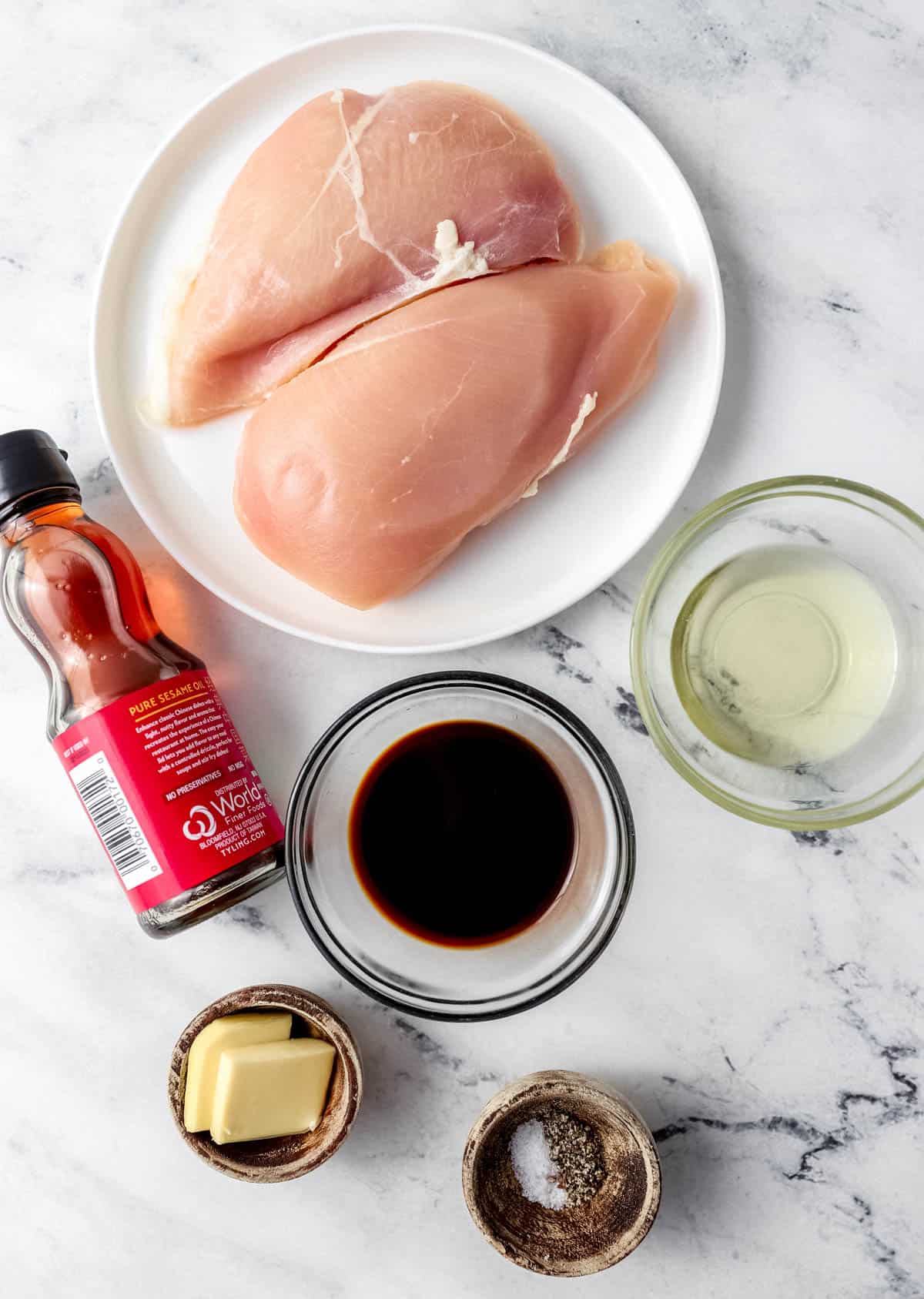
- The chicken: You can use boneless skinless chicken breasts or boneless skinless chicken thighs, both work beautifully in this recipe. Chicken thighs are slightly more forgiving and stay juicier if you accidentally cook them a touch longer, while chicken breasts give you leaner, slightly firmer bites. Cut either one into uniform, bite-sized pieces before cooking so they sear evenly.
- The oil: Choose a neutral oil with a high smoke point. Vegetable oil, avocado oil, or grapeseed oil all work well. Avoid olive oil here, because we're cooking at very high heat, and olive oil will smoke and turn bitter before the chicken even finishes cooking.
- Soy sauce: This is the backbone of the hibachi flavor. It adds saltiness, umami depth, and gives the chicken that beautiful deep caramel color that you see at the restaurant. You can substitute tamari (which is gluten-free) or coconut aminos in a 1:1 swap. Low-sodium soy sauce works too, just taste and adjust.
- Sesame oil: A small amount goes a long way. Toasted sesame oil has a stronger, nuttier flavor, so use it sparingly. Regular sesame oil is slightly lighter and a bit more versatile. Either way, this is what gives hibachi chicken that unmistakable nutty, aromatic finish.
- Butter: Added at the end, the butter coats every piece of chicken and brings all the flavors together with a rich, glossy finish. This is a key step that many homemade versions skip, don't skip it. It's what makes the difference between good hibachi chicken and great hibachi chicken.
👉🏾 See the recipe card below for exact quantities and full instructions.
How to Make Hibachi Chicken
Step 1: Prep and Season the Chicken
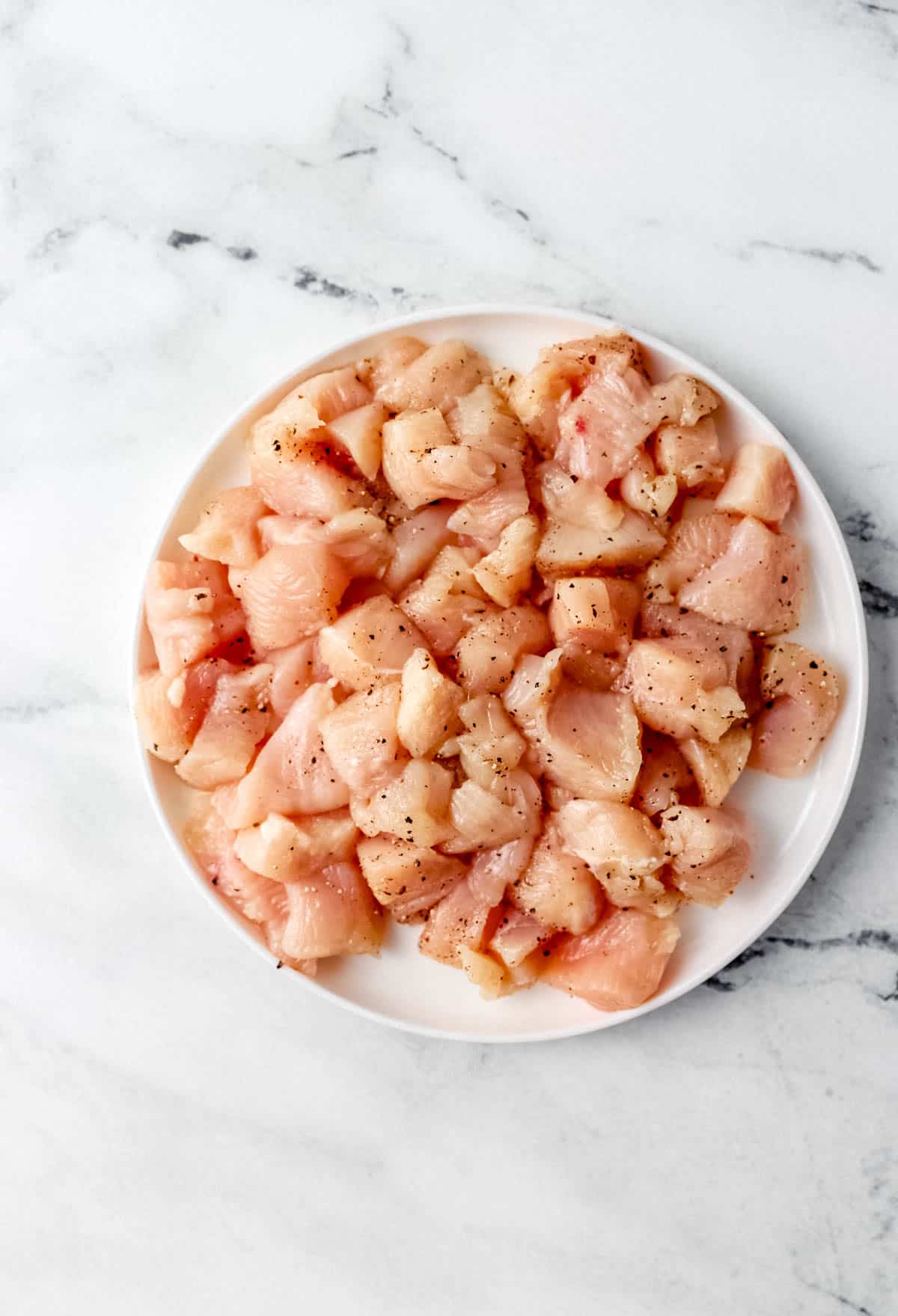
Cut your chicken into bite-sized pieces. Aim for roughly 1-inch cubes so they cook evenly and quickly. Season generously with salt and ground black pepper right on the cutting board. Don't be shy here; proper seasoning at this stage sets the foundation for everything else. If you have freshly ground black pepper, use it. The flavor is noticeably brighter than pre-ground.
Step 2: Get Your Pan Very Hot
This step matters more than most people realize. Add your wok or large skillet to the stovetop over medium-high heat and let it preheat for at least one full minute before adding any oil. A properly preheated pan means the chicken sears on contact instead of steaming, and that sear is what creates the caramelized, restaurant-style flavor. You'll know the pan is ready when the oil shimmers and moves quickly across the surface.
Step 3: Sear the Chicken
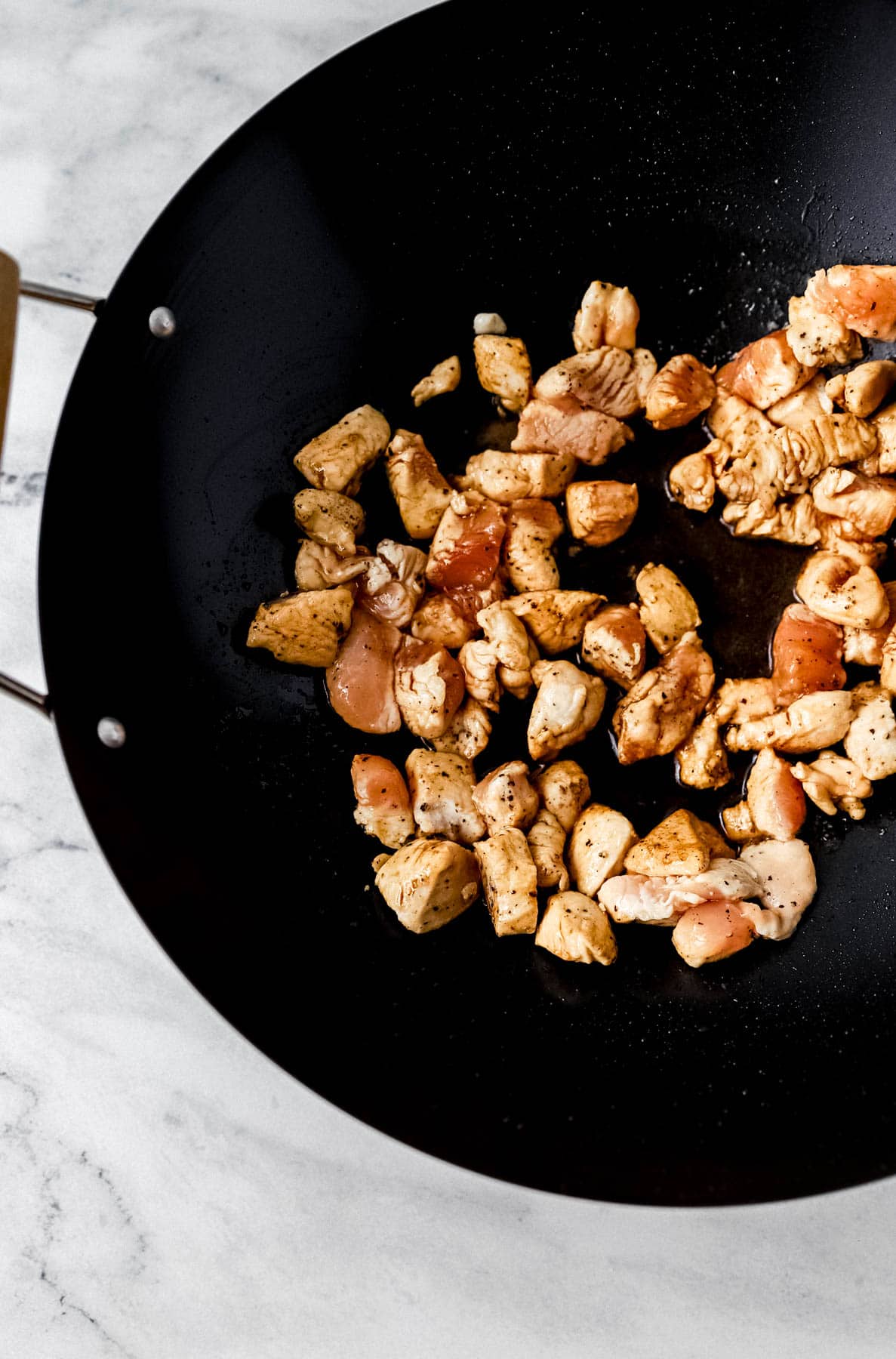
Add the oil to the hot pan, then add the chicken in a single layer. Resist the urge to stir immediately. Let the chicken sit undisturbed for 2 to 3 minutes. This is how you get that golden-brown color on the outside. If the pan is crowded, cook in two batches rather than piling the chicken in. Crowding drops the pan temperature and causes the chicken to steam instead of sear.
Step 4: Add the Soy Sauce and Sesame Oil
Once the chicken has developed some color and is mostly cooked through, pour in the soy sauce and toss to coat. The soy sauce will sizzle dramatically, that's perfect. Add the sesame oil and stir to combine. Allow everything to cook together for another 1 to 2 minutes, letting the sauce reduce slightly and cling to the chicken pieces.
Step 5: Finish with Butter
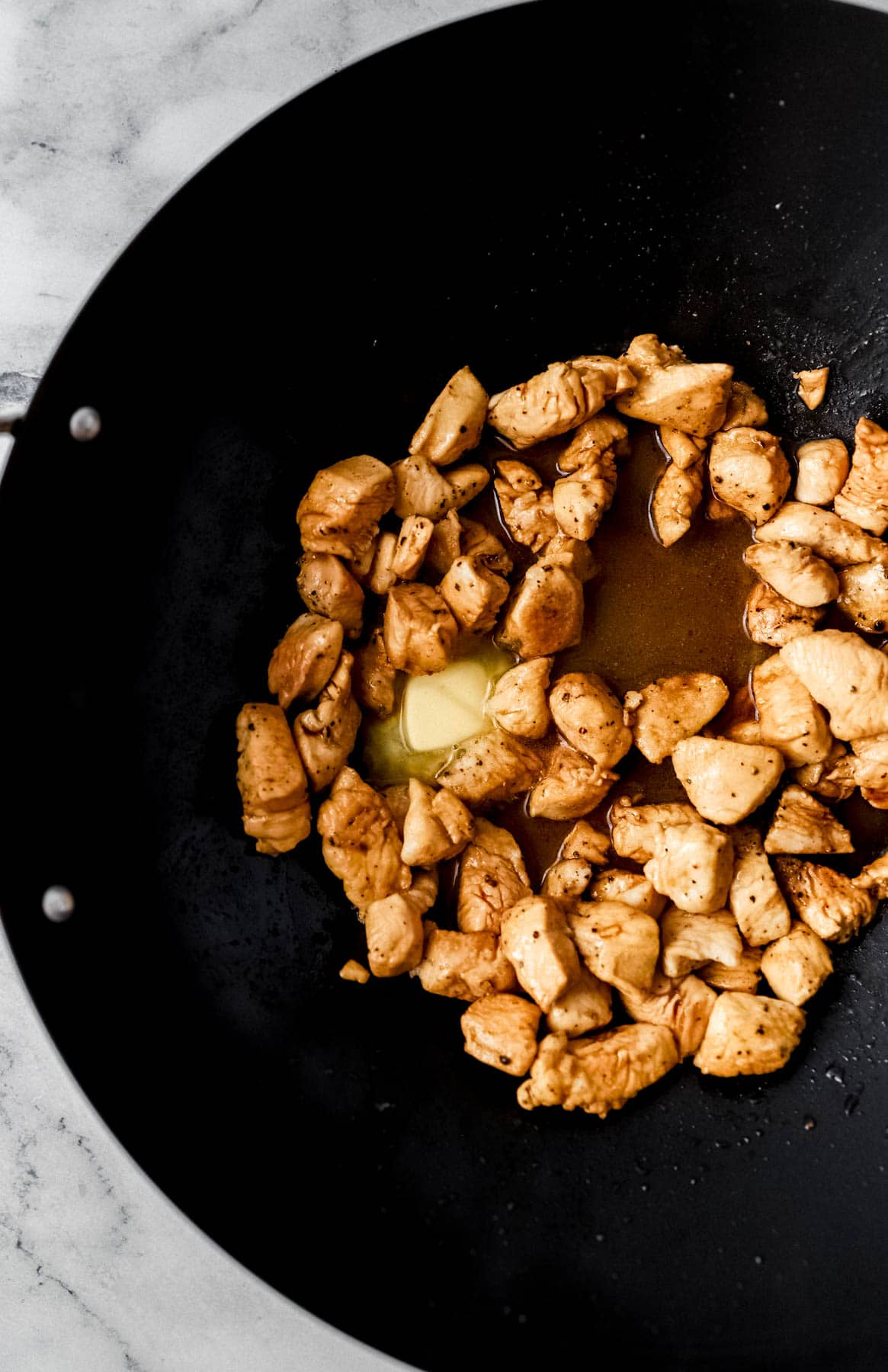
Add the butter to the pan and allow it to melt completely, stirring gently to coat every piece of chicken. The butter will combine with the soy sauce and sesame oil to form a rich, glossy sauce. This is the finishing touch that makes every bite taste like the restaurant version. Serve immediately. Hibachi chicken is best eaten hot and fresh.
LaKita's Expert Tips
- Don't skip preheating the pan. I know it's tempting to rush, but a cold or warm pan leads to steamed chicken, not seared chicken. Give it a full minute at medium-high heat before the oil goes in.
- Cook in batches if needed. One pound of chicken spreads out fine in a large wok, but if you're doubling the recipe, cook in two separate batches. Crowding drops the pan temperature dramatically and you'll lose that golden color.
- Chicken thighs stay juicier. If you're worried about overcooking, use boneless skinless chicken thighs. They have slightly more fat, which means more margin for error and juicier results.
- The marinade trick for deeper flavor. If you have 30 extra minutes, toss your cut chicken pieces in the soy sauce, a splash of rice vinegar, and a teaspoon of minced garlic, then refrigerate while you prep everything else. The marinade gives the chicken more depth and the soy sauce starts breaking down the surface proteins for an even better sear.
- Don't add the butter too early. Butter has a low smoke point. Add it at the very end after the soy sauce and sesame oil have already coated the chicken. This ensures it melts into a sauce rather than burning.
- Use toasted sesame oil as a finishing oil, not a cooking oil. It has an intense flavor that can overwhelm the dish if used in large amounts over high heat. A teaspoon at the end is all you need.
- Fresh-ground black pepper makes a noticeable difference. It's a small thing, but the bright peppery bite of freshly ground black pepper elevates this dish. If you have a pepper grinder, use it.
Variations & Substitutions
- Chicken thighs instead of breasts: Use boneless skinless chicken thighs for a juicier, more forgiving result. The cooking time stays about the same.
- Gluten-free version: Swap the soy sauce 1:1 for tamari or coconut aminos. Both deliver great flavor without the gluten.
- Air fryer hibachi chicken: Toss the seasoned chicken in the oil, soy sauce, and sesame oil, then cook in a single layer in your air fryer at 400°F for 10-12 minutes, shaking halfway. Add the butter during the last 2 minutes and toss. Not the same caramelization as a hot skillet, but an easy hands-off option.
- Hibachi chicken marinade: Want deeper, more complex flavor? Marinate the chicken pieces in soy sauce, a splash of rice vinegar, minced garlic, and ground ginger for 30 minutes (or overnight) in the refrigerator before cooking.
- Spicy hibachi chicken: Add a teaspoon of sriracha or a pinch of crushed red pepper flakes to the pan when you add the soy sauce for a kick of heat.
- Blackstone or flat-top griddle: If you're cooking outdoors on a Blackstone or flat-top grill, this recipe translates perfectly. Heat the griddle to medium-high, cook as directed, and enjoy the extra char you get from the open surface.
- Hibachi chicken and shrimp: Add a handful of large peeled shrimp to the pan during the last 2 minutes of cooking for a classic hibachi combination. Shrimp cooks fast, so add them late.
Make-Ahead & Storage
Make-Ahead
The chicken itself cooks so quickly (under 15 minutes) that it's honestly best made fresh. However, you can do some prep ahead of time: cut the chicken into bite-sized pieces and store it in an airtight container in the refrigerator for up to 24 hours before cooking. If you're making a marinade, you can marinate the chicken overnight in the fridge for even better flavor the next day.
Storage & Reheating
Storage: Allow any leftover hibachi chicken to cool to room temperature before transferring to an airtight container. Store in the refrigerator for up to 3-4 days.
Freezing: Yes, you can freeze hibachi chicken! Place cooled chicken in a freezer-safe container or zip-top bag, removing as much air as possible. Freeze for up to 3 months. Thaw overnight in the refrigerator before reheating.
Reheating: For the best results, reheat in a skillet over medium heat with a tiny splash of soy sauce or a small pat of butter to revive the sauce. This takes about 3-4 minutes and keeps the chicken tender. In a pinch, the microwave works fine. Heat in 30-second intervals and don't overcook or the chicken will dry out. The air fryer at 350°F for 3-4 minutes is also a great option for getting the edges slightly crisped up again.
What to Serve with Hibachi Chicken
- Hibachi fried rice - This is the classic pairing and honestly, the two together taste just like a night at your favorite Japanese steakhouse. Try it with Hibachi Fried Rice.
- Hibachi vegetables - Zucchini, mushrooms, and onions cooked the same high-heat way, seasoned with butter and soy sauce. A must-have for the full spread. See my Hibachi Vegetables recipe.
- Yum yum sauce - The creamy, tangy dipping sauce that takes hibachi chicken from good to unforgettable. My homemade version is so easy and tastes exactly like the restaurant's. Get the recipe: Yum Yum Sauce.
- Hibachi ginger dressing - If you want to add a salad to your hibachi dinner at home, drizzle this over simple chopped romaine and carrots for that Japanese steakhouse house salad experience. Hibachi Ginger Dressing.
- Steamed jasmine rice - A simple bowl of fluffy jasmine rice is all you need to round out a weeknight plate. Or swap in brown rice for a heartier, nuttier option.
Frequently Asked Questions
Hibachi chicken is made with chicken (breast or thighs), neutral cooking oil, soy sauce, sesame oil, and butter. The chicken is cooked at very high heat, which gives it a savory, slightly caramelized exterior. It's seasoned simply with salt and black pepper, and the rich umami flavor comes from the combination of soy sauce and toasted sesame oil, finished with butter.
Hibachi chicken is seasoned simply. Soy sauce, sesame oil, butter, salt, and pepper. The flavor is savory and deeply umami with no sweetness. Teriyaki chicken uses a sweet glaze made from soy sauce, mirin (or sugar), and sometimes sake or honey, giving it a shiny, sweet-savory coating. Both are delicious, but hibachi chicken has that clean, savory depth that tastes like what you'd get at a Japanese steakhouse.
At a minimum, season with salt and ground black pepper before cooking, then add soy sauce and sesame oil in the pan. For a fuller hibachi flavor profile, you can also add a pinch of garlic powder, a small amount of minced fresh garlic, or a drizzle of ginger oil. The restaurant-style flavor comes as much from the high-heat cooking method as it does from the seasoning, that caramelization on the outside of each piece is key.
Yes, and I highly recommend it if you have the time. A simple marinade of soy sauce, a splash of rice vinegar, a teaspoon of minced garlic, and a pinch of ground ginger will add depth and complexity. Marinate the chicken pieces in the refrigerator for 30 minutes up to overnight. The soy sauce starts to tenderize the surface proteins, which leads to a better sear and more flavorful results. If you marinate, pat the chicken pieces dry before cooking to ensure a good sear.
Absolutely, and I often do. Boneless skinless chicken thighs have slightly more fat than breasts, which makes them more forgiving and juicier. They're also a bit more flavorful. The cooking time is roughly the same. Just make sure the internal temperature reaches 165°F before serving.
A large skillet works perfectly. Cast iron, stainless steel, or a heavy-bottomed nonstick pan all work well. The key is size: you need enough surface area to spread the chicken in a single layer so it sears rather than steams. A 12-inch skillet is ideal. Avoid smaller pans, if the chicken is piled on top of itself, you'll get steamed chicken instead of that seared, golden-brown result.
Toss the chicken pieces in the oil, soy sauce, and sesame oil, then arrange in a single layer in your air fryer basket. Cook at 400°F for 10-12 minutes, shaking the basket halfway through. Add the butter during the last 2 minutes and toss to coat. The results won't have the same caramelized sear as a stovetop method, but it's a great hands-off option on busy nights.
The two most common sauces are yum yum sauce (also called white sauce or shrimp sauce). A creamy, slightly sweet, mayonnaise-based dipping sauce and ginger sauce, a light, tangy sauce made with fresh ginger, soy sauce, vinegar, and sometimes onion. Some restaurants also offer mustard sauce or teriyaki sauce. I have a homemade yum yum sauce recipe on the blog that tastes exactly like the restaurant version, see Yum Yum Sauce.
Yes! Simply substitute the soy sauce with tamari or coconut aminos in a 1:1 ratio. Both are gluten-free alternatives that deliver similar flavor. Tamari is closer in taste to soy sauce, while coconut aminos is slightly sweeter and lower in sodium. Everything else in this recipe is naturally gluten-free.
Stored in an airtight container, hibachi chicken keeps well in the refrigerator for 3-4 days. Reheat in a skillet over medium heat with a small splash of soy sauce or a pat of butter to revive the sauce. It also freezes well for up to 3 months. Just thaw overnight in the refrigerator before reheating.
📖 Recipe
Hibachi Chicken Recipe
Video
Equipment
- 1 Wok or Large Skillet
Ingredients
- 1 pound boneless chicken breast
- ½ teaspoon salt
- ½ teaspoon ground black pepper
- 2 tablespoons vegetable oil
- 2 tablespoons soy sauce
- 1 teaspoon toasted sesame oil
- 1 tablespoon butter
Instructions
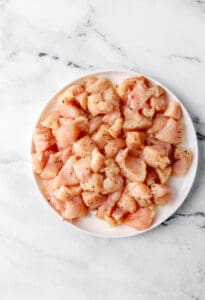
- Begin the recipe by preparing the 1 pound chicken using a long sharp knife. Cut the chicken into bite-size pieces or large chunks, according to your preference.
- Evenly season the chicken with ½ teaspoon salt and ½ teaspoon ground black pepper. Add a wok or large skillet to the stovetop over medium-high heat. Allow it to heat for about a minute before adding the 2 tablespoons vegetable oil.
- Add the prepared chicken pieces to the hot skillet. Allow the chicken to cook for 2 to 3 minutes before tossing in the wok or skillet.
- Pour in the 2 tablespoons soy sauce and toss to combine with the chicken. Add the 1 teaspoon toasted sesame oil and stir to combine. Allow the chicken to cook for another 1 to 2 minutes.
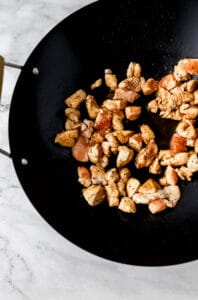
- Add in the 1 tablespoon butter and allow it to completely melt. Give it a good stir to combine the butter with the chicken to thoroughly coat the chicken.
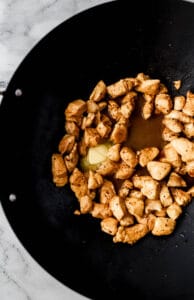
- Carefully remove the hot chicken from the wok or skillet and serve warm with Fried Rice, Jasmine Rice (white rice), and Yum-Yum Sauce. Enjoy!
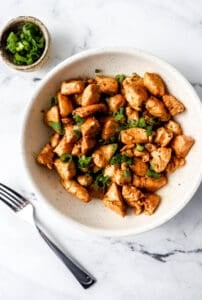
- If you have any leftover chicken, allow it to cool to room temperature before placing it in an airtight container. Store it in the refrigerator for up to 3-4 days.
Did You Make This Recipe?
If you give this hibachi chicken recipe a try, I'd love to know what you think! Leave a comment below and let me know how it turned out or if you have any questions, drop them in the comments and I'll help you out. If you loved it, a five-star rating means the world to me and helps other home cooks find this recipe. Share a photo on Instagram and tag @SimplyLaKita so I can see your beautiful hibachi dinner, or save it on Pinterest for later when the hibachi craving hits again!
Lori | The Kitchen Whisperer says
Wow what an awesome recipe! This was positively scrumptious and so easy!
Ramona says
I love any recipe with chicken in it and this one did definitely not disappoint! Will be pairing this with some steamed veggies!
LaKita says
Thank you Ramona, I agree, love a good chicken recipe 🙂
hayle says
I'm yet to try Hibachi chicken, very easy recipe with minimal ingredients. Can't wait to make it soon.
LaKita says
Thank you, hope you get a chance to try it!
Cathleen says
I am always looking for more chicken recipes to make, and this one looks perfect! Thank you so much for sharing this recipe, I am going to be making it next weekend for sure 🙂
LaKita says
Thank you Cathleen, hope you enjoy it!
Mikayla says
So very simple and easy to make, great flavor that goes well with rice, but it also is good stuffed in a pita pocket with some fresh lettuce.
LaKita says
Thank you Mikayla, adding to a pita pocket sounds delicious!
Noelle says
Oh my gosh... delicious! This hibachi chicken is everything! Love the step by step photos and tips. Thank you for being so detailed with the recipe!
LaKita says
Thank you for much Noelle!!!
Lauren Michael Harris says
This hibachi chicken came out so flavorful, moist and tender. It was like fancy restaurant quality meat - so impressed I can now make it at home!
LaKita says
Thank you Lauren, happy to hear the chicken turned out well for you!
veenaazmanov says
Sounds like a super easy and delicious recipe any day. Definitely try it out on a weekend.
LaKita says
Thank you, hope you get a chance to try it soon 🙂
Heather says
I love hibachi chicken. It is always so fun to watch them cook it in front of you at the restaurants. I love how simple and easy hibachi chicken is to make.
LaKita says
Thank you Heather, I agree it is so much fun to watch them cook 🙂
Colleen says
I love going to hibachi restaurants and this chicken looks just as good! I can't wait to make it. Thanks for sharing!
LaKita says
Thank you so much Colleen!