





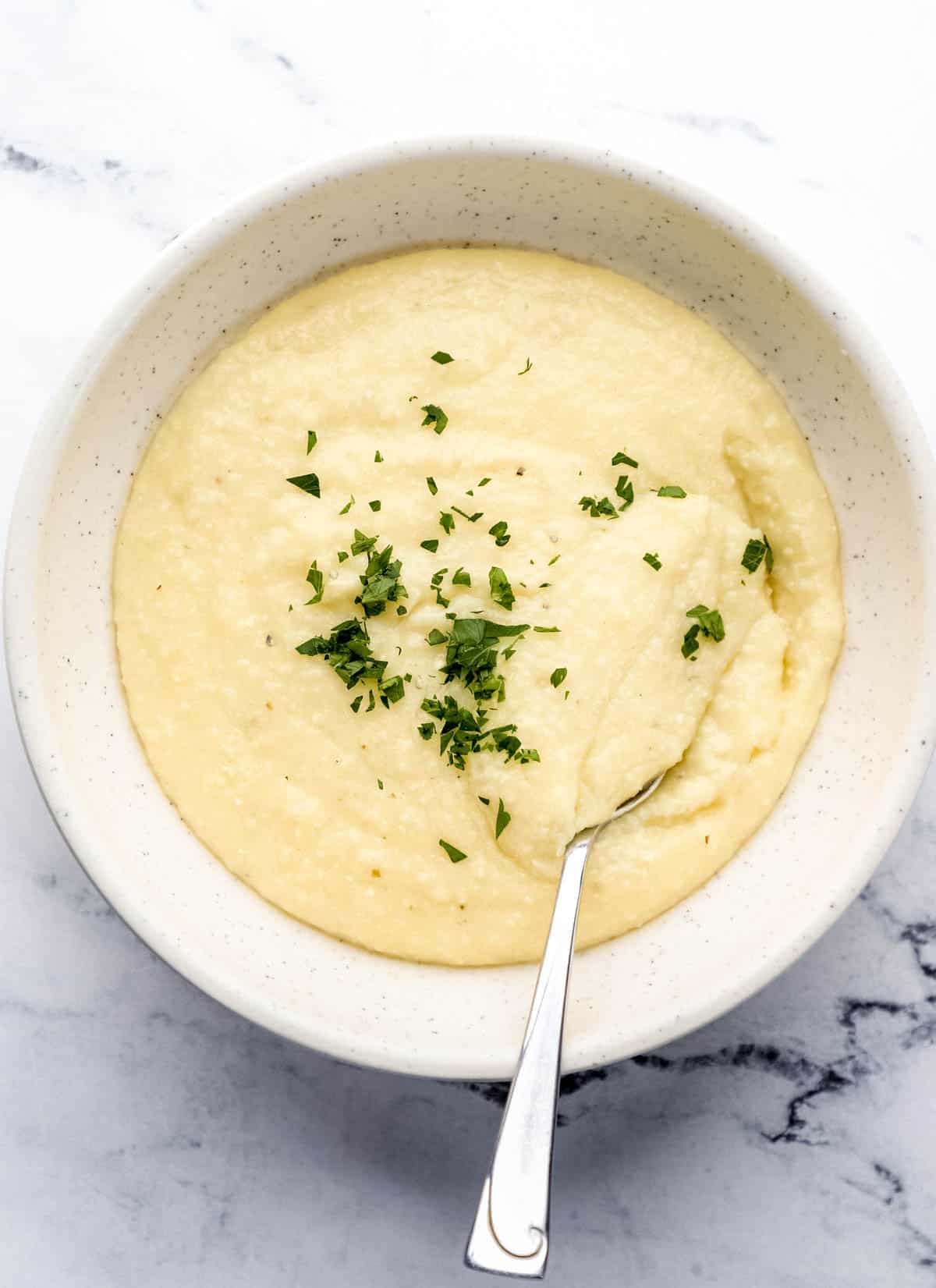
Make this simple Creamy Southern Cheese Grits Recipe with Heavy Cream! These grits are rich, cheesy, and incredibly delicious. Use chicken broth instead of water to add more flavor, creating the ultimate main dish or side dish.
Updated August 11, 2026: I've refreshed this post with new tips, expanded FAQs, and helpful make-ahead instructions based on your questions and feedback. Same delicious recipe, even more helpful! Originally posted on February 14, 2024 and updated November 17, 2025.
Want To Save This Recipe?
Watch this quick video tutorial!
Growing up in Florida, grits showed up on our breakfast table more mornings than not. Usually next to a plate of biscuits, crispy bacon, and eggs, and always made with salt instead of sugar. That's the way I was raised on them, and that's the way I still make them. My mama never measured a thing, but she did have one rule: don't walk away from the pot.
I've been cooking grits several times a week for most of my life, and I've made every mistake there is to make with them, lumpy, watery, bland, scorched on the bottom. What finally got me to consistently creamy grits was two swaps: cooking them in chicken broth instead of water, and finishing with a splash of heavy cream right at the end. Those two changes turn a plain pot of grits into something that tastes like it came out of a restaurant kitchen.
This recipe comes together in about 20 minutes with one saucepan and a whisk, and it works for breakfast, brunch, or as a dinner side. Let's get started!
Jump to:
- Watch this quick video tutorial!
- Why You'll Love This Southern Cheese Grits Recipe
- Type of Grits
- Ingredients You'll Need
- How to Make Southern Cheese Grits
- LaKita's Expert Tips
- Variations & Substitutions
- Make-Ahead & Storage
- What to Serve with Southern Cheese Grits
- Frequently Asked Questions
- 📖 Recipe
- Did You Make This Recipe?
Why You'll Love This Southern Cheese Grits Recipe
- Ready in 20 minutes - One pot, one whisk, and you're done. This is a weeknight-friendly recipe that still tastes special enough for a holiday brunch table.
- Savory, not sweet - Cooking the grits in chicken broth builds flavor into every grain from the first minute, so you're not trying to season your way out of blandness at the end.
- Genuinely creamy - A splash of heavy cream stirred in at the finish gives you that silky, spoon-coating texture that plain water-cooked grits never quite reach.
- Works for any meal - Serve them under a fried egg at breakfast, under shrimp at dinner, or alongside fried chicken and collards on a Sunday.
Type of Grits
There are a few different types of grits, they can even come in yellow corn grits or white corn grits.
- Regular or Quick Cooking: Quick grits are finely ground and are ready faster in 5 to 10 minutes. Regular grits have a bigger medium-sized ground and can be ready in 10 to 15 minutes. I prefer to use either of these, but if you're short on time choose quick grits, also sometimes labeled as quick cooking grits. I prefer to use either of these.
- Traditional Stone-Ground Grits: Whole dried corn kernels that are coarsely ground using old-fashioned methods. They're usually less processed and take longer to cook. These work beautifully in this recipe if you have extra time for slow-cooked Southern comfort food.
- Instant Grits: These grits usually come in single-serving packets and have a very fine texture. They may be precooked and dehydrated so by adding hot water, they're ready in minutes and cook the fastest.
- Hominy Grits: Dried white or yellow corn kernels from which the hull and germ have been removed. Coarsely ground and can be found in shelf-stable packaging or a can.
Ingredients You'll Need
Here's everything you'll need to make this recipe. The list is short and simple, just like most of my favorite Southern recipes, and you'll find all of it at any grocery store.
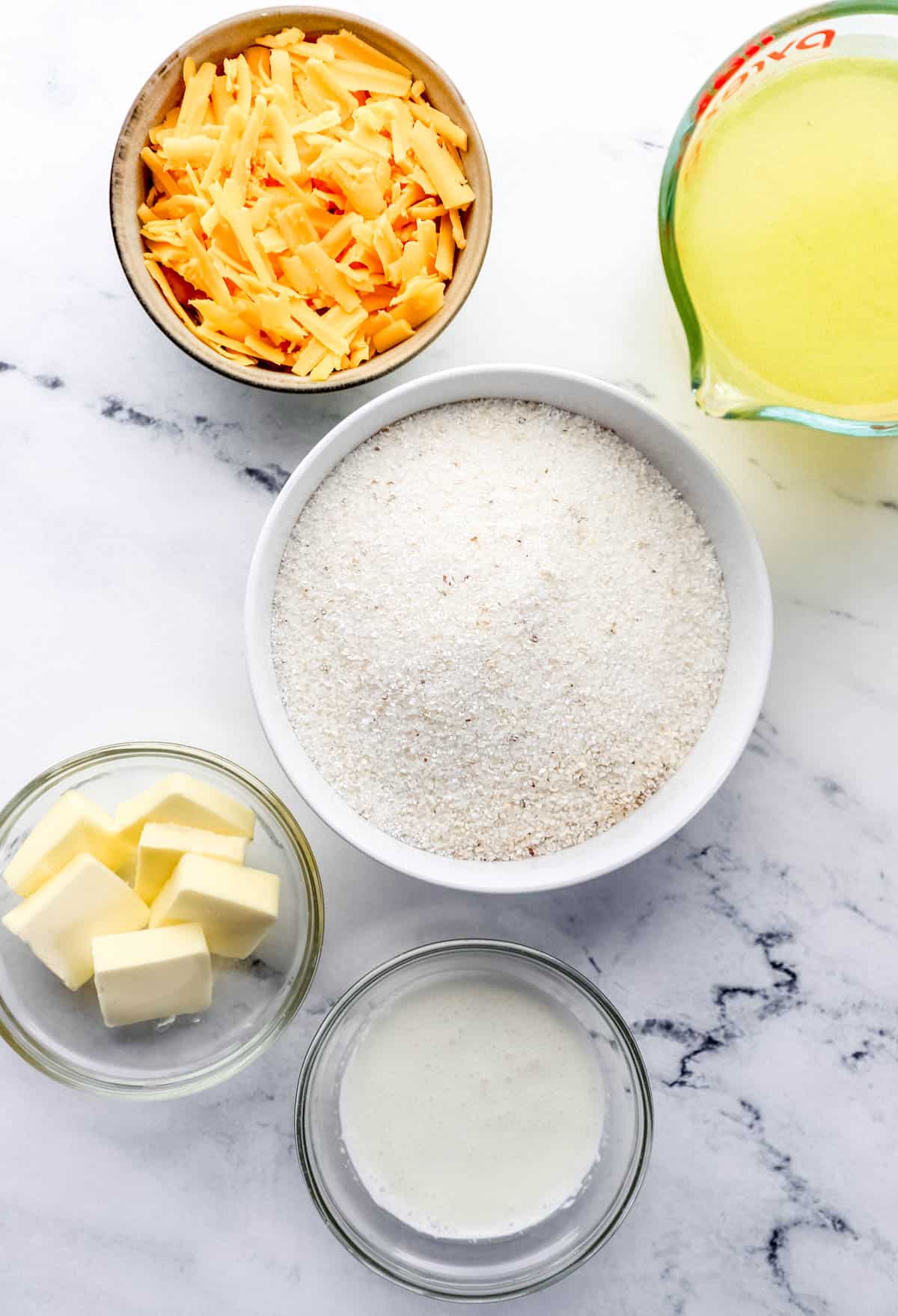
- Grits - The star. I use quick cooking grits, which are finely ground and cook in about 5 to 10 minutes. Regular grits have a medium grind and take 10 to 15 minutes. Stone-ground grits are the least processed and most traditional, with a deeper corn flavor, but they need 30 to 45 minutes and a little more liquid. Instant grits come precooked in single-serve packets, I'd skip those here, since they turn soft and pasty rather than creamy.
- Chicken broth - This is the swap that changes everything. Broth builds savory depth into the grits as they cook, which means you need far less salt at the end. Chicken stock works identically. Vegetable broth keeps it vegetarian. Water works in a pinch, but you'll need to season noticeably harder.
- Butter - Stirred in after the grits have thickened, butter smooths the texture and rounds out the corn flavor. Salted or unsalted both work. Just taste before adding more salt if you're using salted.
- Sharp cheddar cheese - Sharp cheddar gives you tang that stands up to the richness. Shred it yourself from a block if you can, pre-shredded cheese is coated with anti-caking starch that can make grits gritty instead of smooth.
- Heavy cream - Added at the very end, off the boil, for that final silky finish. This is a small amount doing a lot of work.
- Salt and ground white pepper - White pepper gives a clean, bright heat without the black specks. Black pepper is fine if that's what you have.
👉🏾 See the recipe card below for exact quantities and full instructions.
How to Make Southern Cheese Grits
Here's a quick overview of the process. Full step-by-step instructions are in the recipe card below.
Step 1: Start the grits in cold broth
Add the grits, chicken broth, salt, and pepper to your saucepan together and bring it all up to a boil at once. Starting cold and whisking as it heats is the easiest way to avoid lumps. You're never dumping dry grits into hot liquid, which is where most lumping happens. Use a heavy-bottomed pan, thin pans scorch grits at the bottom before the top is cooked.
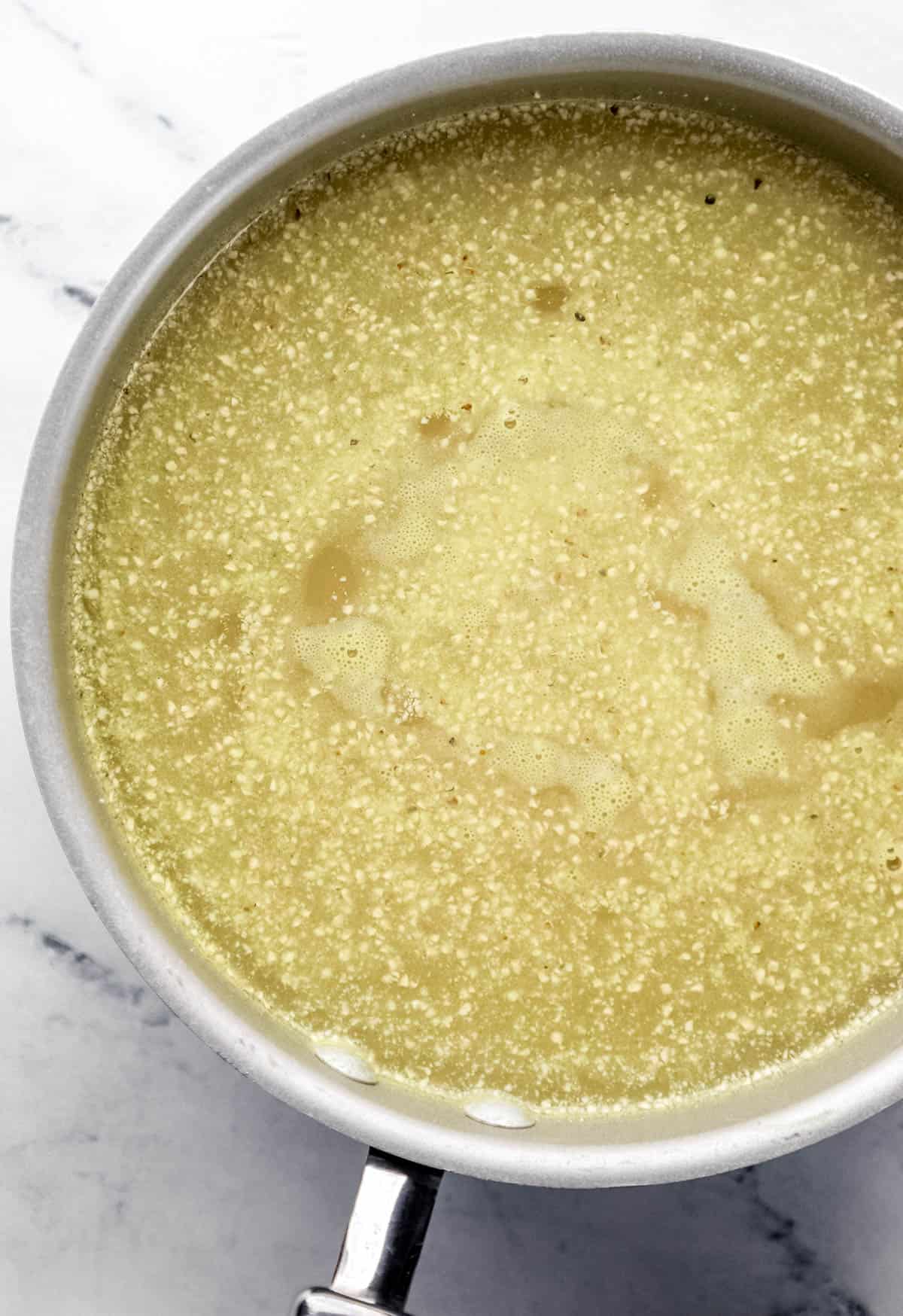
Step 2: Cover and simmer low
Once it reaches a boil, cover the pan, drop the heat to low, and let it go. This is where patience pays. Grits need gentle, sustained heat to hydrate fully. Rushing them on high heat gives you a pot that looks thick but tastes chalky. Even quick grits want a full 10 minutes.
Step 3: Whisk, don't stir
Pull the lid off and whisk frequently as they thicken. A whisk breaks up any clumps that have started to form, a spoon just pushes them around. Scrape the bottom and the corners of the pan while you're at it.
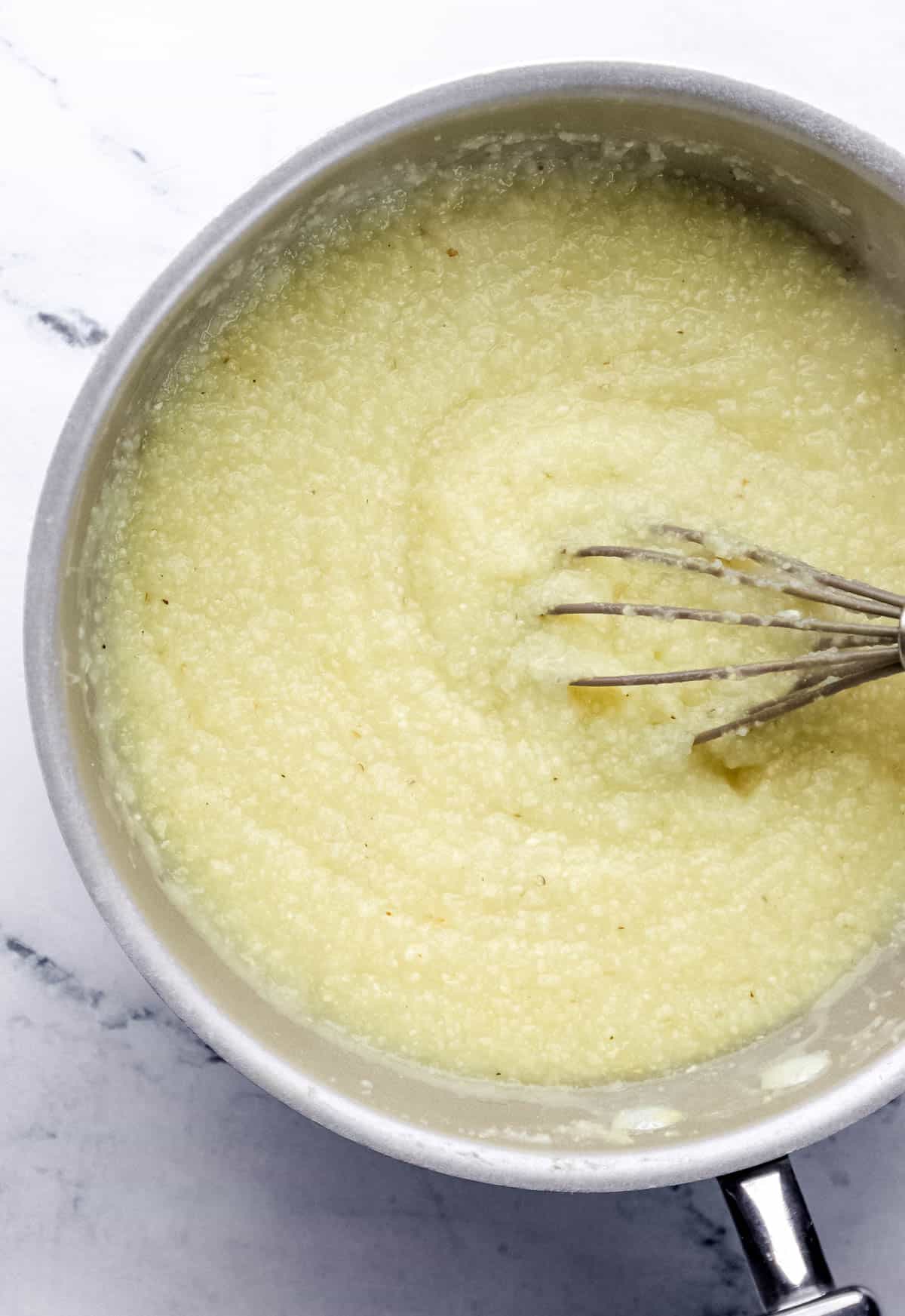
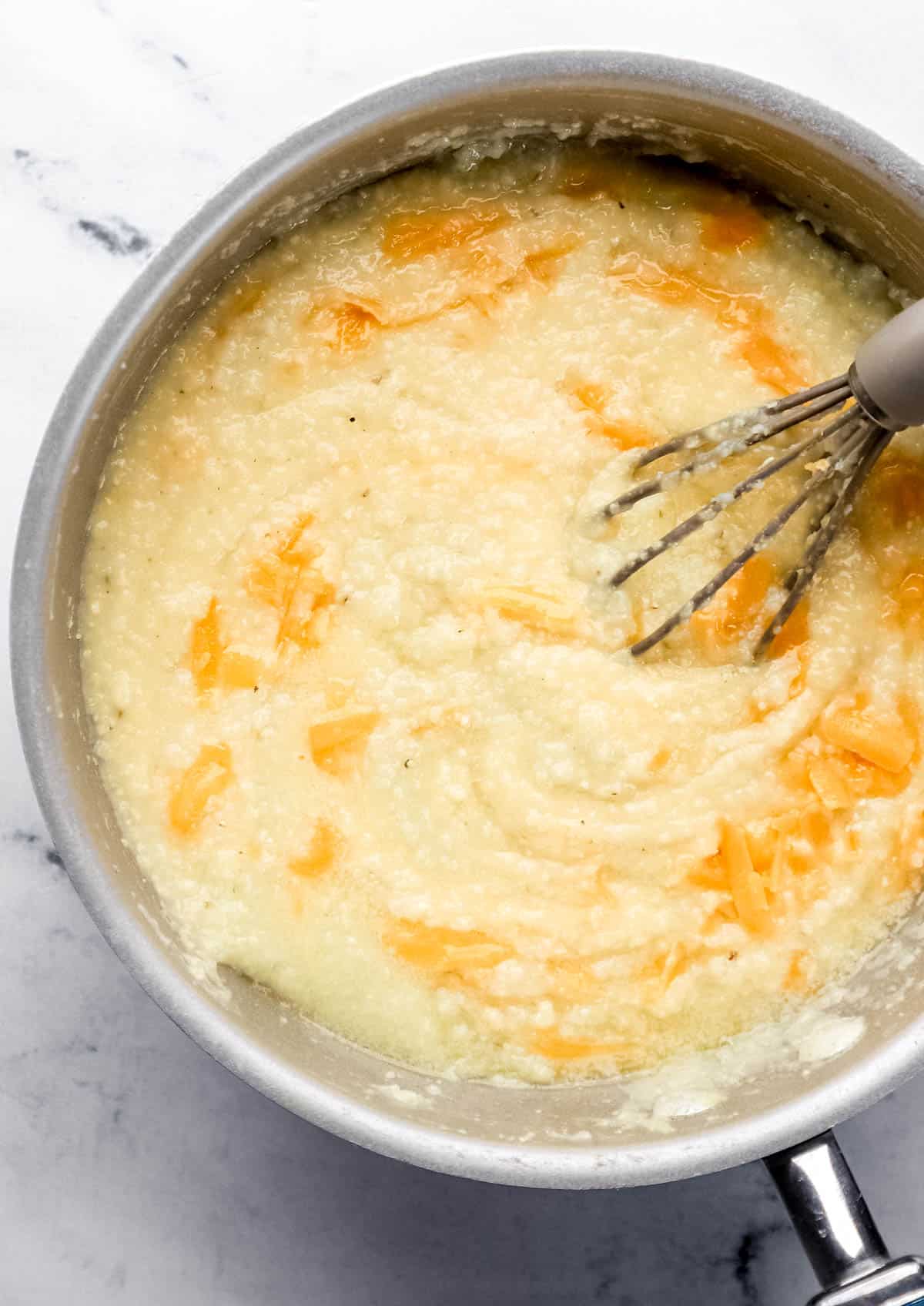
Step 4: Melt in the butter and cheese
Take the pan off the heat before adding the cheese. Cheese added over direct heat can break and turn stringy or greasy. Off heat, the residual warmth melts it into the grits smoothly. Add it in two batches, whisking each one in fully before the next.
Step 5: Finish with heavy cream
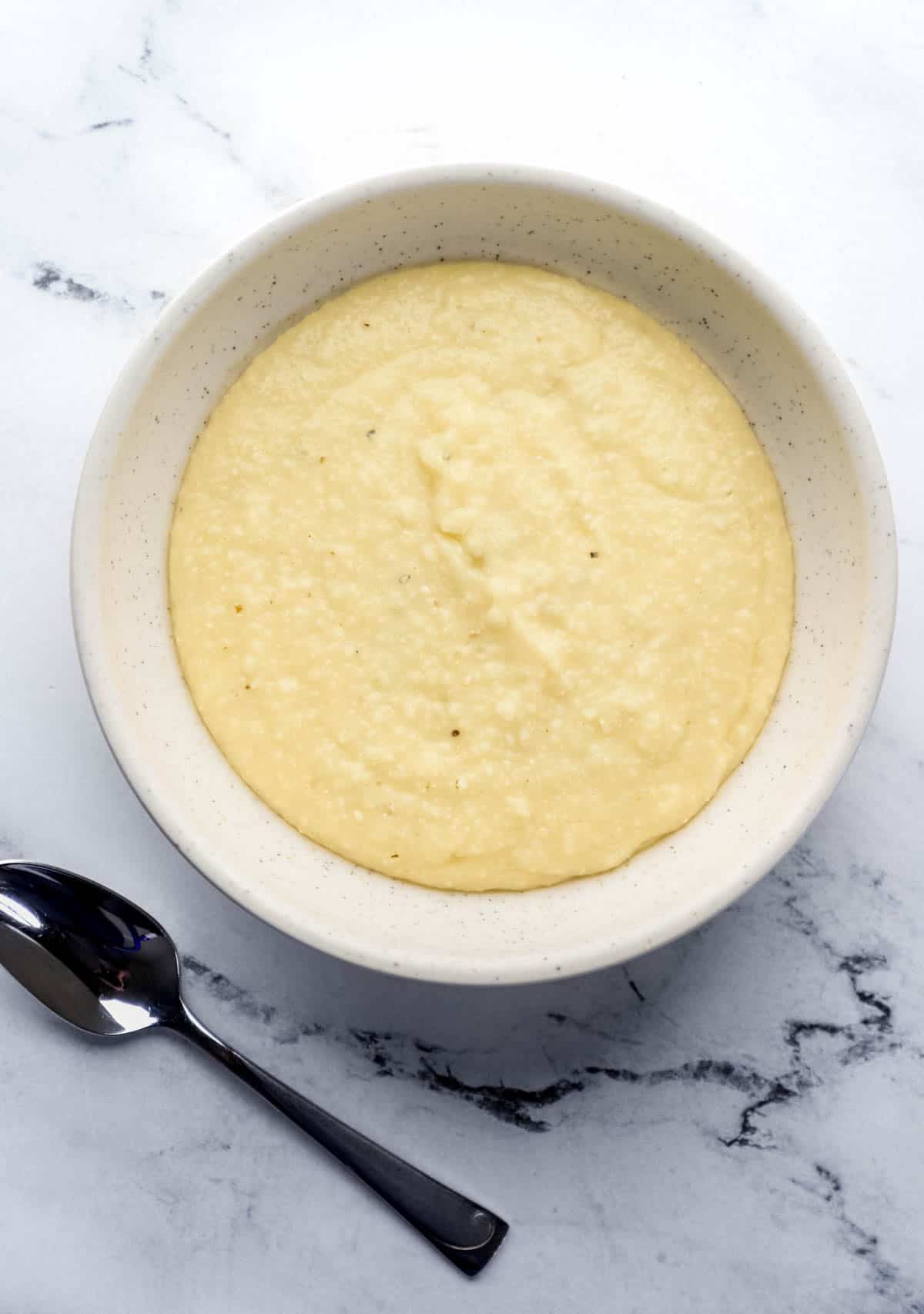
Stir in the heavy cream last and let it sit a couple of minutes to come together. The grits will look slightly looser than you want right after. They tighten as they sit, so aim for just barely pourable rather than stiff.
LaKita's Expert Tips
Here are my best tips for making this recipe turn out perfectly every time.
- Your ratio is 1 part grits to 3 parts liquid for quick and regular grits. Write it on the inside of your cabinet door and you'll never need a recipe again.
- If your grits are too thin, keep them over low heat uncovered and whisk for another few minutes, evaporation will tighten them. Don't add more dry grits, you'll get raw, gritty bits that never soften.
- If your grits are too thick, whisk in warm broth, milk, or cream a splash at a time. Always use warm liquid, cold liquid seizes the starch and makes them gluey.
- Lumps mean the heat was too high or the whisking too infrequent. If you catch them early, whisk hard against the side of the pan. If they've set, an immersion blender for five seconds will smooth them out without turning the grits to paste.
- Taste twice - once before the cheese, once after. Cheese brings salt with it, so seasoning before you add it will overshoot. Plain grits are genuinely bland, and most people under-salt them by half.
- Grits keep thickening off the heat, so pull them one notch looser than your ideal texture. By the time they hit the table they'll be exactly right.
- Don't cover them while they rest. Trapped steam condenses back in and makes the top layer watery.
Variations & Substitutions
This recipe is flexible, here are some easy ways to make it your own.
- Change the cheese. Smoked gouda gives you a subtle smokiness that's excellent under shrimp. Pepper jack adds heat. Monterey Jack keeps things mild and extra melty. Sharp cheddar plus a handful of Parmesan is my favorite combination for depth.
- Make it dairy-free. Use vegetable broth, a plant-based butter, unsweetened oat or cashew milk in place of the cream, and a dairy-free cheddar-style shred. The texture stays good, the flavor is milder.
- Skip the cream. Half-and-half or whole milk both work in the same amount. If you go with milk, add an extra tablespoon of butter to make up the richness.
- Add heat and aromatics. A quarter teaspoon of garlic powder and onion powder stirred in with the cheese is a small change that makes a real difference. A dash of hot sauce or cayenne wakes the whole pot up.
- Turn them into baked cheese grits. Pour the finished grits into a buttered baking dish, top with more shredded cheddar, and bake at 350°F until bubbling and lightly browned on top. This is the version to make when you're feeding a holiday crowd.
- Scale for a crowd. This recipe doubles cleanly. Use a larger, heavy-bottomed pot and expect a few extra minutes of cook time.
Make-Ahead & Storage
Make-Ahead
Grits are genuinely best served fresh, and I'd rather you make a small pot twice than a big pot once. That said, if you're cooking for a morning crowd, you have two options. You can hold finished grits warm in a slow cooker on low, whisking in a splash of warm broth whenever they tighten up. Or you can undercook them by about two minutes, pull them off the heat, and finish the cooking with the butter, cheese, and cream right before serving, that's the method I trust more.
Storage & Reheating
Storage. Let leftover grits cool to room temperature, then store them in an airtight container in the refrigerator for 2 to 3 days. They'll firm up considerably as they chill, that's normal and it reverses with heat. I don't recommend freezing cooked cheese grits. The texture comes back grainy and separated no matter how carefully you thaw them.
Reheating. Warm leftover grits in a saucepan over low heat, adding 2 to 3 tablespoons of warm chicken broth, milk, or cream and whisking as they loosen. Add liquid gradually until you hit the consistency you want. For a single serving, the microwave works fine in 30-second intervals, stir between each one and add a splash of liquid partway through.
What to Serve with Southern Cheese Grits
Here are some of my favorite ways to serve this dish.
- A full country breakfast - Grits alongside biscuits, crispy bacon, and scrambled eggs. Try them with Cream of Tartar Biscuits.
- Under a fried egg - A runny yolk broken into hot cheese grits with a few dashes of hot sauce is one of the best things you can eat before noon.
- Smothered in gravy - Spoon Old Fashioned Hamburger Gravy right over the top for a hearty, old-school breakfast plate.
- As a shrimp and grits base - These are the grits I use under Easy Week Night Shrimp and Grits.
- On a Sunday dinner plate - Serve alongside Southern Fried Chicken and Southern Collard Greens with Ham Hocks, or with Salmon Patties for something lighter.

Frequently Asked Questions
Lumps almost always come from one of two things: adding dry grits to already-boiling liquid, or not whisking often enough while they cook. Starting the grits in cold broth and bringing everything up to a boil together prevents most of it. If lumps do form, whisk hard against the side of the pan while they're still loose. Once the grits have set, they're much harder to smooth out. A whisk works far better than a spoon here.
For thin grits, leave the pan uncovered over low heat and whisk for a few more minutes, the excess liquid will cook off and they'll tighten naturally. Resist adding more dry grits, since those won't have time to hydrate and you'll end up with gritty bits. For grits that have gone too thick, whisk in warm broth, milk, or cream a little at a time until they loosen. Always warm the liquid first; cold liquid hitting hot starch makes them gluey.
I use 1 part grits to 3 parts liquid for quick and regular grits, which is what this recipe is built on. Stone-ground grits absorb more and generally need extra liquid plus a much longer cook. If you're ever cooking without a recipe, start at 1:3, keep warm broth nearby, and adjust from there, it's much easier to thin grits than to thicken them.
Start by cooking them in chicken broth instead of water, which does most of the work for you. Then salt in two stages: a little at the start with the liquid, and the rest after the cheese has melted in. Cheese brings its own salt, so seasoning fully before you add it will overshoot. Beyond salt and pepper, a quarter teaspoon each of garlic powder and onion powder stirred in at the end is the easiest upgrade there is. Taste before you serve, plain grits need more salt than most people expect.
You can, and they'll still be good, but you'll be seasoning from scratch instead of building on a savory base. Start with about ¾ teaspoon of salt instead of ½, and taste as you go. Chicken stock, vegetable broth, or even a bouillon cube dissolved in water all work as middle-ground options.
Sharp cheddar is the traditional choice and it's what I use most. The tang cuts through the richness. Smoked gouda is excellent if you're serving them under shrimp or fish. Pepper jack adds heat. Monterey Jack keeps them mild and creamy. Sharp cheddar with a handful of Parmesan is my favorite for depth. Whatever you choose, shred it yourself from a block. Pre-shredded cheese carries anti-caking starch that keeps it from melting cleanly.
Quick grits are finely ground and cook in 5 to 10 minutes. Regular grits have a medium grind and take 10 to 15. Stone-ground grits are coarsely milled from whole dried corn, keep more of the germ, and have the deepest corn flavor, but they need 30 to 45 minutes and a bit more liquid. Instant grits are precooked and dehydrated, and while they're fast, they don't develop the same creamy body. Quick or regular grits are what I reach for in this recipe.
Yes. Half-and-half or whole milk substitute in the same amount, and additional chicken broth works too if you want to keep it lighter. The grits will be a little less rich either way, adding an extra tablespoon of butter makes up most of the difference.
I don't recommend it. Cheese grits separate and turn grainy after freezing and thawing, and no amount of whisking fully brings the texture back. They keep well in the refrigerator for 2 to 3 days, which is usually enough. If you know you'll want them again, it's better to cook a fresh small batch.
Grits are made from corn and are naturally gluten-free, though if you have celiac disease you'll want a brand that's certified gluten-free, since some facilities also process wheat. As for polenta, both come from ground corn, but grits are typically made from hominy, which is corn treated with an alkaline solution, and they cook up softer and creamier. Polenta is milled from yellow cornmeal and sets firmer. They're close cousins but not quite interchangeable.
📖 Recipe

Southern Cheese Grits Recipe
Video
Equipment
- 1 medium size saucepan
- 1 wooden spoon or whisk
Ingredients
- 1 cups quick cooking grits
- 3 cups chicken broth or water
- ½ teaspoon salt
- ¼ teaspoon ground white pepper
- 2 tablespoons butter
- ¾ cup sharp cheddar cheese, shredded
- 1 ½ tablespoons heavy cream
Instructions
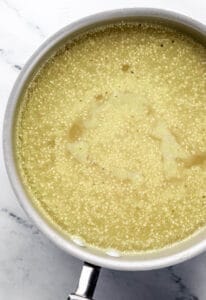
- Using a medium size saucepan on the stovetop over medium high heat, add 1 cups grits, 3 cups chicken broth, ½ teaspoon salt, and ¼ teaspoon ground pepper. Allow it to come to a boil, about 5 minutes.
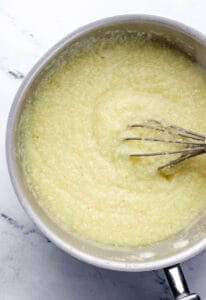
- Cover the saucepan with the lid, reduce the heat to low, and allow the grits to slowly simmer until they thicken, about 5 minutes. Remove the lid and whisk frequently to prevent lumps.
- Carefully remove the lid and stir in the 2 tablespoons butter and ¾ cup shredded cheddar cheese until fully melted and smooth.

- Stir in the 1 ½ tablespoons heavy cream until combined and allow it to cook for 2 to 3 more minutes.
- Garnish with some additional shredded cheese and chopped fresh parsley or green onions. Serve immediately while still warm. Enjoy!

Did You Make This Recipe?
If you give this Southern cheese grits recipe a try, I'd love to know what you think! Leave a comment below, share a photo on Instagram and tag @SimplyLaKita, or save it on Pinterest for later. And if these grits turned out creamy for you, would you leave a star rating? It genuinely helps other home cooks find the recipe. If you have questions about your grits, texture, cheese, anything, drop them in the comments and I'll answer.


Leave a Reply