





Make this easy Hamburger Steak and Gravy recipe. A family favorite that's the perfect dinner for busy weeknights. Ready in less than an hour, filling and delicious.
Updated August 10, 2026: I've refreshed this post with new tips, expanded FAQs, and helpful make-ahead instructions based on your questions and feedback. Same delicious recipe, even more helpful! Originally posted on May 24, 2024.
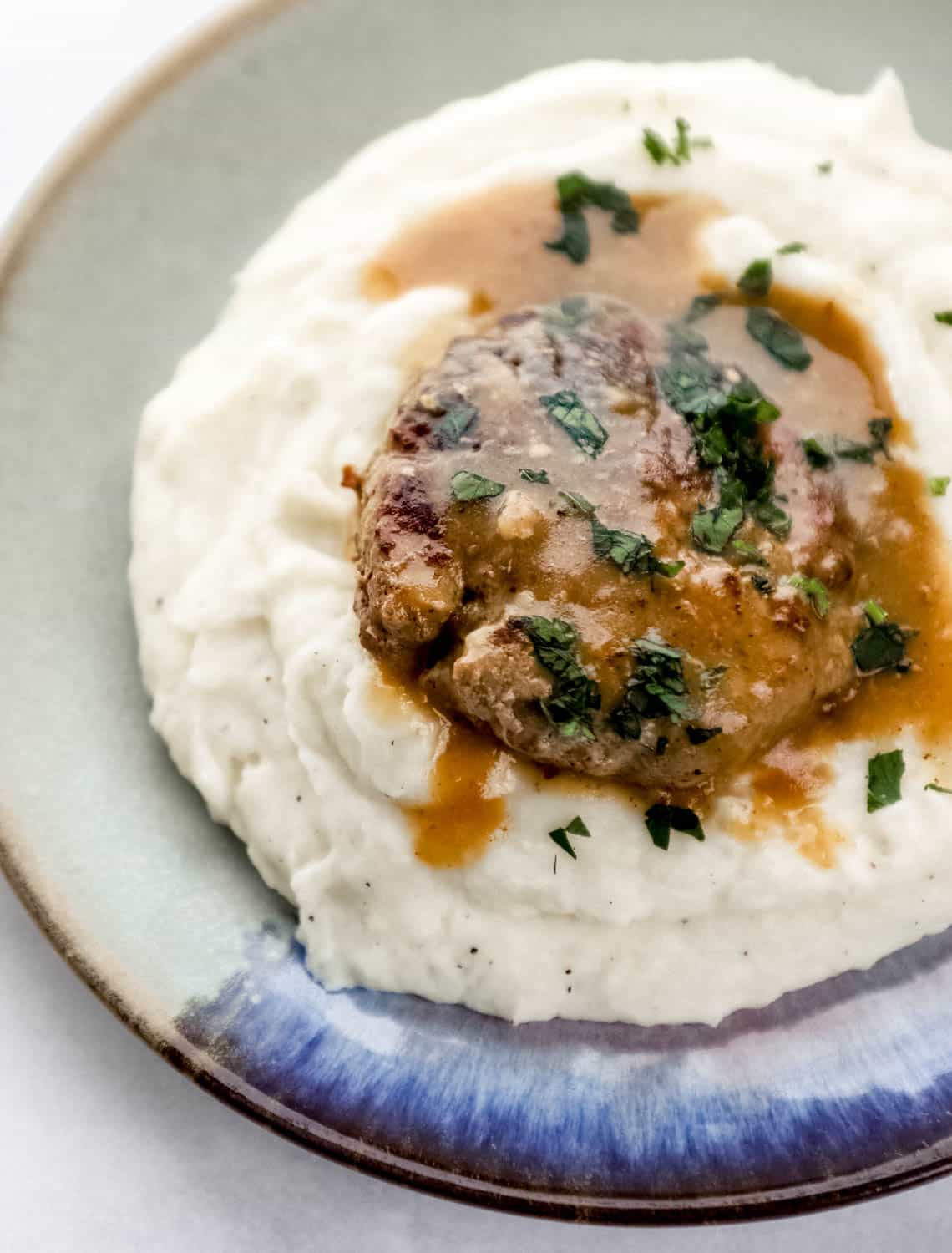
Watch this quick video tutorial!
Some of my earliest memories of a really good weeknight dinner start with the smell of beef patties browning in a hot skillet. My mama would have the potatoes going on one burner and the gravy coming together in the drippings on the other, and by the time she called us to the table the whole kitchen smelled like Sunday even though it was a Tuesday. That's the dinner I'm sharing with you today, old-fashioned hamburger steak smothered in a rich brown gravy you build right in the pan.
I've been making this one in my own kitchen for years now, and I've cooked it enough times to know exactly where people go wrong with it. My family asks for it on repeat, and I've tightened up the timing, the seasoning, and the gravy method every single time I've made it. What you're getting here is the version that works.
Here's what I want you to know before we start: there are no onions in this recipe and no breadcrumbs either. Just seasoned beef, a proper sear, and a from-scratch gravy. Let's get started!
Why You'll Love This Hamburger Steak
- No onions, no filler - The patties are seasoned beef held together with a single egg. No chopped onion, no breadcrumbs, no bread soaked in milk. If you cook for picky eaters or anybody who can't do onions, this is your recipe.
- The gravy comes from the pan - You're not opening a packet. That gravy is built from the drippings the beef leaves behind, which is exactly why it tastes the way it does.
- One skillet, start to finish - Patties, gravy, and the final simmer all happen in the same pan. That means less cleanup and more flavor.
- It stretches - A pound and a half of ground beef feeds a family, and it goes over mashed potatoes, rice, or egg noodles depending on what you've got.
Ingredients You'll Need
Here's everything you'll need to make this recipe.
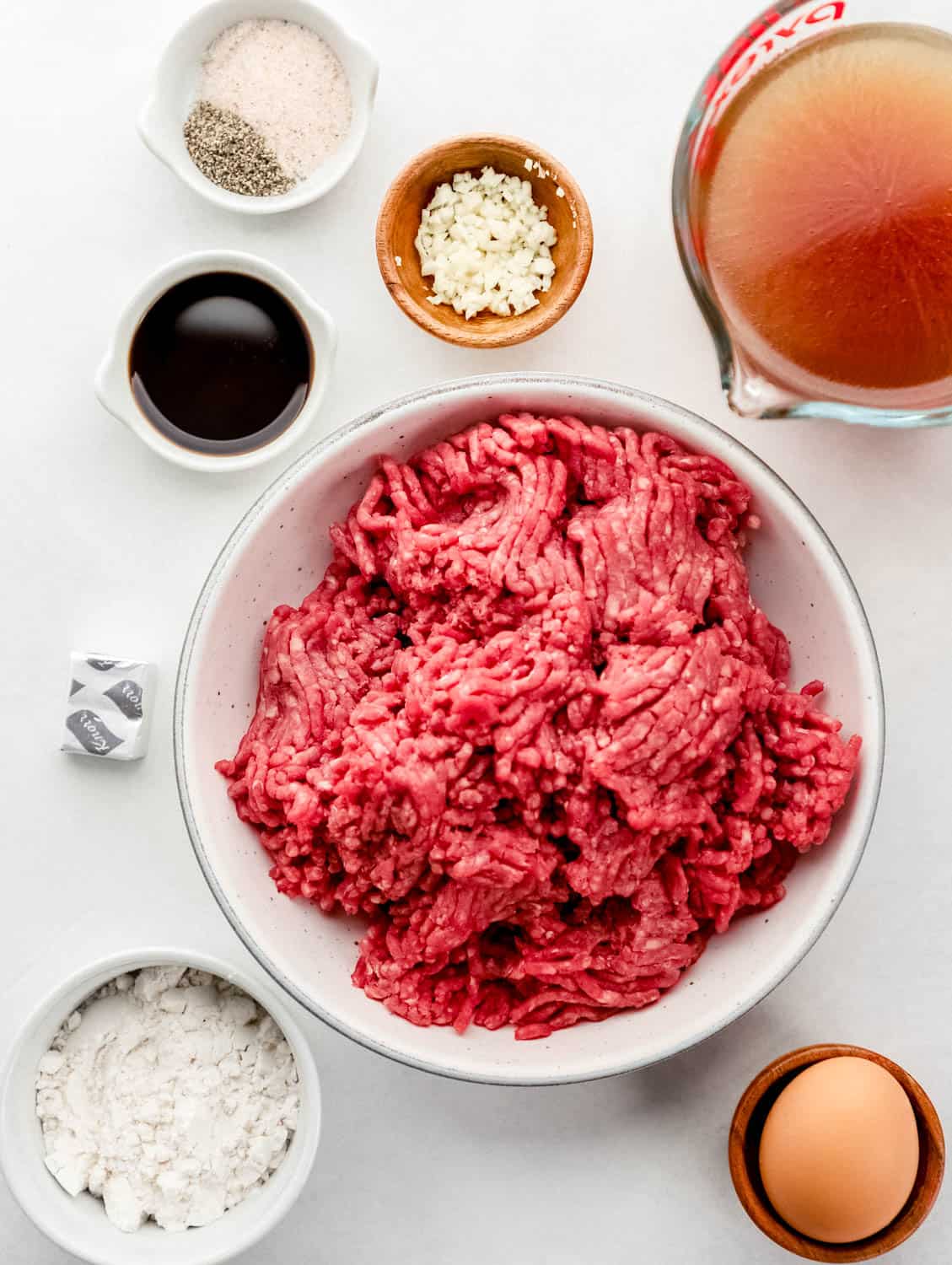
- Ground beef. This is the whole dish, so it's worth thinking about. Leaner beef around 90/10 gives you a firmer patty that holds its shape well, but it renders less fat, so you may need to add butter to build the gravy. An 80/20 chuck gives you a juicier patty and plenty of drippings, but it shrinks more in the pan. I lean toward the leaner side and add butter if I come up short.
- Egg. One egg is the only binder in this recipe. There are no breadcrumbs doing any of the work, which means the egg matters, and it's also why gentle mixing matters, which I'll get to below.
- Garlic and Worcestershire sauce. Freshly minced garlic brings a sharp, pungent note that dried garlic can't quite match, and the Worcestershire is doing the heavy lifting on savory depth. Don't leave the Worcestershire out. It's the difference between a beef patty and a hamburger steak.
- Salt and black pepper. Season the meat itself, not just the gravy. An underseasoned patty sitting in a well-seasoned gravy still tastes flat in the middle.
- All-purpose flour. This makes the roux that thickens the gravy. If you need this dish gluten-free, a measure-for-measure gluten-free flour blend works here. Just be sure to also use a gluten-free Worcestershire sauce, since not all brands are.
- Beef broth and beef bouillon. The broth thins the roux into gravy and the bouillon concentrates the beef flavor and deepens the color. If you want the gravy darker still, a little browning sauce does it without changing the taste.
👉🏾 See the recipe card below for exact quantities and full instructions.
How to Make Hamburger Steak
Here's a quick overview of the process. Full step-by-step instructions are in the recipe card below.
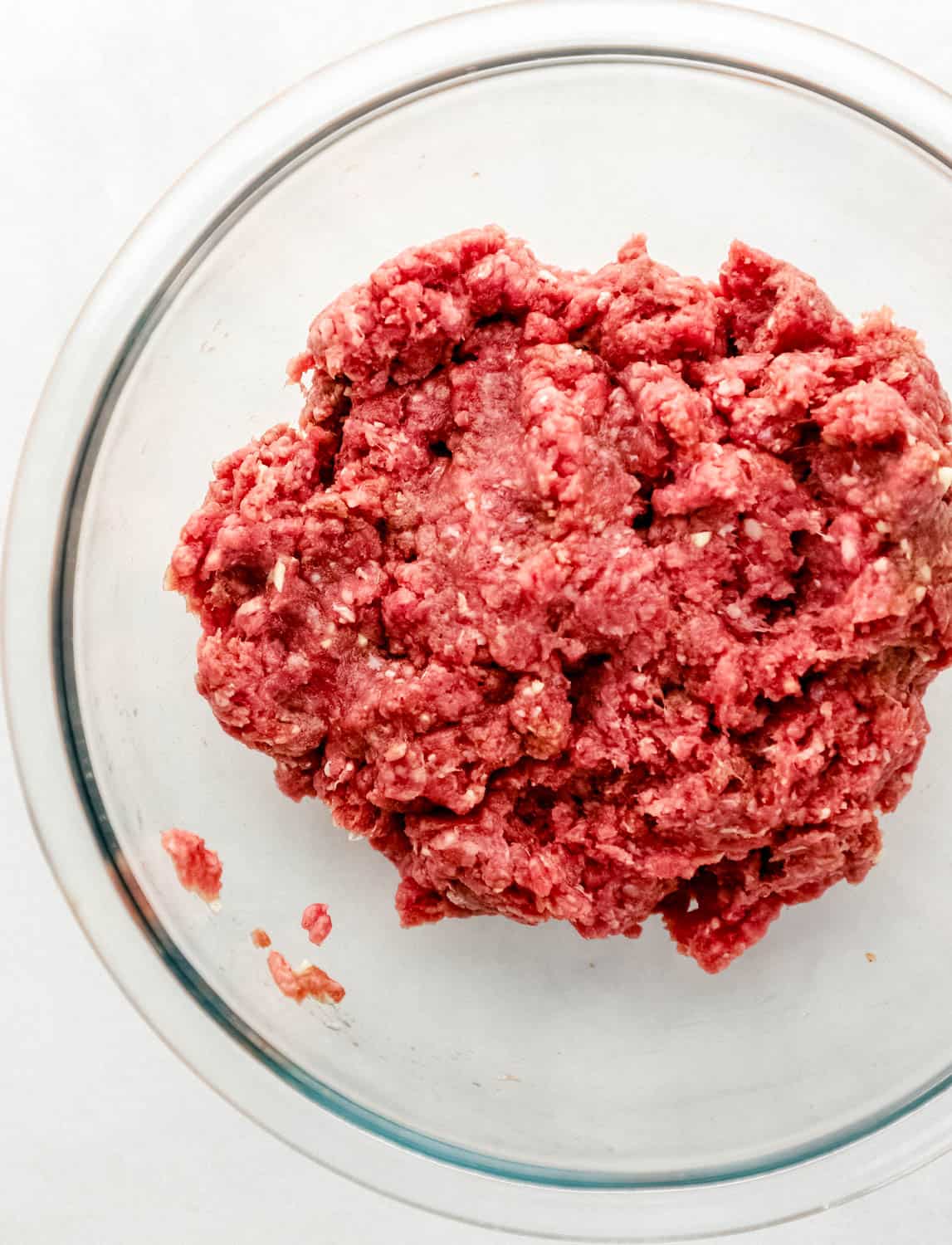
Step 1: Mix the Meat Gently
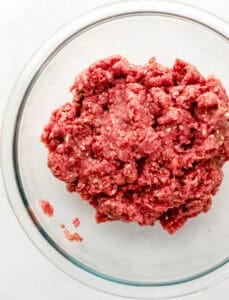
Combine the beef, egg, garlic, Worcestershire, salt, and pepper with your hands or a large spoon, and stop the moment it comes together. Overworking ground beef compacts the proteins and gives you a dense, springy patty instead of a tender one. You want it just barely mixed.
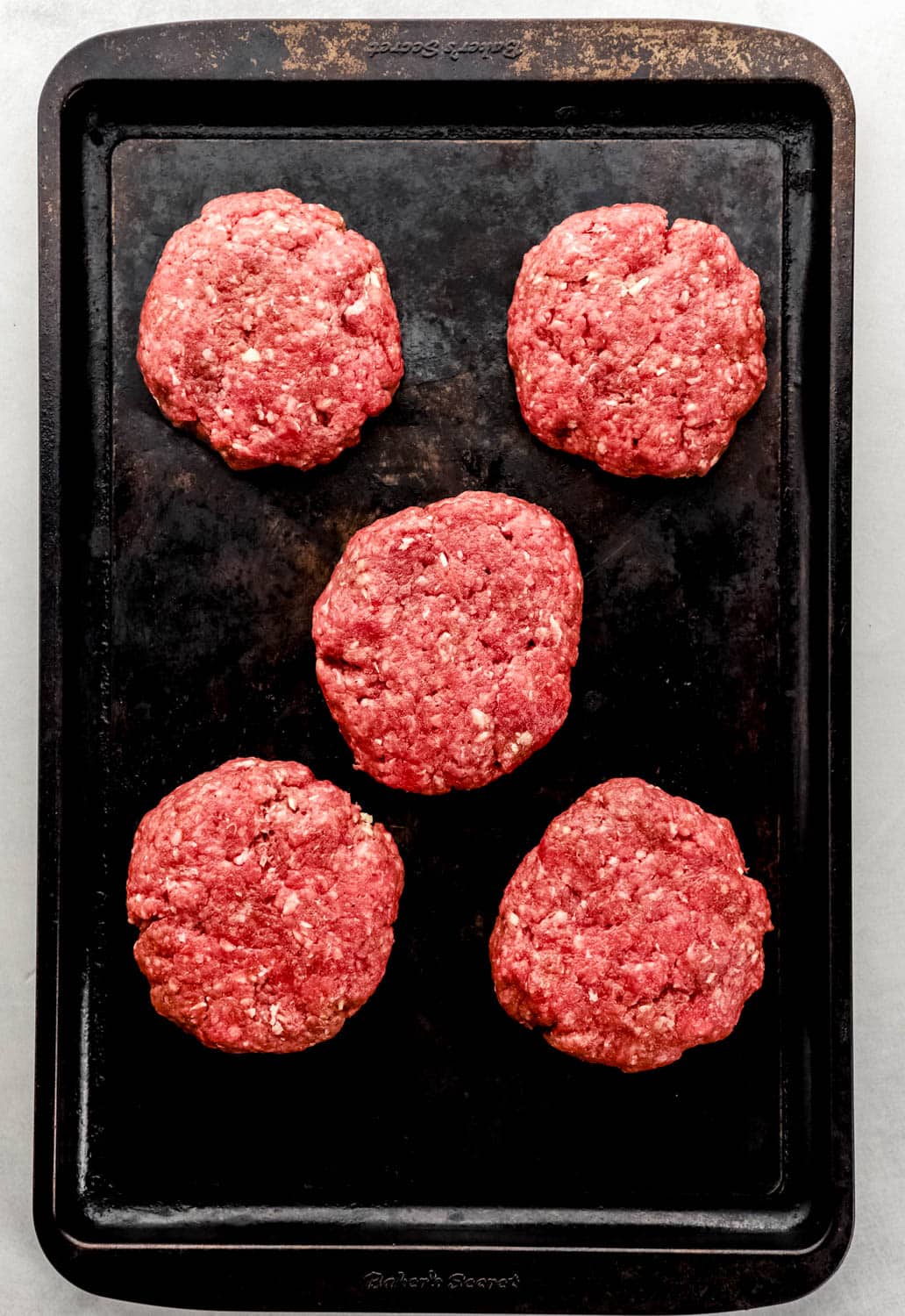
Step 2: Form Oval Patties
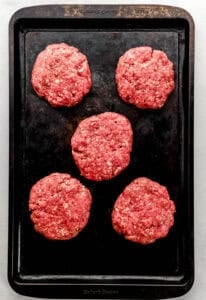
Shape four to five ovals about a half-inch thick and three to four inches wide. Press them firmly. This is the step that keeps them from breaking apart later, and since there are no breadcrumbs in this recipe, a well-compacted patty is doing the structural work. Oval, not round, is what makes it a hamburger steak rather than a burger.
Step 3: Sear Without Crowding
Get the skillet properly hot before the patties go in, and cook in batches if you have to. Crowded patties steam instead of sear, and no sear means no browned bits in the pan, which means no gravy worth eating. Four to five minutes per side, until they hit 160°F internally.
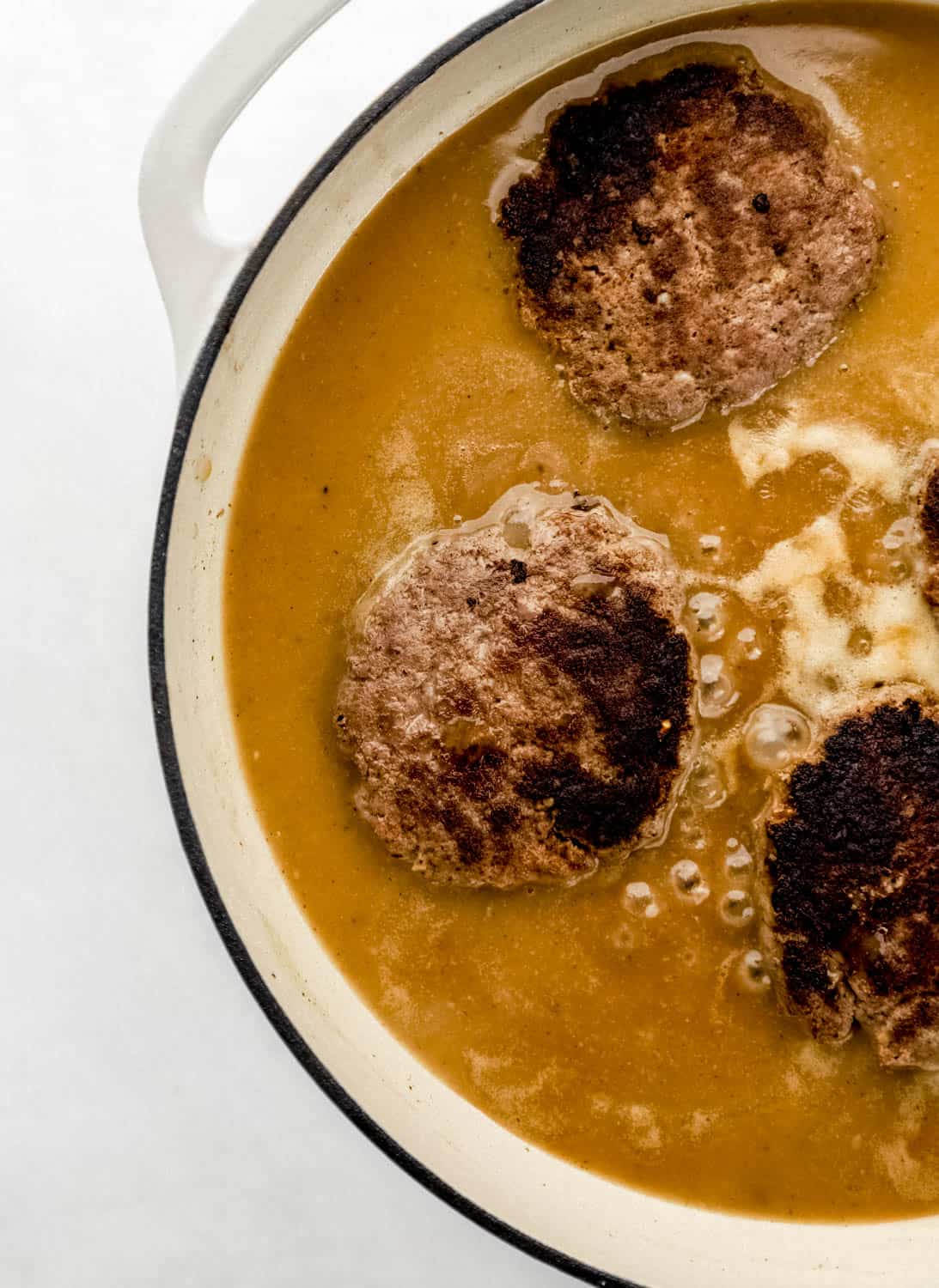
Step 4: Build the Roux
This is the step that separates this gravy from a packet, and it's where most people rush. Add the flour to the drippings over medium heat and stir it continuously for a full four to five minutes, until it turns genuinely dark brown and thickens into a paste. Pale roux tastes like raw flour. Dark roux tastes like a Southern kitchen. Don't walk away from it.
Step 5: Whisk in the Liquid Slowly
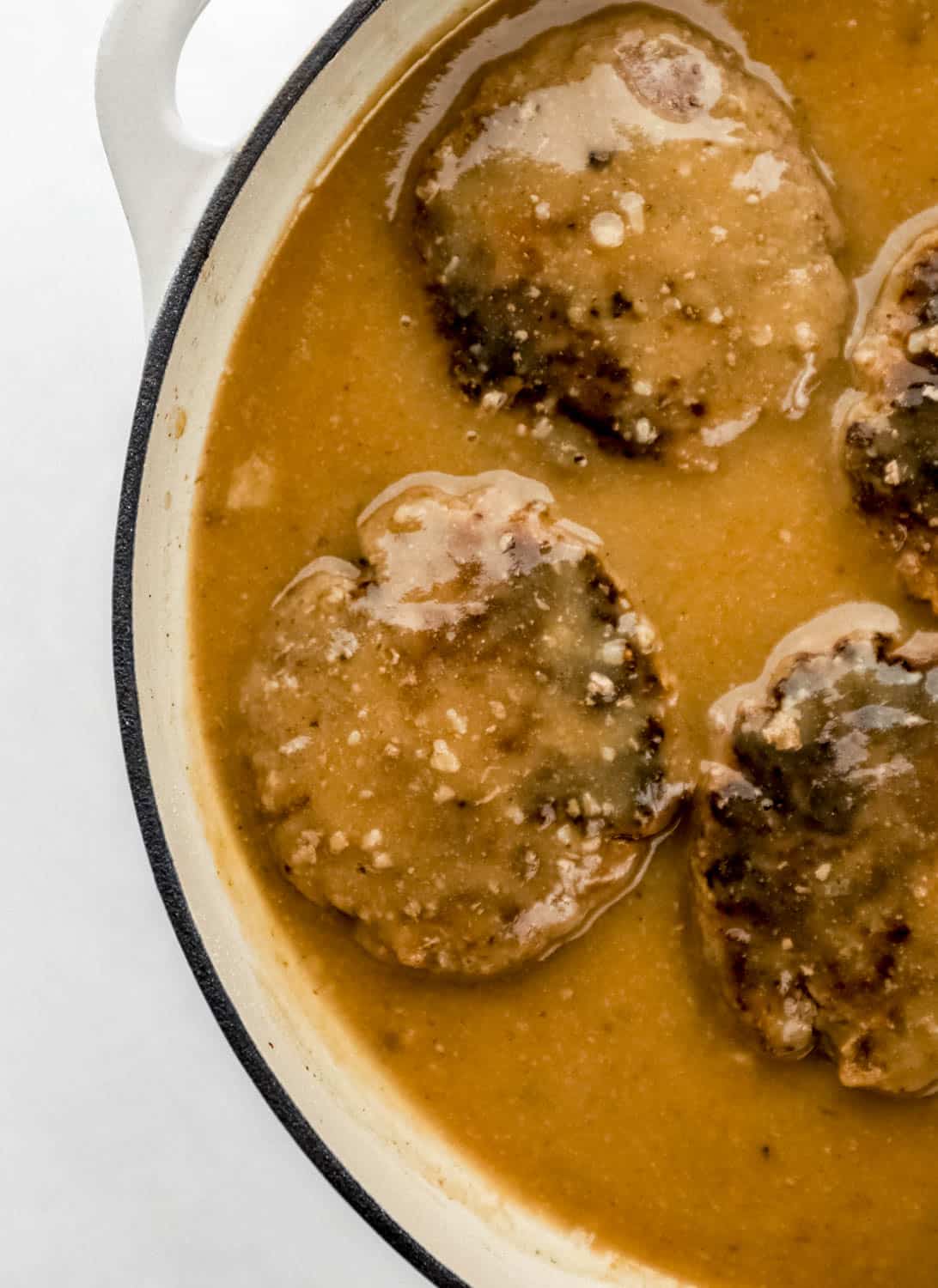
Add the beef broth in a slow stream while whisking constantly, then drop in the bouillon. Pouring it all in at once is how you get lumps. Bring it to a low boil, let it simmer about three minutes, then return the patties to the pan and spoon the gravy over them for a final five minutes.
LaKita's Expert Tips
Here are my best tips for making this recipe turn out perfectly every time.
- Chill the formed patties for 15 minutes before they hit the skillet if you have the time. Cold patties hold their shape noticeably better during the sear.
- Press a shallow dimple into the center of each patty with your thumb. It keeps them from puffing up into domes as they cook.
- Use a meat thermometer rather than the clock. Skillet heat varies more than recipes admit, and 160°F is the number that matters.
- If the gravy goes lumpy, pull it off the heat and whisk hard. If that doesn't fix it, run it through a fine mesh strainer, nobody will ever know.
- If the gravy is too thin, let it simmer uncovered a few minutes longer rather than adding more flour. It thickens more than you'd expect as it sits.
- If it's too thick, loosen it with warm broth a splash at a time. Cold liquid seizes it up.
- Tent the cooked patties with foil while you build the gravy. They'll stay warm and any juices that collect on the plate can go straight back into the pan.
- Save the gravy technique. Once you've got a dark roux down, the same method works under my Southern Meatloaf Recipe and any smothered dish you make.
Want To Save This Recipe?
Variations & Substitutions
This recipe is flexible, here are some easy ways to make it your own.
- Onion gravy - If you do want onions, slice a sweet onion thin and cook it in the drippings over medium heat for about 10 minutes until soft and golden before you add the flour. The onions sweeten as they cook and give the gravy real body.
- Mushroom gravy - Sauté thinly sliced mushrooms in a little butter in the empty skillet until they release their liquid and it cooks off, then build the roux on top of them.
- Creamier gravy - Stir a few spoonfuls of sour cream into the finished gravy off the heat, or add a can of cream of mushroom soup for a thicker, richer sauce.
- Cheese-topped - Lay a slice of Swiss or provolone over each patty during the final simmer and cover the pan until it melts.
- Ground turkey - Swap in ground turkey for a lighter version. It renders very little fat, so plan on adding 2 to 3 tablespoons of butter to build the gravy.
- Gluten-free - Use a measure-for-measure gluten-free flour blend and a gluten-free Worcestershire sauce. Since there are no breadcrumbs in the patties to begin with, that's all it takes.
Make-Ahead & Storage
Make-Ahead
You can mix and shape the patties up to a day ahead. Layer them between sheets of parchment in an airtight container in the refrigerator. The overnight chill actually helps them hold together in the skillet. The gravy is best made fresh in the drippings, so save that step for cooking day.
Storage & Reheating
Storage. Cool the patties and gravy to room temperature, then store them together in an airtight container in the refrigerator so the patties stay moist. They keep for up to 4 days. For the freezer, use a freezer-safe airtight container and store for up to 1 month.
Reheating. The stovetop is best. Warm them in a skillet over medium-low heat with a splash of broth to loosen the gravy, turning occasionally, until heated through. In the oven, cover with foil and warm at 300°F until hot in the center. The microwave works when you're in a hurry. Cover the dish and go in short bursts so the gravy doesn't split. Thaw frozen portions overnight in the refrigerator before reheating.
What to Serve with Hamburger Steak and Gravy
Here are some of my favorite ways to serve this dish.
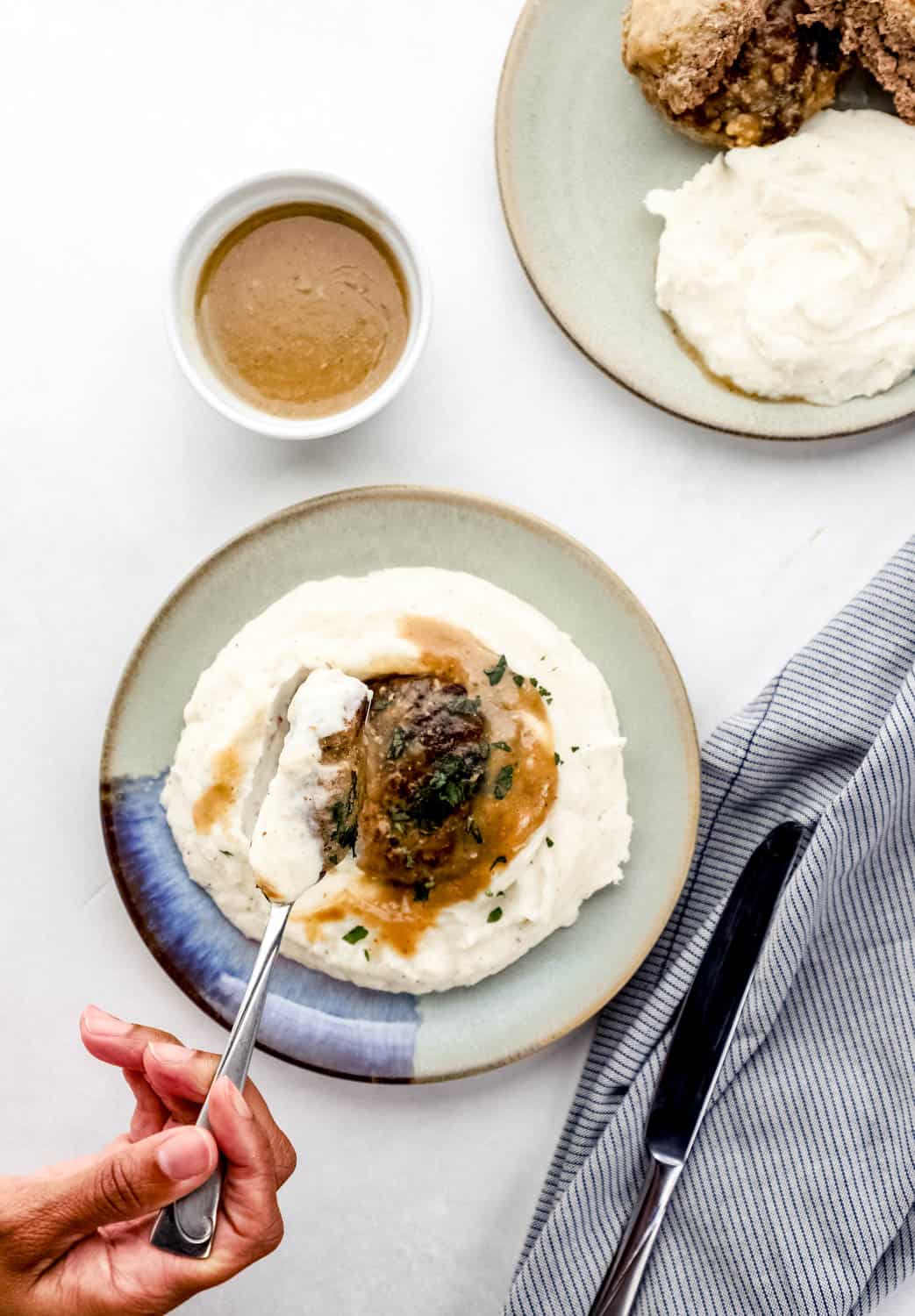
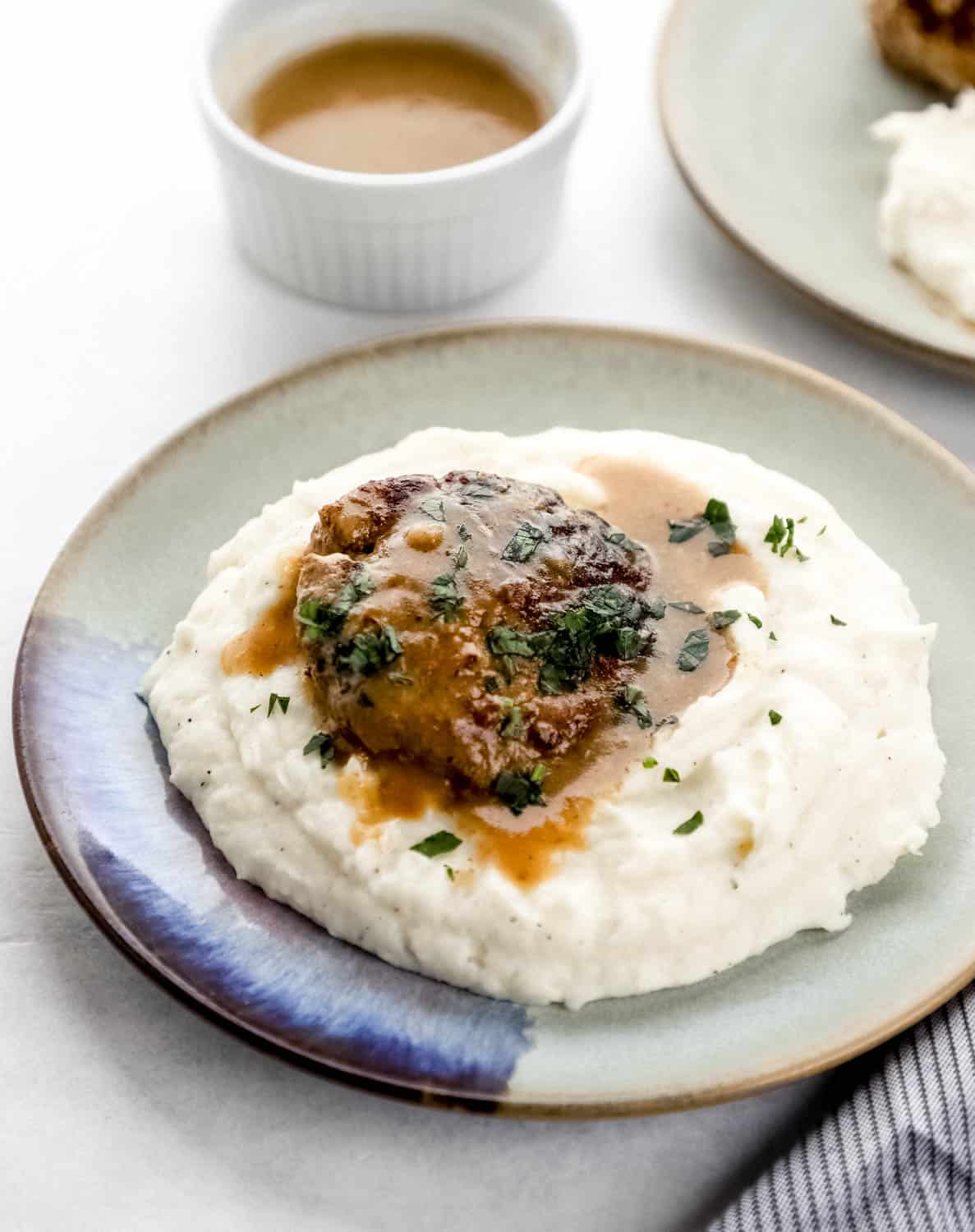
- Mashed potatoes - This is the classic pairing, and it's the one I make most. Try it with my Sour Cream Mashed Potatoes or my Creamy Mashed Potatoes and let the gravy run down over everything.
- Rice - A scoop of white rice under the patties soaks up the gravy beautifully and stretches the meal further.
- Egg noodles - Buttered wide egg noodles are a quick weeknight base when you don't want to peel potatoes.
- Green beans - Garlic Green Beans cut through the richness and bring some color to the plate.
- Macaroni and cheese - Thick and Creamy White Cheddar Macaroni alongside makes this a proper Sunday-style plate.
- Baked beans - Southern Baked Beans round it out when you're feeding a crowd.
Frequently Asked Questions
The main difference is what's in the patty. Salisbury steak typically includes breadcrumbs or crushed crackers as a filler along with onion, which makes it softer and more meatloaf-like. Hamburger steak is closer to a seasoned beef patty, this recipe uses only an egg to bind it, with no breadcrumbs at all. Salisbury steak is also usually served in mushroom gravy, while hamburger steak most often gets a brown gravy. In everyday cooking the names get used interchangeably, but that's the real line between them.
Usually one of three things. The patties weren't pressed firmly enough when you shaped them, the skillet wasn't hot enough to set a crust before you moved them, or they got flipped too early. Since there are no breadcrumbs in this recipe doing structural work, forming them tightly matters more than it would in a Salisbury steak. Chilling the shaped patties for 15 minutes before cooking helps a lot too.
Yes, this recipe is written that way on purpose. There are no onions in the patties and none in the gravy. Most hamburger steak recipes you'll find lean heavily on onion, so if you're cooking for picky eaters or someone who can't have them, this one's for you. The garlic and Worcestershire carry plenty of savory flavor on their own.
Either 80/20 or 90/10 works. An 80/20 chuck gives you a juicier patty and renders enough fat to build the gravy without any help. A 90/10 holds its shape a little better and shrinks less, but you may need to add a tablespoon or two of butter to the pan for the roux. I usually go leaner and add the butter.
Two ways. First, cook the roux longer, that full four to five minutes until it's genuinely dark brown does most of the work. Second, a small amount of browning sauce like Kitchen Bouquet deepens the color considerably without changing the flavor. The beef bouillon helps with color as well.
You can, and it'll be faster. Prepare it according to the package directions and pour it over the seared patties. But you'll be leaving the drippings in the pan, and those drippings are where all the flavor lives. If you've got five extra minutes, make the roux.
Mashed potatoes are the traditional answer and the one I reach for most, since the gravy needs something to pool into. Rice and buttered egg noodles both work just as well. For a vegetable, green beans or green peas are classic, and macaroni and cheese alongside turns it into a full Southern plate.
Ground beef needs to reach an internal temperature of 160°F, and a meat thermometer inserted into the thickest part of the patty is the only reliable way to check. Color isn't dependable with ground beef. Patties can brown through before they're safely cooked, or stay pink after they are. Note that they'll finish cooking a little more once they go back into the simmering gravy.
Absolutely. Pull the pan off the heat and whisk it hard, most lumps break up with vigorous whisking alone. If some stubborn ones remain, pour the gravy through a fine mesh strainer and return it to the pan. Adding the broth slowly while whisking constantly is what prevents it in the first place.
You'd want to sear the patties in a skillet first regardless, because that browning is where the gravy's flavor comes from. But yes, you can then transfer everything to a slow cooker and hold it on low for 2 to 3 hours. It's a good approach for a potluck or when dinner needs to wait. If you're after a true set-and-forget beef dinner though, my Crockpot Beef Stew Recipe is built for it.
📖 Recipe

Hamburger Steak and Gravy Recipe
Video
Equipment
- 1 large mixing bowl
- 1 large skillet or braiser
Ingredients
- 1 ½ pounds ground beef
- 1 large egg
- 1 teaspoon salt
- ½ teaspoon ground black pepper
- 2 cloves garlic, minced
- 1 Tablespoon worcestershire sauce
- 2 tablespoons olive oil (optional)
- ¼ cup pan drippings
- 3 Tablespoons all-purpose flour
- 2 cups beef broth
- 1 cube beef bouillon
Instructions
- In a large bowl, add the 1 ½ pounds ground beef, 1 large lightly beaten egg, 1 teaspoon salt, ½ teaspoon ground black pepper, 2 minced garlic cloves, and 1 tablespoon Worcestershire sauce. Mix the meat mixture using a large spoon or clean/gloved hands, until combined.
- Divide the ground beef mixture and form 4 to 5 oval-shaped patties that are about ½-inch thick and 3 to 4 inches wide. Set them aside.
- Heat a large nonstick skillet or cast iron skillet over medium-high heat, you can add some 2 tablespoons olive oil but it isn't necessary. After 1 to 2 minutes, add the burger patties careful not to overcrowd the pan.
- Cook for 4 to 5 minutes, flip each pattie to the opposite side, and continue cooking for another 4 to 5 minutes. The patties should have browned and the internal temperature has reached 160 degrees F.
- Carefully remove each hamburger from the skillet onto a plate and cover loosely (tent) with aluminum foil. Repeat the process until all of the patties are done.
- Reduce the heat to medium heat. Using the same skillet with the ¼ cup pan drippings, add the 3 tablespoons all-purpose flour and stir it continuously for 4 to 5 minutes, until it's dark brown and forms a paste consistency.
- Slowly add in the 2 cups beef broth and 1 beef bouillon cube. Stir to combine and allow the gravy mixture to come to a low boil and simmer for about 3 minutes.

- Return the hamburger steaks to the skillet with the gravy. Spoon the brown gravy over the hamburger steaks. Cook for an additional 5 minutes. Remove the hamburger steaks and gravy from the skillet. Serve warm over mashed potatoes, rice, or egg noodles. Enjoy!

Did You Make This Recipe?
I'd love to hear how it turned out in your kitchen. If you give this hamburger steak and gravy a try, I'd love to know what you think! Leave a comment below, share a photo on Instagram and tag @SimplyLaKita, or save it on Pinterest for later. And if you've got a question about the gravy or a variation you've tried, drop it in the comments. I read every one and I'm always happy to help you get it right.


Talitha King says
Absolutely delicious 😋 this recipe is great. I have added it to my weekly rotation and the fam love it!!!
LaKita says
Thank you so much, that makes me so happy to hear! It's a fam favorite here as well.