



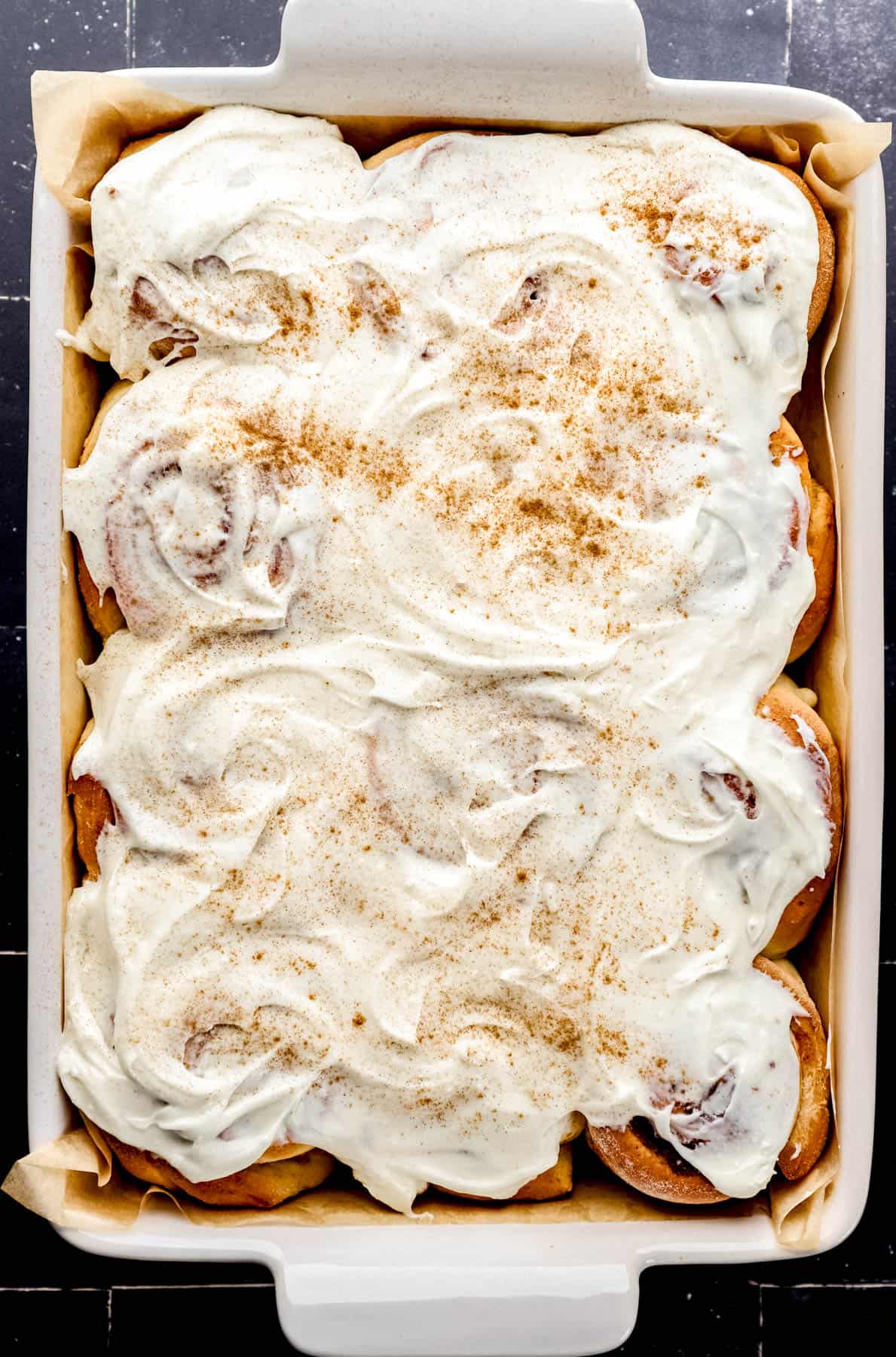
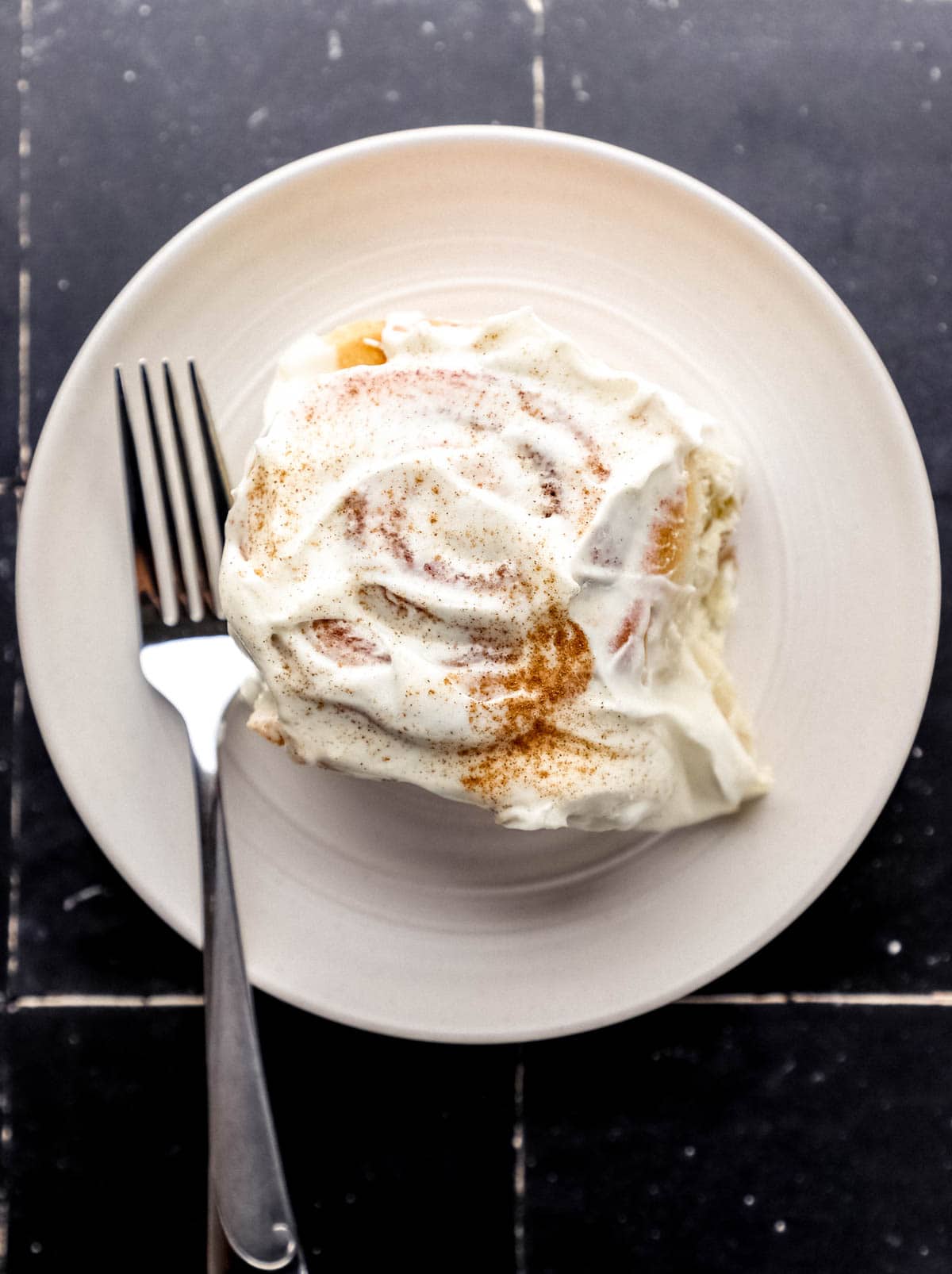
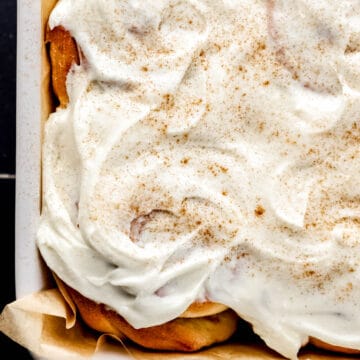
This homemade cinnamon roll recipe makes soft, fluffy rolls with a gooey cinnamon filling and tangy cream cheese frosting. Using active dry yeast creates bakery-quality rolls that are surprisingly approachable for home bakers.
Updated August 2, 2026: I've refreshed this post with new tips, expanded FAQs, and helpful make-ahead instructions based on your questions and feedback. Same delicious recipe, even more helpful! Originally posted October 05, 2018, and photos updated October 13, 2025.
Want To Save This Recipe?
My grandmother never once wrote this recipe down. She'd start the dough on Saturday night in a big metal bowl on the back of the stove, and by Sunday morning the whole house smelled like cinnamon and warm butter before anybody's feet hit the floor. I spent years trying to get back to that smell, and the thing that finally cracked it wasn't a fancy technique, it was learning to stop being scared of the yeast.
I've been developing and testing yeast doughs for over a decade as a self-taught baker, and I've made this particular batch more times than I can count in my own kitchen in Florida. Every measurement here has been tested, retested, and fed to people who tell me the truth. My Old Fashioned Yeast Rolls recipe came out of the same stretch of learning, and the two of them together taught me most of what I know about enriched dough.
Here's what readers have to say about this recipe:
Reader Stephen, commented: "These came out amazing!!! So easy and didint take to long. I put some Carmel and walnuts in the filling and they were so good!! 10/10 Must try again ★★★★★"
Another reader Sasha, commented: "These were so good me and my family loved them thanks for the recipe! ★★★★★"
So if you've been putting off homemade cinnamon rolls because yeast feels intimidating, this is the recipe I'd hand you. I'll walk you through the temperature, the timing, and exactly what to look for at every stage. Let's get started!
Watch this quick video tutorial!
Jump to:
- Watch this quick video tutorial!
- Why You'll Love This Cinnamon Roll Recipe
- Ingredients You'll Need
- How to Make Cinnamon Rolls with Active Dry Yeast
- LaKita's Expert Tips
- Variations & Substitutions
- Make-Ahead & Storage
- What to Serve with Cinnamon Rolls
- Frequently Asked Questions
- 📖 Recipe
- Did You Make This Recipe?
Why You'll Love This Cinnamon Roll Recipe
- Made with active dry yeast - the kind that's already in most pantries, no special order or specialty flour required, and I'll show you exactly how to proof it.
- Genuinely soft, all the way through - two rises and an enriched dough give you that pillowy, pull-apart center instead of a dense, bready roll.
- Three tablespoons of cinnamon - most recipes use two, and you can taste the difference in every single swirl.
- Overnight-friendly - shape them the night before, bake them in the morning, and have warm cinnamon rolls without setting an alarm for 5 a.m.
Ingredients You'll Need
Here's everything you'll need to make this recipe.
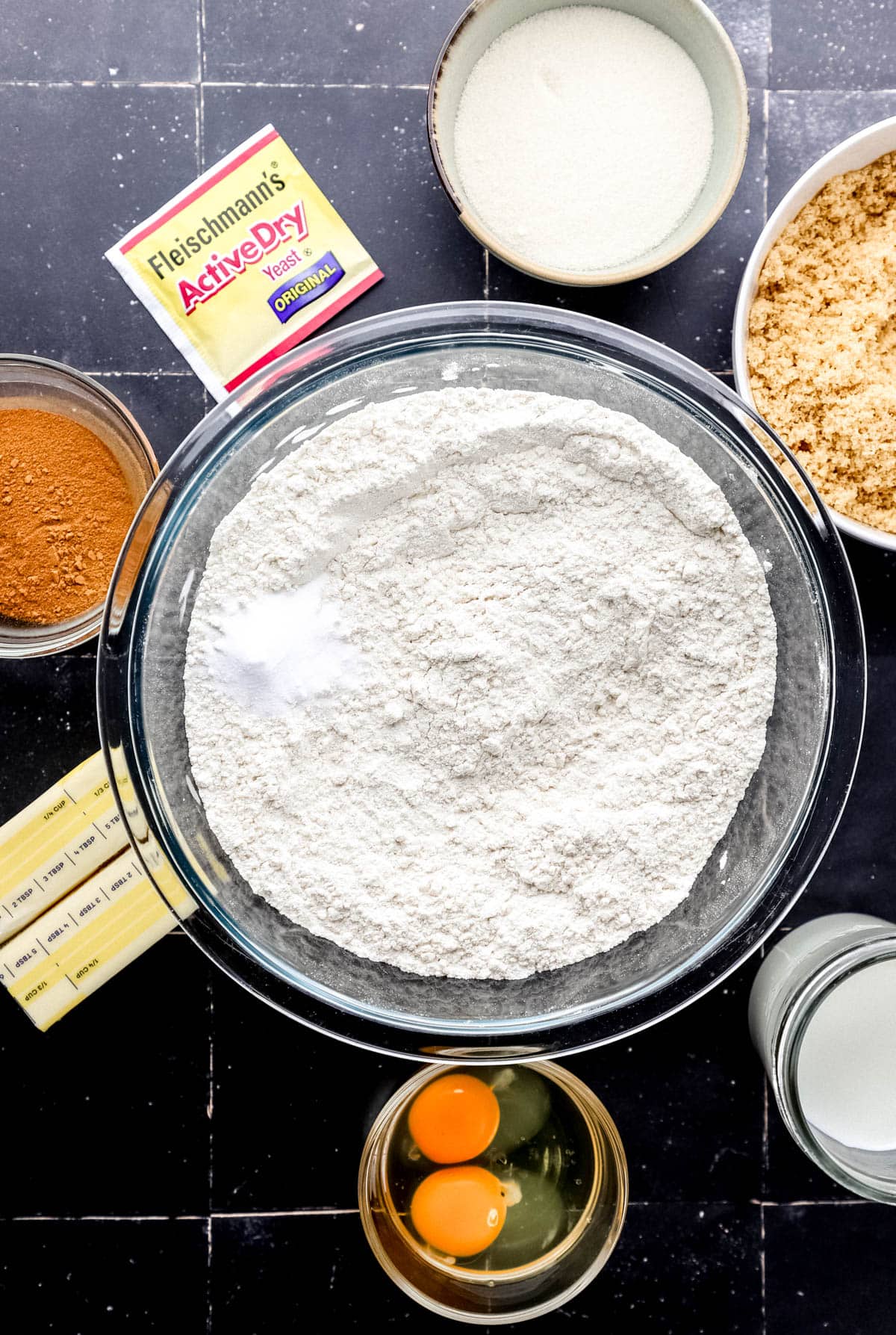
For the Cinnamon Roll Dough
The dough is where the whole recipe lives or dies, so it's worth understanding what each piece is doing.
- Whole milk is your proofing liquid and your tenderizer. Warming it to 105-110°F is the single most important number in this recipe. Proofing the yeast directly in warm milk rather than water gives the dough a richer flavor from the very first step.
- Active dry yeast needs to be dissolved and proofed before it joins the rest of the dough. One standard packet is exactly what you need. Check the expiration date on the packet. Old yeast is the number one reason cinnamon rolls fail.
- Granulated sugar does double duty: a small amount feeds the yeast during proofing, and the rest sweetens and tenderizes the dough. Don't reduce it thinking you're being healthy, you'll change the texture.
- Butter and eggs are what make this an enriched dough rather than a plain bread dough. The fat coats the flour proteins and keeps the crumb soft. The eggs add structure and that faintly golden color.
- All-purpose flour works beautifully here. Bread flour also works and gives you a slightly chewier roll with more pull. Whichever you use, spoon it into the measuring cup and level it off. Scooping straight from the bag packs in far too much flour and gives you dense rolls.
- Salt balances all that sugar. If you're using salted butter, leave it out.
For the Filling
- Brown sugar brings a molasses depth that white sugar can't touch.
- Ground cinnamon is where I refuse to be modest. Three tablespoons, and you'll understand why the first time you take a bite.
- Softened butter, not melted, is what holds the cinnamon sugar against the dough. Melted butter slides right off and pools out the sides when you cut the rolls.
For the Cream Cheese Frosting
- Cream cheese at true room temperature is non-negotiable if you want smooth frosting.
- Butter, powdered sugar, and vanilla round it out. The tang of the cream cheese is what keeps these from tasting like pure sugar.
👉🏾 See the recipe card below for exact quantities and full instructions.
How to Make Cinnamon Rolls with Active Dry Yeast
Here's a quick overview of the process. Full step-by-step instructions are in the recipe card below.
Step 1: Proof the Active Dry Yeast
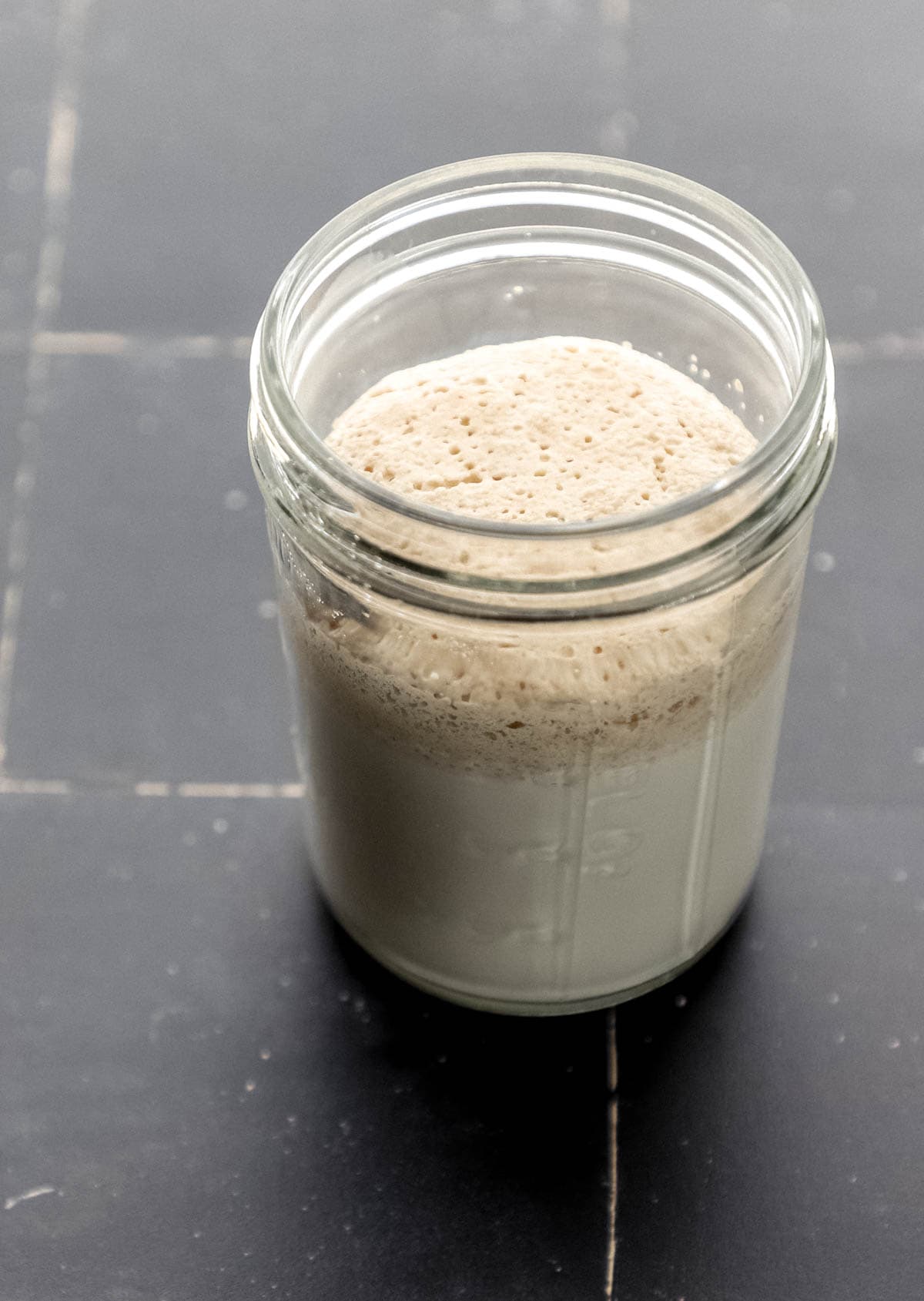
Warm your milk to 105-110°F and stir in the yeast with a spoonful of sugar. Within five to ten minutes you should see foam building on the surface and catch a faintly beery, bread-y smell. That foam is your proof the yeast is alive. If nothing happens after ten minutes, stop. Your yeast is dead or your milk was too hot, and there's no rescuing it from here. Start over with fresh yeast.
Step 2: Mix and Knead the Cinnamon Roll Dough
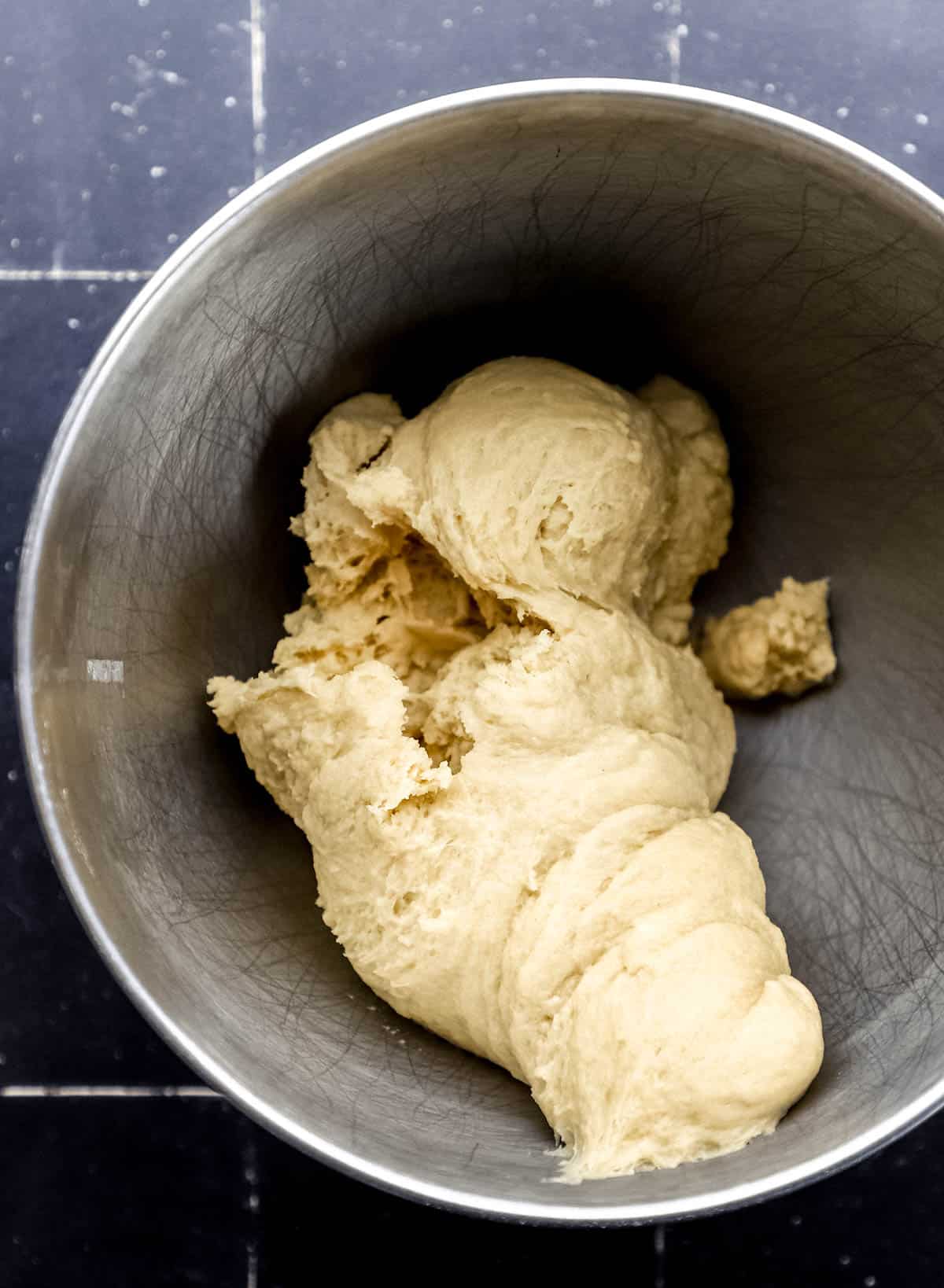
Combine everything in the stand mixer and let the dough hook work for six to eight minutes. You're looking for a dough that pulls away from the sides of the bowl but still feels tacky when you touch it. The instinct to add more flour until it stops sticking is the single most common mistake with cinnamon roll dough, resist it. Tacky dough bakes into soft rolls, stiff dough bakes into bricks.
Step 3: The First Rise
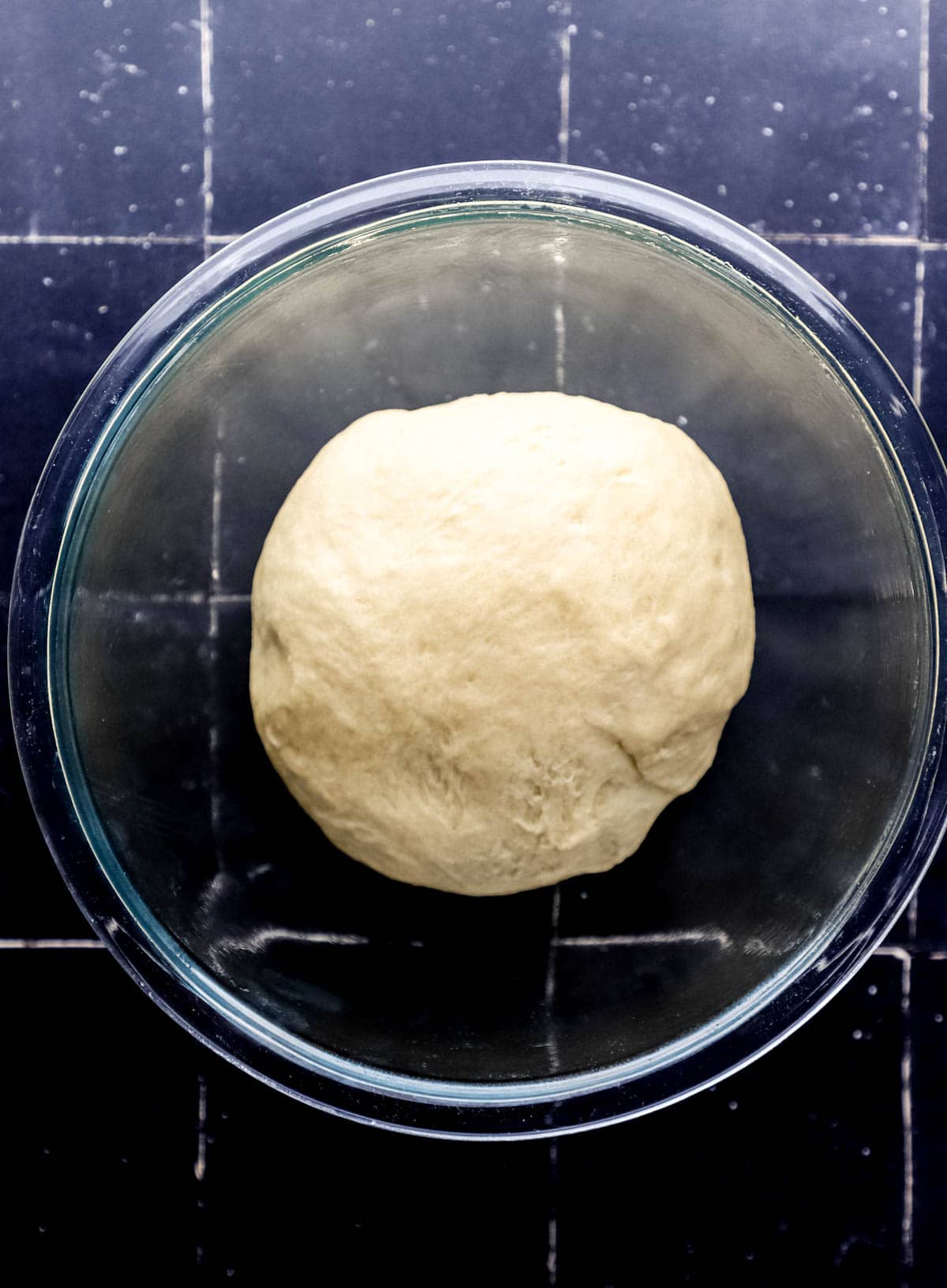
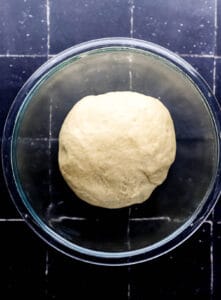
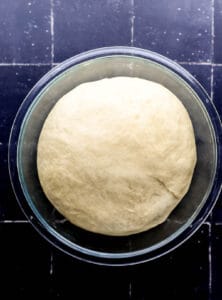
Oil a bowl, turn the dough to coat it, cover it, and put it somewhere warm. A turned-off oven with just the light on is ideal. You want it doubled, and how long that takes depends entirely on your kitchen. Judge by size, not by the clock.
Step 4: Roll, Fill, and Shape
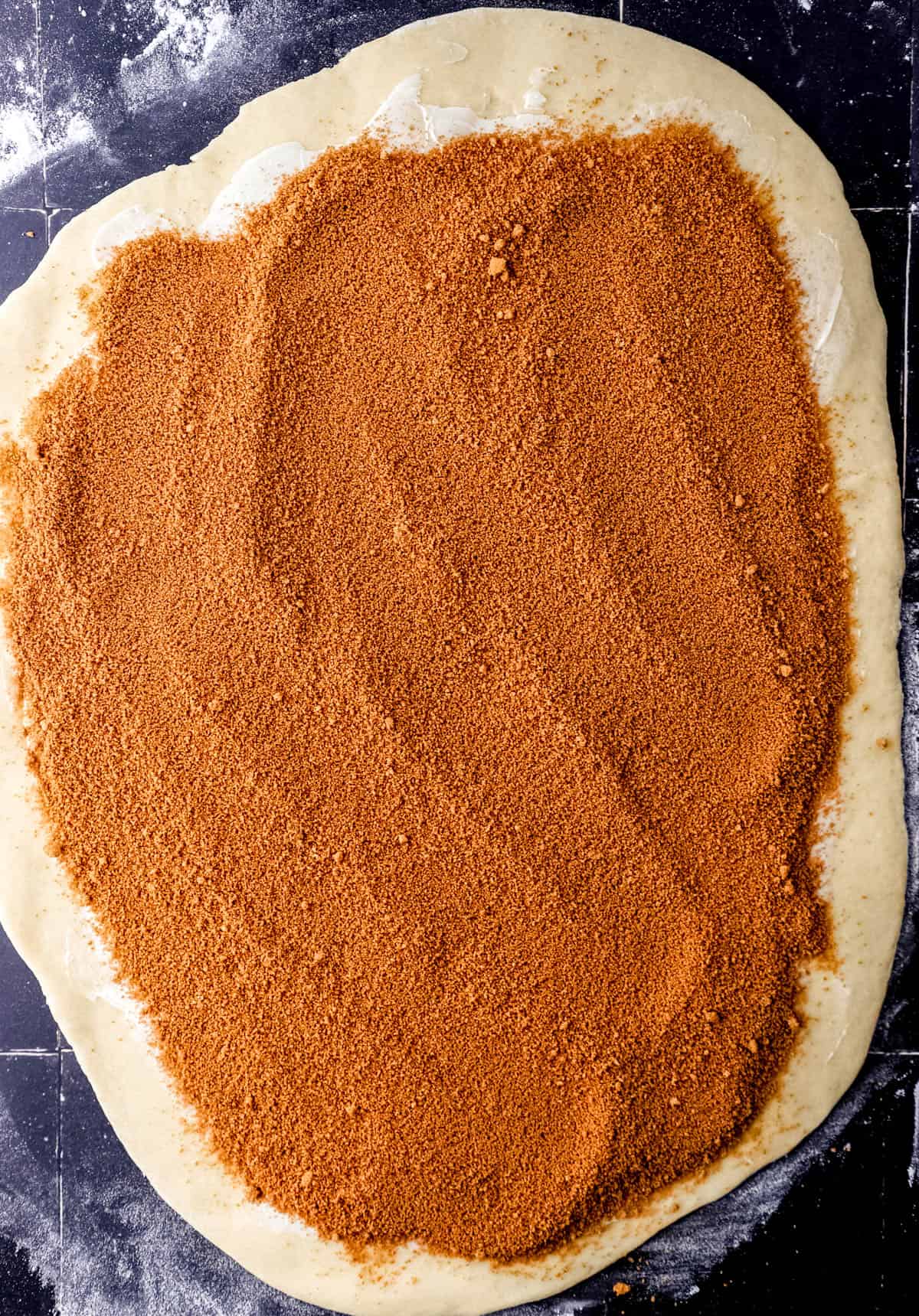
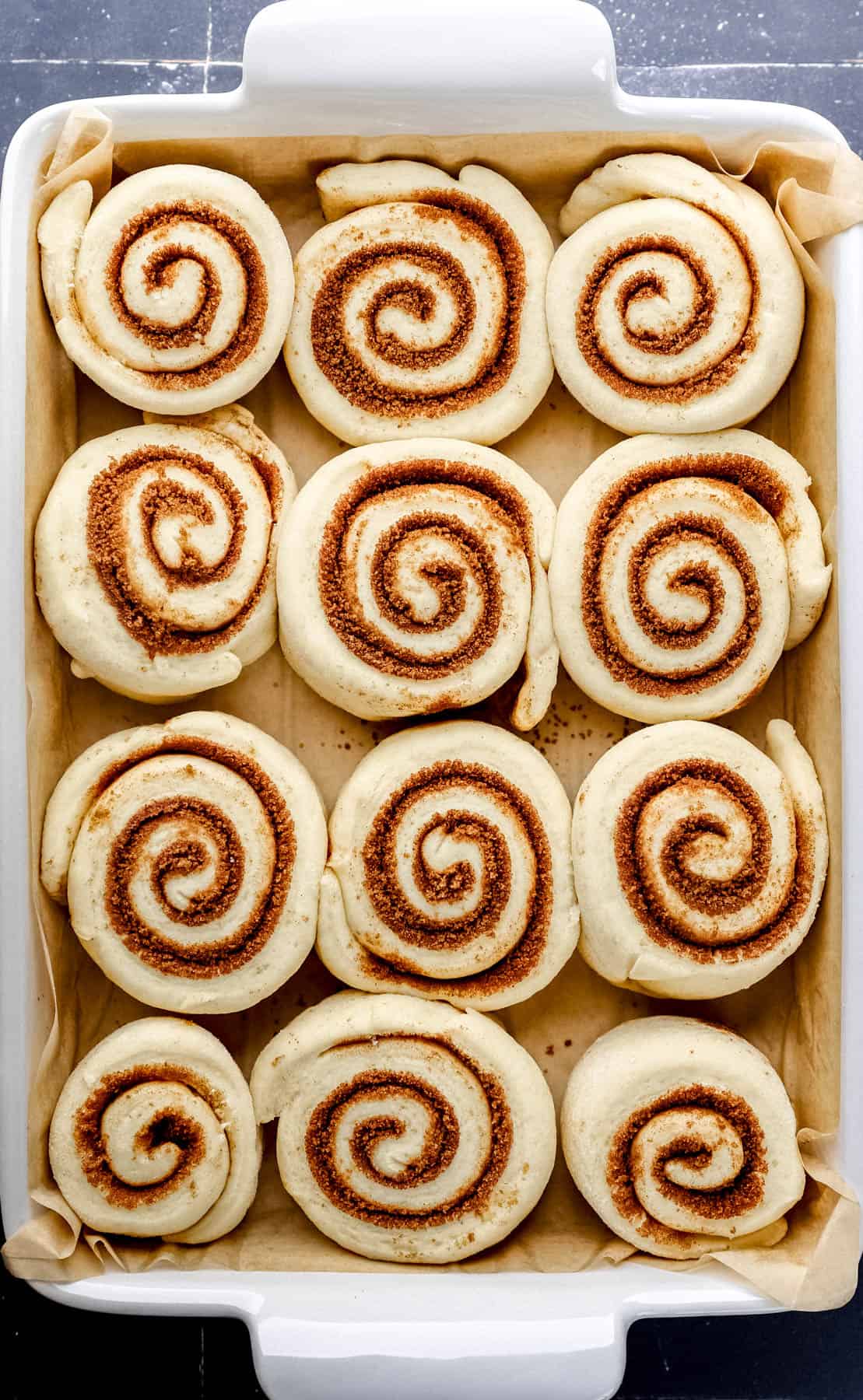
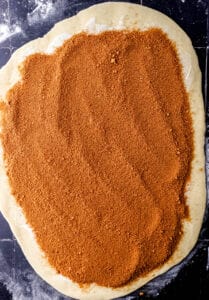
Roll the dough into an even rectangle about a quarter inch thick. Even thickness matters more than exact dimensions, because uneven dough bakes unevenly. Spread the softened butter, leaving a bare border along one long edge so the seam can seal to itself. Sprinkle the cinnamon sugar right to the edges, then roll it up tight from the opposite long side and pinch that seam closed.
Step 5: Cut and Second Rise
Unflavored dental floss slid under the log and pulled up through it gives you a cleaner cut than any knife. A knife squashes the spiral, floss keeps it round. Place the rolls cut-side up in the pan, cover, and let them rise until visibly puffy.
Step 6: Bake and Frost
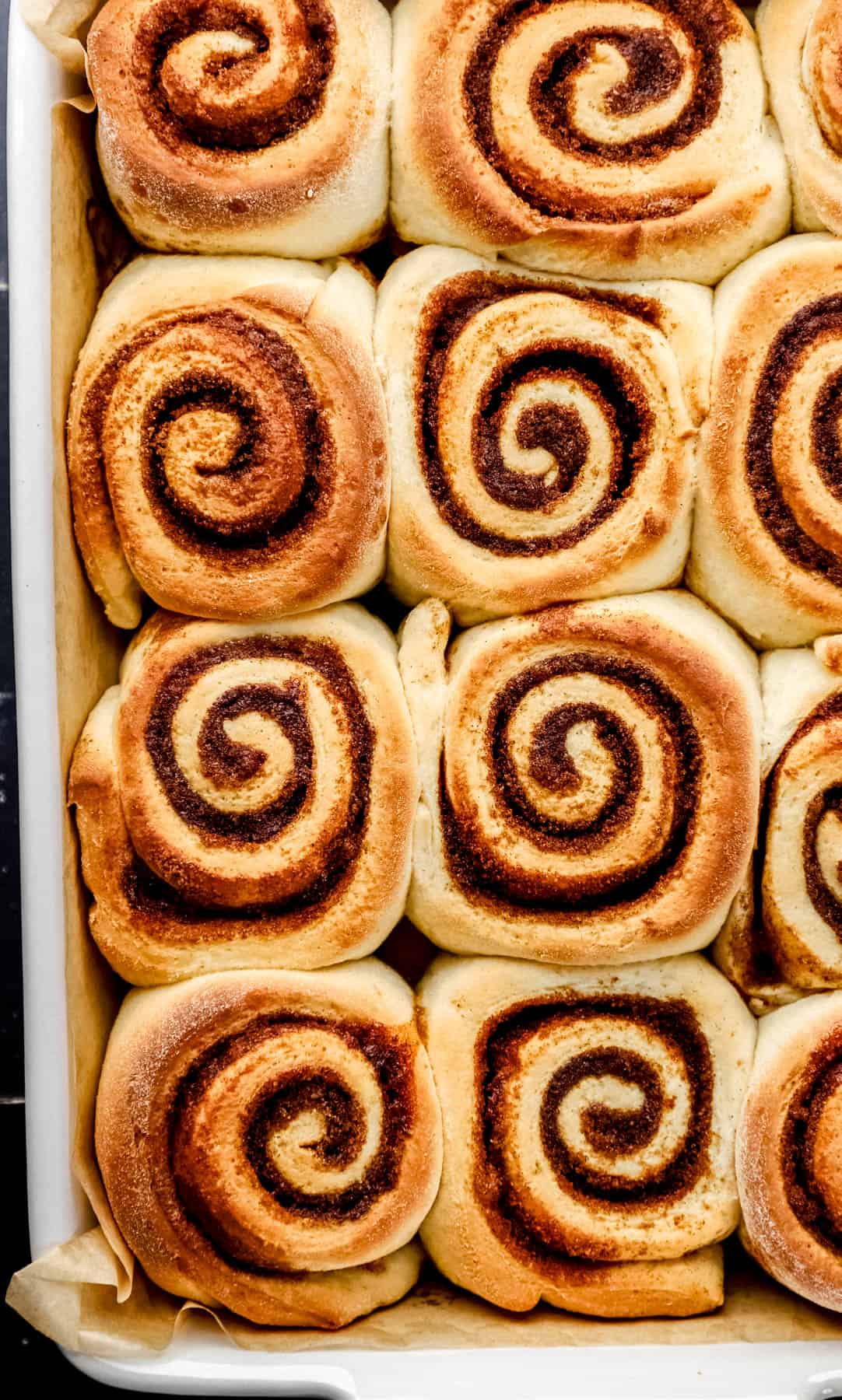
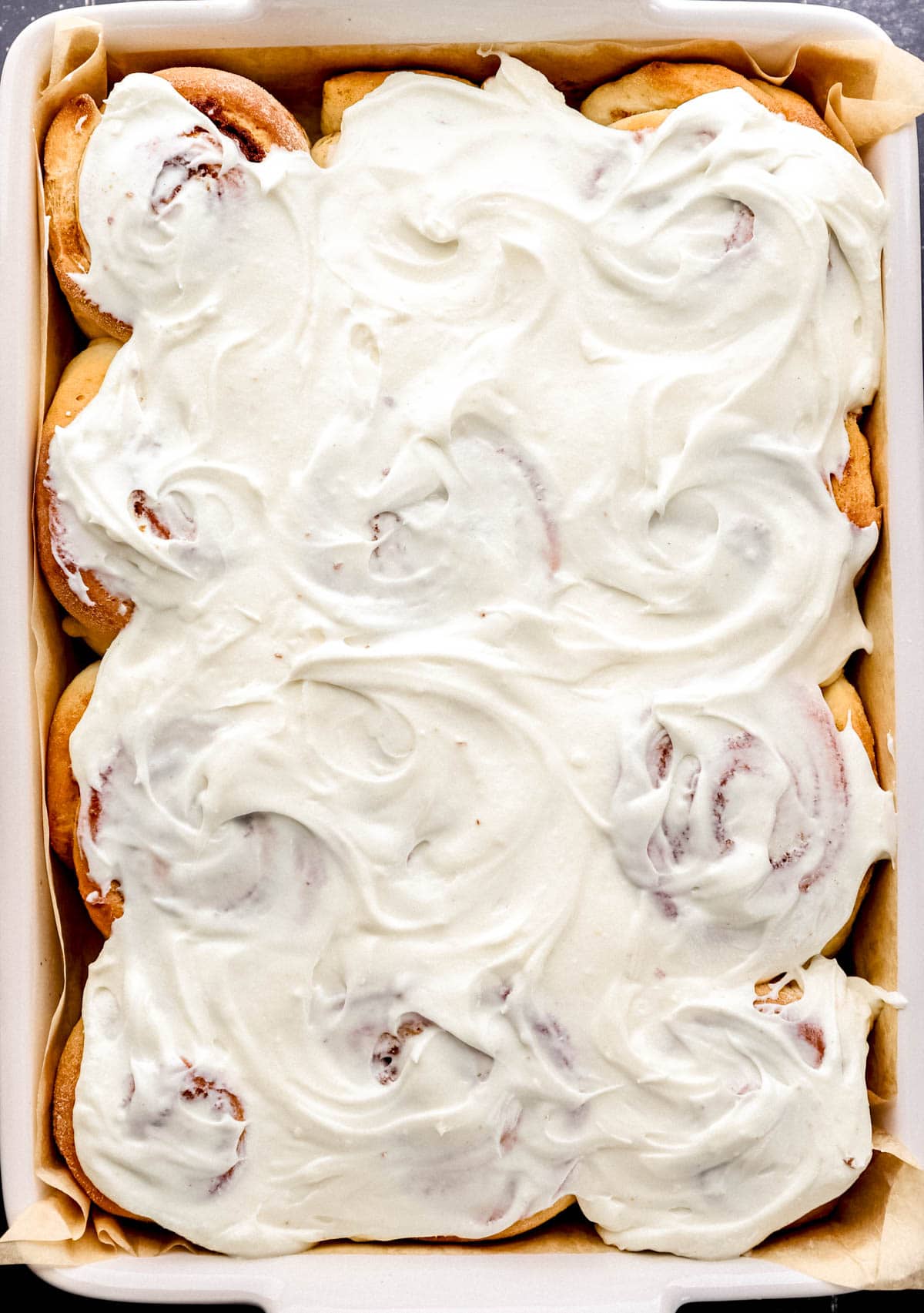
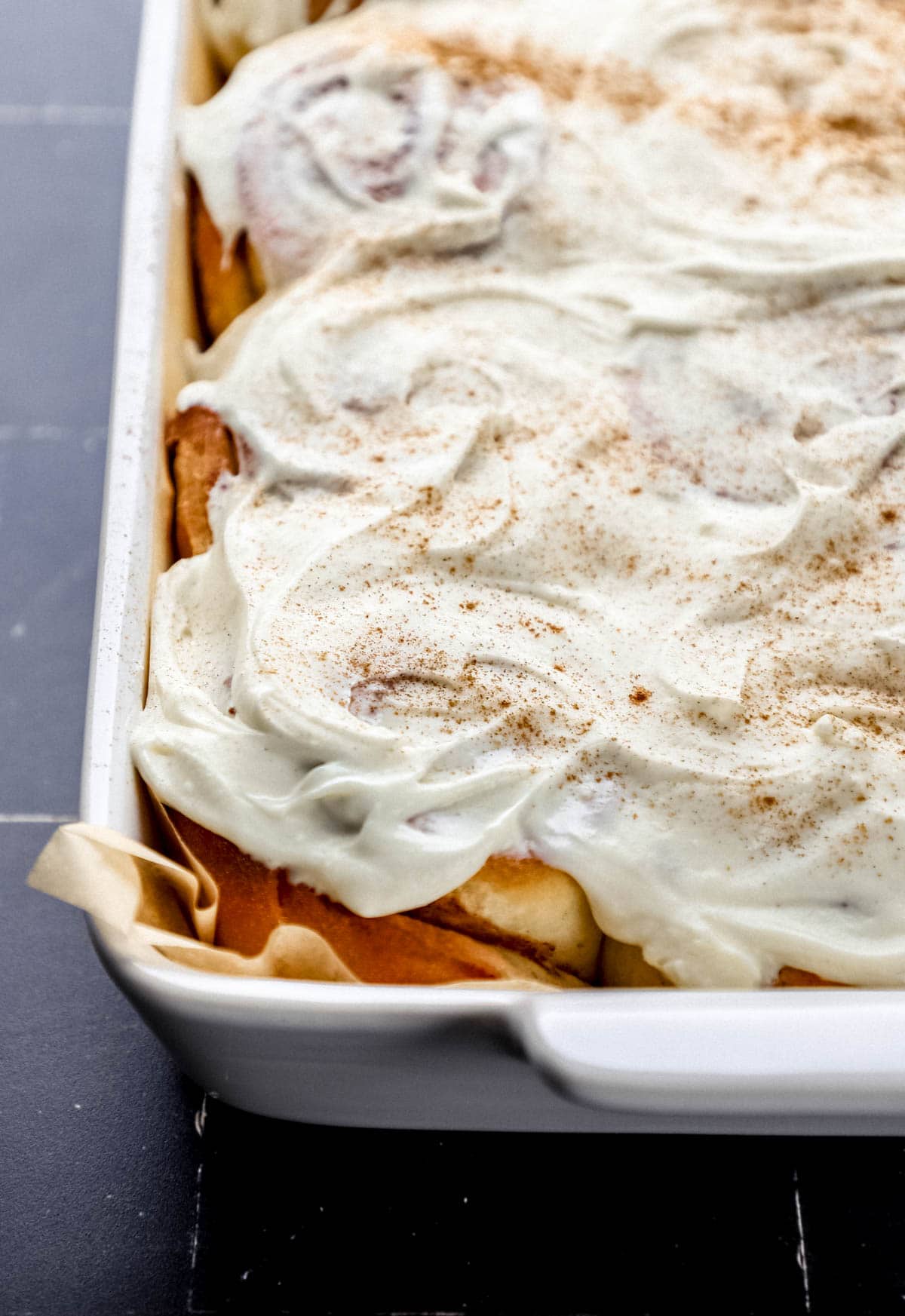
Bake until golden and bubbling. The reliable doneness test is an instant-read thermometer in the center roll: 190°F means the inside is fully baked. Frost while the rolls are warm but not hot. Hot rolls melt the frosting into a puddle, cool rolls won't let it settle into the crevices.
LaKita's Expert Tips
Here are my best tips for making this recipe turn out perfectly every time.
- Use a thermometer for the milk, not your judgment. Above roughly 115°F you start killing yeast, and below 100°F it barely wakes up.
- Weigh your flour if you own a scale. Four and a half cups should come to 563 grams. Volume measuring is where most dense-roll problems begin.
- Let cream cheese and butter sit out for a full hour before you make the frosting. Softening them in the microwave gives you lumps you can't beat out.
- Rotate the pan halfway through baking. Most home ovens have a hot corner, and rotating is the difference between twelve evenly golden rolls and four pale ones.
- If your kitchen runs cold, give the rise more time, not more yeast. Extra yeast makes rolls that taste yeasty and collapse. Patience makes rolls that taste like bread.
- A pan of hot water on the oven's lower rack creates a warm, humid pocket for rising when your house is drafty.
- If you've made my Old Fashioned Yeast Rolls, you already know this dough's feel. Same tacky-not-sticky target, same doubled-in-size cue.
Variations & Substitutions
This recipe is flexible, here are some easy ways to make it your own.
- Caramel and walnuts in the filling. A reader named Stephen tried this and reported back that it was outstanding. Scatter chopped walnuts and drizzle caramel over the cinnamon sugar before you roll.
- Pecans instead of walnuts for a more Southern take.
- Vanilla glaze instead of cream cheese frosting. Powdered sugar, a splash of milk, and vanilla whisked smooth. Maple icing works beautifully too.
- Instant yeast in place of active dry. Instant can be mixed straight into the dry ingredients without proofing, though proofing it does no harm if you'd rather see the foam for peace of mind.
- Bread flour instead of all-purpose for chewier rolls with more structure. Same measurements.
- A smaller batch. If you're baking for two, my Small Batch Cinnamon Rolls scales this whole idea down. And if you want the flavor without the yeast at all, Cinnamon Roll Cake gets you there in a fraction of the time.
Make-Ahead & Storage
Make-Ahead
Shape the rolls, place them in the pan, cover tightly, and refrigerate overnight. In the morning, pull the pan out and let it sit at room temperature for 45 minutes to an hour until the rolls look puffy again, then bake as directed. You can also refrigerate the dough after the first rise for up to 24 hours. Punch it down, wrap it well, and let it come back to room temperature for about an hour before rolling.
Storage & Reheating
Unfrosted rolls keep in an airtight container at room temperature for up to 2 days. Once they're frosted, the cream cheese means they need to be refrigerated, where they'll keep for about 4 days in an airtight container. For longer storage, wrap individual rolls in plastic wrap and then foil and freeze for up to 3 months, thawing overnight in the refrigerator.
To reheat, a 300°F oven for about 10 minutes is best for a whole pan. For a single roll, the microwave for 20 to 45 seconds gets you soft and gooey, or the air fryer at 320°F for 3 to 4 minutes if you want slightly crisp edges.
What to Serve with Cinnamon Rolls
Here are some of my favorite ways to serve this dish.
- Alongside something savory and eggy to balance all that sweetness, Sun-Dried Tomato Quiche is my go-to for a brunch table.
- With a second bread on the table so there's variety. Cheddar Herb Biscuits play beautifully against the cinnamon.
- As part of a bigger breakfast spread with Easy Blueberry Muffins with Frozen Blueberries and a bowl of fresh fruit.
- With strong black coffee. The frosting is sweet and tangy, and a plain dark roast is the right counterweight.
- Warm, on Christmas morning, in pajamas. That's not a serving suggestion so much as a tradition, but it's the one I'd recommend hardest.
Frequently Asked Questions
Yes, active dry yeast is exactly what this recipe is built around. The only extra step compared to instant yeast is proofing it first: dissolve it in warm milk with a little sugar and wait for foam. That takes five to ten minutes and tells you before you've committed any flour that your yeast is alive.
Active dry and instant yeast both make excellent cinnamon rolls, and one packet of either works here. Active dry needs proofing and rises a little more slowly, which some bakers actually prefer because a slower rise develops more flavor. Instant yeast skips the proofing step and rises faster. Use whichever you have. Just don't substitute rapid-rise for active dry without adjusting your rise times.
Warm your milk to 105-110°F, stir in the yeast and a small amount of the sugar, and let it sit undisturbed for five to ten minutes. You're looking for foam on the surface and a yeasty smell. If you see nothing after ten minutes, the yeast is dead or the liquid was too hot. Don't proceed and hope. Start over, because dough made with dead yeast will never rise.
Cinnamon roll dough is an enriched yeast dough: flour, warm milk, sugar, butter, eggs, salt, and yeast. You proof the yeast in the warm milk, combine everything and knead for six to eight minutes until the dough is smooth and tacky, then let it rise until doubled. The full method with quantities is in the recipe card below.
Yes, two ways. You can refrigerate the dough after the first rise for up to 24 hours, then bring it to room temperature for about an hour before rolling. Or my preferred method: shape the rolls completely, cover the pan tightly, refrigerate overnight, and let them sit out 45 minutes to an hour in the morning before baking.
Yes. Instant yeast can be mixed directly into the dry ingredients without proofing. Use the same amount, one packet. If you'd still rather proof it so you can see the foam, that works fine too; proofing instant yeast doesn't hurt it.
Two likely causes. Either the yeast is past its expiration date, or your milk was too hot and killed it on contact. This is why I'm insistent about the thermometer. Fresh yeast in properly warmed milk foams reliably every time.
Yes. Bread flour has more protein, which develops more gluten and gives you a chewier roll with more structure and pull. Use the same measurements. All-purpose gives a softer, more tender crumb. It's a matter of preference, not correctness.
The tops should be golden brown and the pan should be bubbling at the edges. The reliable test is an instant-read thermometer inserted into the center roll, 190°F means fully baked. Pulling them a touch early is better than overbaking, because overbaked cinnamon rolls dry out fast.
Almost always too much flour. Scooping flour straight from the bag can pack in a quarter more than the recipe calls for. Spoon and level, or weigh it. The other common cause is a dough that didn't fully double on the first rise. If your kitchen is cold, it simply needs more time, not more yeast. And if the seam wasn't pinched shut or your filling butter was melted rather than softened, the filling leaks out and the rolls bake up flat.
📖 Recipe
Cinnamon Roll Recipe
Video
Equipment
- 1 Stand mixer with hook attachment
- 1 Rolling Pin
- 1 sharp knife
- 1 9x13 inch baking dish
Ingredients
- Dough:
- 1 cup whole milk, warmed to 105-110°F
- 1 packet (2¼ tsp) active dry yeast
- ½ cup granulated sugar, divided
- ⅓ cup unsalted butter, melted
- 1 teaspoon salt (omit if using salted butter)
- 2 large eggs
- 4 ½ cups all-purpose flour, plus extra for rolling
- Filling:
- 1 cup brown sugar
- 3 tablespoons ground cinnamon
- ⅓ cup unsalted butter, softened
- Cream Cheese Frosting:
- 6 tablespoons unsalted butter, softened
- 1 ½ cups powdered sugar
- ¼ cup cream cheese, room temperature
- ½ teaspoon vanilla extract
Instructions
- Step 1: Proof the Yeast: Warm 1 cup milk to 105-110°F. Add the 1 packet yeast and 1 teaspoon of the sugar. Let it sit 5-10 minutes until foamy and fragrant. If nothing happens, your yeast is dead, or the milk was too hot, start over.
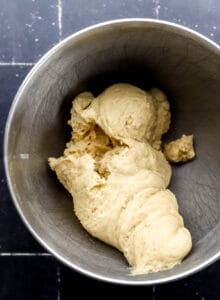
- Step 2: Make the Dough: In a stand mixer with a dough hook, combine the remaining sugar, ⅓ cup melted butter, 1 teaspoon salt, 2 eggs, and 4 ½ cups flour. Mix on low until crumbly. Add the proofed yeast mixture and mix on medium-low for 6-8 minutes until a soft, slightly sticky dough forms. The dough should pull away from the bowl sides but remain tacky. If too wet, add 1-2 tablespoons more flour.
- Step 3: First Rise: Lightly oil a large bowl. Form dough into a ball and place in the bowl, turning to coat. Cover with a kitchen towel or plastic wrap. Let rise in a warm spot for 1-1.5 hours until doubled in size.
- Step 4: Prepare the Filling: Mix 1 cup brown sugar and 3 tablespoons cinnamon in a small bowl. Grease a 9x13-inch baking dish.
- Step 5: Roll and Fill: Punch down the dough. On a lightly floured surface, roll into a 17x14-inch rectangle about ¼ inch thick. Spread the softened butter evenly over the dough, leaving a ½-inch border on one long edge. Sprinkle the cinnamon-sugar mixture over the butter.
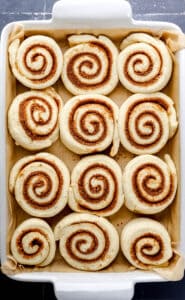
- Step 6: Shape the Rolls: Starting from the long edge opposite the border, tightly roll the dough toward you. Pinch the seam to seal. Using a sharp knife or dental floss, cut into 10 equal slices (about 1.5 inches each). Place cut-side up in the prepared pan.
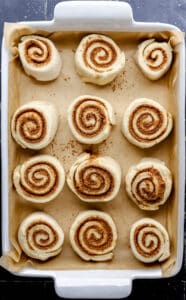
- Step 7: Second Rise: Cover the pan with a towel and let rise 30 minutes until puffy and nearly doubled.
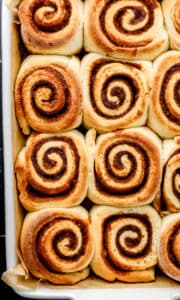
- Step 8: Bake: Preheat oven to 350°F. Bake 20 minutes until golden brown and bubbly. The internal temperature should reach 190°F. Don't overbake or they'll dry out.
- Step 9: Make the Frosting: While rolls cool slightly, beat 6 tablespoons butter, 1 ½ cups powdered sugar, ¼ cup cream cheese, and ½ teaspoon vanilla until smooth and creamy.
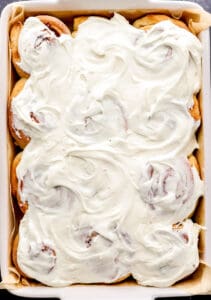
- Step 10: Frost and Serve: Spread frosting generously over warm (not hot) rolls. Serve immediately for maximum gooeyness.
Did You Make This Recipe?
If you give these cinnamon rolls a try, I'd love to know what you think! Leave a comment below, share a photo on Instagram and tag @SimplyLaKita, or save it on Pinterest for later. A star rating in the recipe card genuinely helps other bakers find this recipe and decide whether to trust it. And if you tried the overnight method or added something to the filling, tell me about it. Stephen's caramel and walnut idea came from a comment just like yours, and now it's in the post. If you hit a snag anywhere, ask me in the comments and I'll help you troubleshoot it.

Tammy says
Oh I love cinnamon rolls...these look absolutely heavenly! What a fabulous treat to wake up to in the morning 😀
LaKita says
Thank you Tammy, they're such a delicious treat 🙂
Kathryn says
There's nothing better than hot cinnamon rolls from the oven. Thanks for this amazing recipe- your instructions were so helpful!
LaKita says
Thank you so much Kathryn!! Happy to help with your cinnamon roll success 🙂
Elaine says
I can't believe how easy this recipe was and it came out perfectly. Thanks for the recipe. 🙂
LaKita says
Thank you Elaine!! Glad to hear that your cinnamon rolls came out perfectly!
Bernice says
My goodness, I can't believe how amazing these cinnamon rolls turned out. I had to slap away hands so that they could cool enough for the frosting! As suspected, once the frosting was on, they disappeared quickly!
LaKita says
That makes me so happy to hear Bernice! Waiting for them to cool is the hardest part in my home as well!!
Marta says
I love eating cinnamon rolls and these look fantastic. I can't wait to try the recipe out for our weekend brunch!
LaKita says
Thank you Marta! I hope you enjoy them 🙂
Enriqueta says
This is my second time coming for this recipe. I thought you would like to know everybody loves your cinnamon rolls at home! This is an A+ recipe. Thank you, Lakita.
LaKita says
Thank you Enriqueta! I happy to hear that you're enjoying the cinnamon roll recipe 🙂
JR says
This sounded fantastic until I saw that you did not give a dimension for the rolling of the dough before spreading filling. Would you please post?
LaKita says
Certainly, roll the dough out to about 17"x 14". This dough is forgiving and this measurement isn't exact, it can vary based on baking pan used and desired size/thickness of rolls.
ramona says
I haven't made cinnamon rolls in such a long time and these look super delicious! Thank you for sharing this recipe, I cant wait to make these today!
LaKita says
Thank you so much Ramona, hope you enjoyed the recipe!
Debbie says
Cinnamon rolls are my weakness and these sound wonderful. I love that you include a cream cheese icing , that is ultimate topping. I can't wait to try these.
LaKita says
Thank you Debbie, I hope you get a chance to try them soon!
Marta says
I made these cinnamon rolls for a brunch yesterday and everyone who ate one commented on how fluffy and buttery they are. This is definitely a great breakfast bread recipe.
LaKita says
Thank you Marta! So happy to hear the cinnamon rolls were a success 🙂
Erin says
These rolls were amazing! I especially loved the cream cheese frosting. Thanks for a great recipe!
LaKita says
Thank you Erin, the cream cheese frosting really does add a little something extra!!
Dani says
Nothing beats a good, well written recipe for Cinnamon Rolls. Thank you for the detailed instructions. I will make this recipe again and again (they didn't last long!)
LaKita says
Thank you Dani! They never last long in my home either 🙂
Leslie says
Everyone needs a classic, cinnamon roll recipe to keep on hand. This is definitely that recipe!
LaKita says
Thank you Leslie, perfect recipe to keep on hand!
veenaazmanov says
Soft, fluffy and flavorful Cinnamon filling. These Rolls look delicious. I love the Cream Cheese frosting too.Best for a Tea Party.
LaKita says
Thank you so much, definitely great to serve with tea!
Kate says
These cinnamon rolls are so fluffy and delicious, my husband really enjoyed them and he is a cinnamon roll connoisseur! The cream cheese frosting is of course the best part 🙂
LaKita says
Thank you so much Kate, glad to hear they were a hit!
Amanda Mason says
Amazing recipe and not difficult to make! The flavors are fantastic! I can see myself making these on Christmas morning for my family! So good!
LaKita says
Thank you Amanda! They definitely sound like the perfect way to start Christmas morning!
Sharon says
It doesn't get better than these cinnamon rolls. The step-by-step instructions make sure that they come out perfectly every time I make them.
LaKita says
Thank you Sharon, they are so delicious 🙂
Pam says
How many does the recipe make?
I can’t wait to try these!
LaKita says
Hi Pam! The recipe makes about 8 to 10 cinnamon rolls, but you can cut them smaller if you would like.
Teeanna Munro says
Can you substitute the all purpose flour with bread flour?
LaKita says
Hi Teeanna! I have never tried it but it should work with bread flour as well.
Akaleistar says
Those cinnamon rolls look so good!
LaKita says
Thank you 🙂