
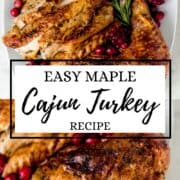
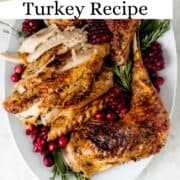
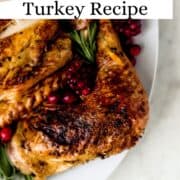
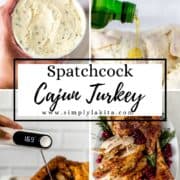
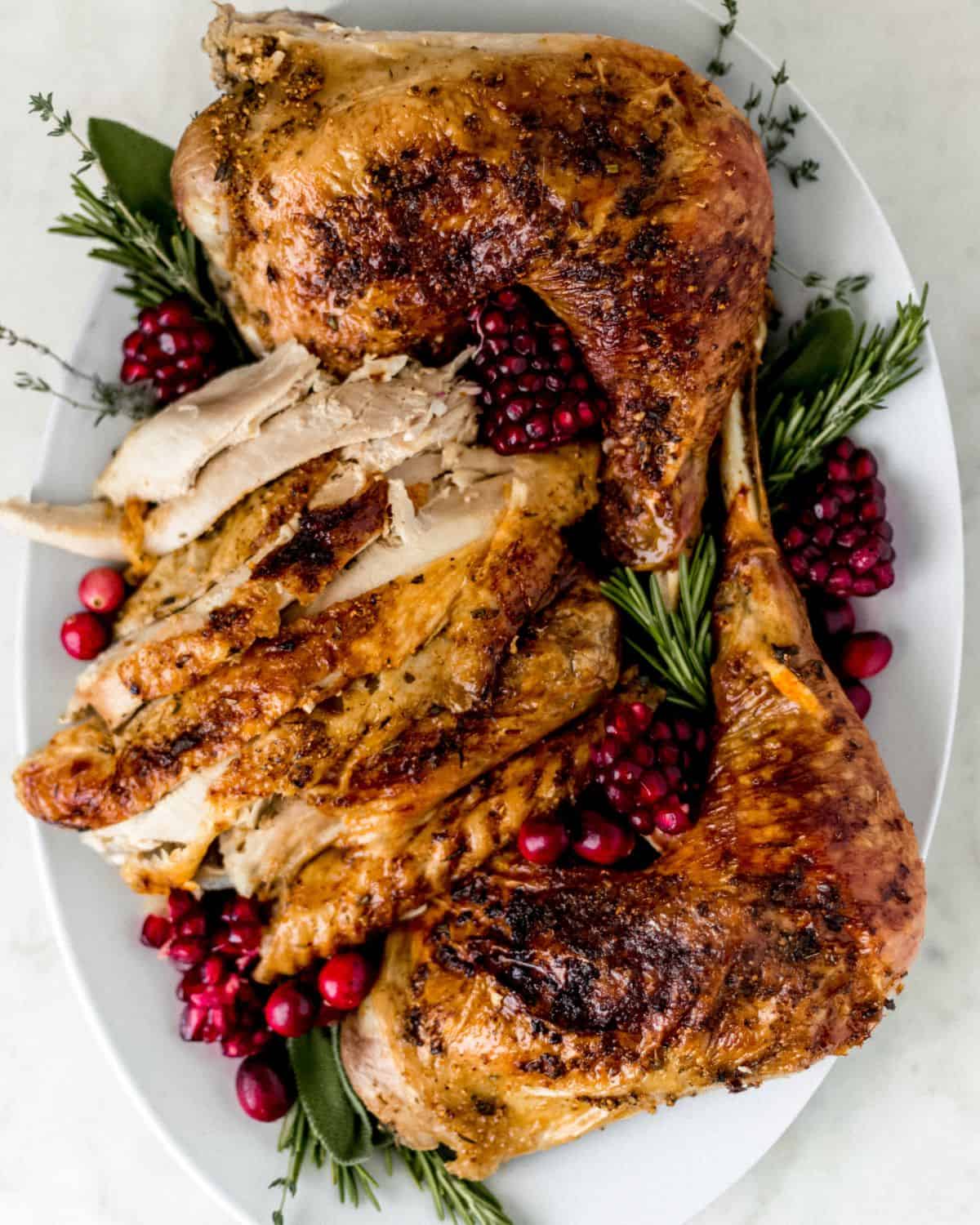
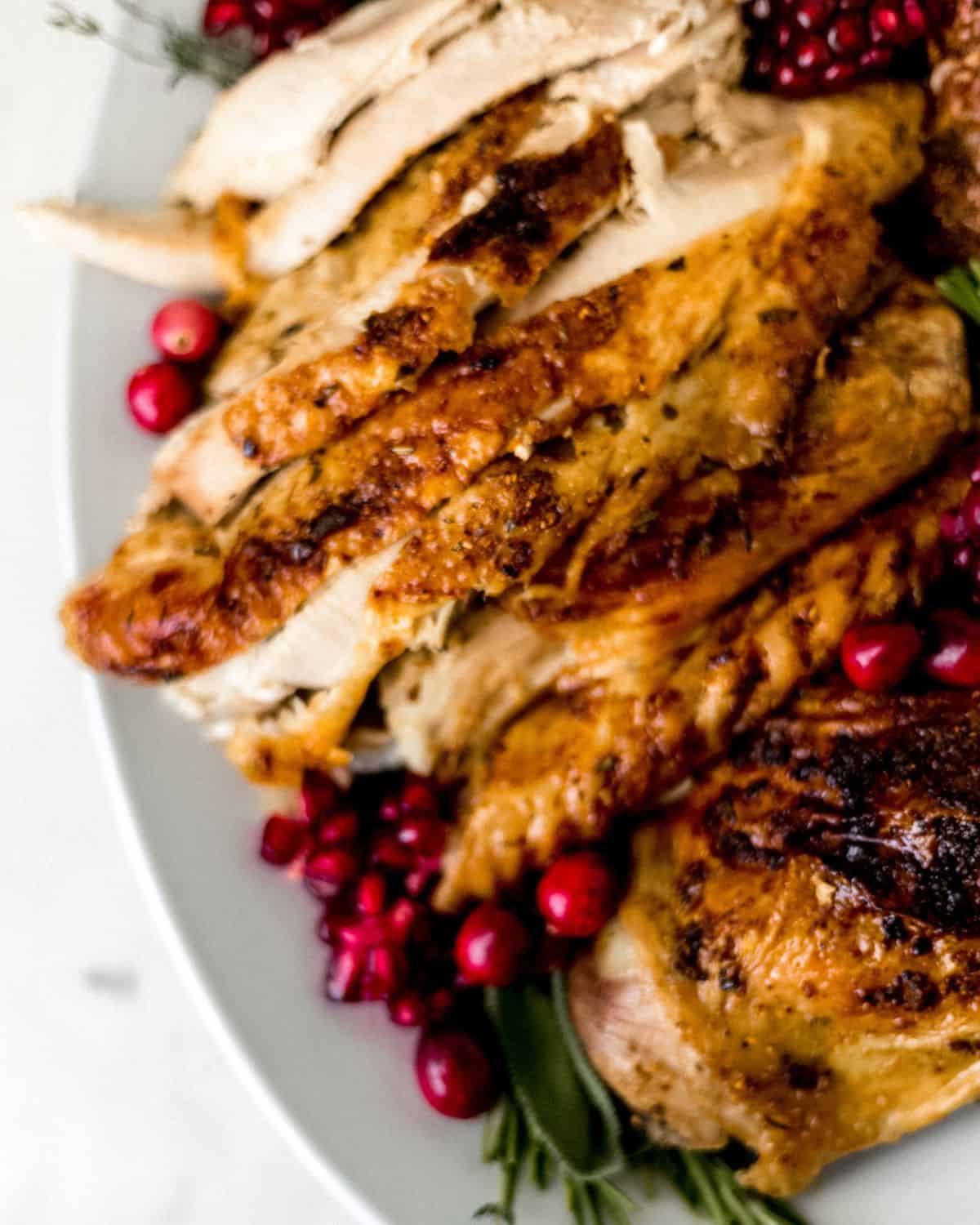
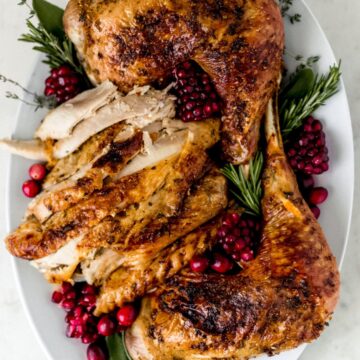
This Spatchcock Cajun Turkey is coated with garlic herb butter and Cajun seasoning, then finished with maple syrup for crispy skin, juicy meat, and a little sweet heat.
Removing the backbone and flattening the turkey helps it roast more evenly than a traditional whole bird, making this a great option when you want a flavorful Thanksgiving turkey without spending most of the day checking the oven.
Updated September 28, 2026: I refreshed this post with clearer spatchcocking instructions, better temperature guidance, make-ahead tips, and simplified troubleshooting. The recipe itself remains the same. Originally posted November 18, 2019.
Want To Save This Recipe?
Watch this quick video tutorial!
Here's what readers have to say about this recipe:
Reader Aline, commented: "Girl, this looks bomb!! I always mess the turkey lol but spatchcocking it makes it so much easier and faster! Love the tips!! ★★★★★"
Another reader Marta, commented: "I think spatchcocking turkeys should be more of thing. I always suggest it to my family members who can't seem to understand roasting until FULLY cooked, LOL!! ★★★★★"
Spatchcocking sounds much more intimidating than it actually is.
You're simply removing the backbone and flattening the bird so more of the turkey sits at the same level in the oven. That means the breast and dark meat cook more evenly, and you get a lot more crispy skin exposed to the heat.
For this version, I add herb butter under and over the skin, season everything with Cajun seasoning, then brush the turkey with maple syrup partway through roasting.
The result is savory, buttery, a little spicy, and just sweet enough around the edges.
Serve it with Southern Cornbread Dressing, Southern Mac and Cheese, and Creamy Mashed Potatoes for a full holiday plate. Let's get started!
Jump to:
- Watch this quick video tutorial!
- Why You'll Love This Recipe
- Ingredients You'll Need
- How to Make Spatchcock Cajun Turkey
- LaKita's Expert Tips
- How to Spatchcock a Turkey
- What Size Turkey Works Best?
- How Long Does a Spatchcock Turkey Take?
- Can I Spatchcock the Turkey the Day Before?
- How Long Does a Turkey Take to Thaw?
- Do I Need to Brine This Turkey?
- Can I Use a Different Cajun Seasoning?
- Why Add Maple Syrup After the Turkey Starts Roasting?
- What If the Turkey Is Browning Too Fast?
- What If the Breast Is Done Before the Thighs?
- Storage and Reheating
- What to Serve With Cajun Turkey
- Frequently Asked Questions
- 📖 Recipe
- Did You Make This Recipe?
Why You'll Love This Recipe
- Faster roasting: Flattening the turkey helps it cook more efficiently than a traditionally shaped whole bird.
- More crispy skin: More surface area is exposed to the oven heat.
- Juicy meat: The flattened shape helps the breast and dark meat cook more evenly.
- Big holiday flavor: Garlic, fresh herbs, Cajun seasoning, butter, and maple syrup give the turkey plenty of flavor.
- Great for Thanksgiving: You still get a dramatic whole-turkey centerpiece without the traditional roasting method.
Ingredients You'll Need
See the recipe card below for exact measurements.
- Whole turkey: Use a completely thawed 12- to 20-pound turkey with the neck and giblets removed. Make sure your roasting pan or sheet pan is large enough for the flattened bird.
- Butter: Softened butter carries the garlic and herbs and helps flavor the meat beneath the skin.
- Garlic: Fresh minced garlic adds savory flavor to the herb butter.
- Fresh sage, thyme, and rosemary: These classic poultry herbs give the butter plenty of holiday flavor.
- Olive oil: Helps coat the exterior and encourages browning.
- Cajun seasoning: Adds salt, spice, garlic, paprika, and other savory flavors depending on the blend. Check your seasoning label because salt levels vary widely among brands.
- Maple syrup: Brushed onto the turkey after the initial high-heat roast for a lightly sweet, caramelized finish.
👉🏾 See the recipe card below for exact quantities and complete instructions.
How to Make Spatchcock Cajun Turkey
Here is the quick overview. The recipe card contains the full detailed method.
1. Make the Herb Butter
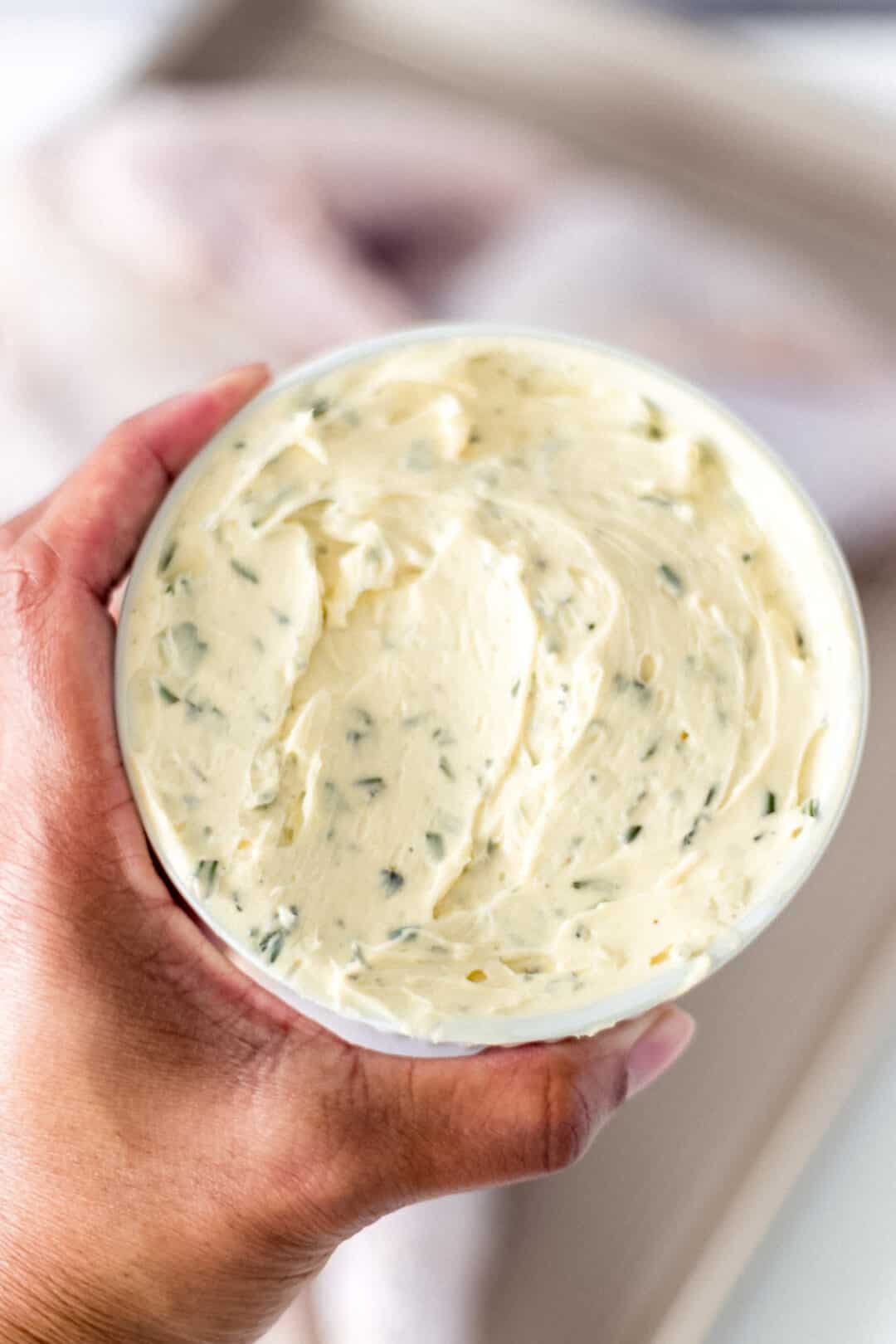
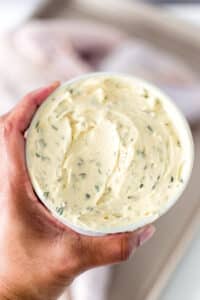
Combine softened butter with the minced garlic, sage, thyme, and rosemary.
Set it aside while you prepare the turkey.
2. Remove the Backbone
Place the thawed turkey breast-side down on a sturdy cutting board.
Using sharp poultry shears, cut along both sides of the backbone and remove it.
Save the backbone for gravy or homemade turkey stock.
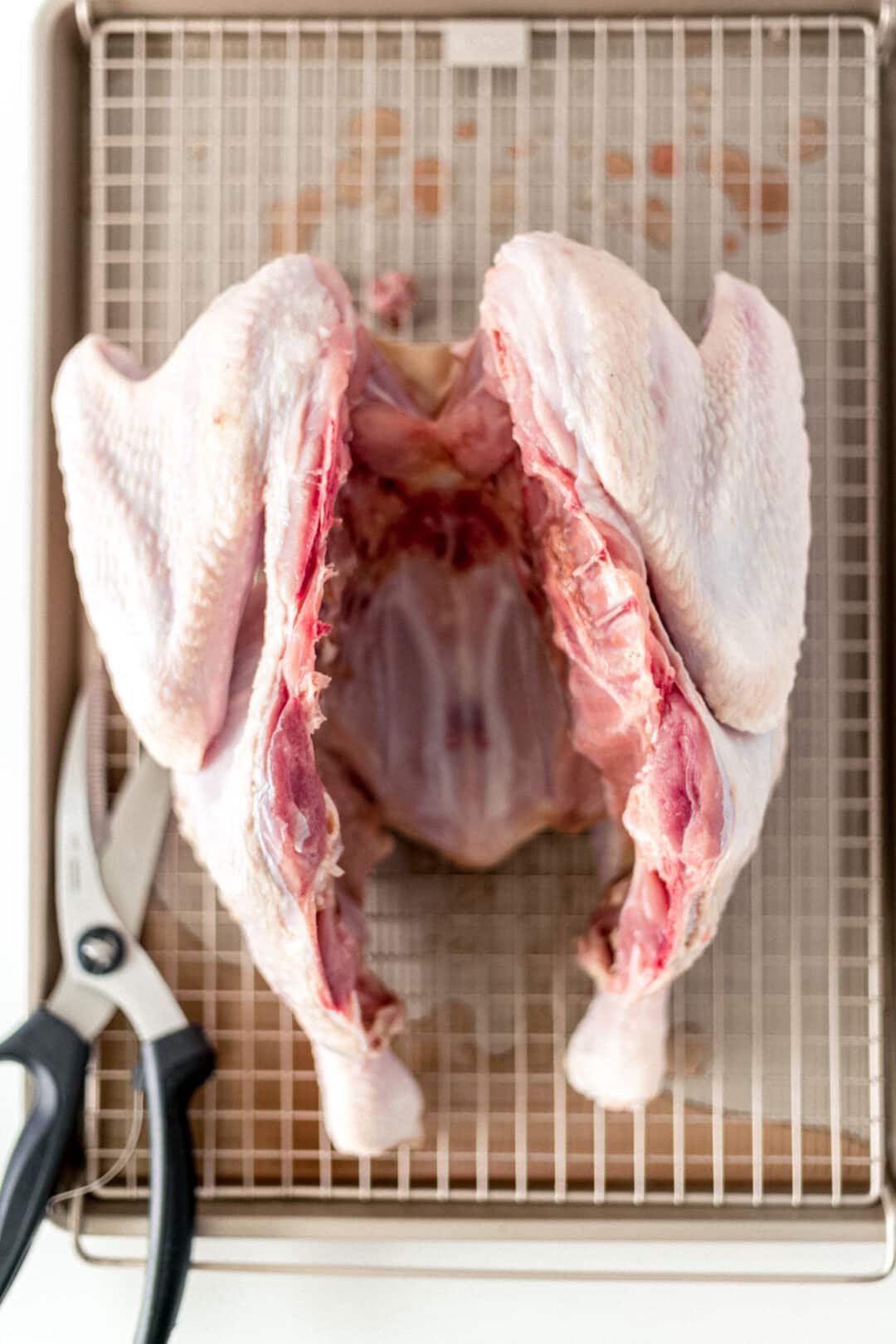
3. Flatten the Turkey
Turn the turkey breast-side up.
Press firmly over the breastbone until the bird flattens and lies more evenly.
Tuck the wing tips behind the breasts or trim them if necessary.
4. Add the Herb Butter
Pat the turkey dry.
Carefully loosen the skin over the breast and spread some of the herb butter underneath it.
Spread the remaining butter over the turkey.
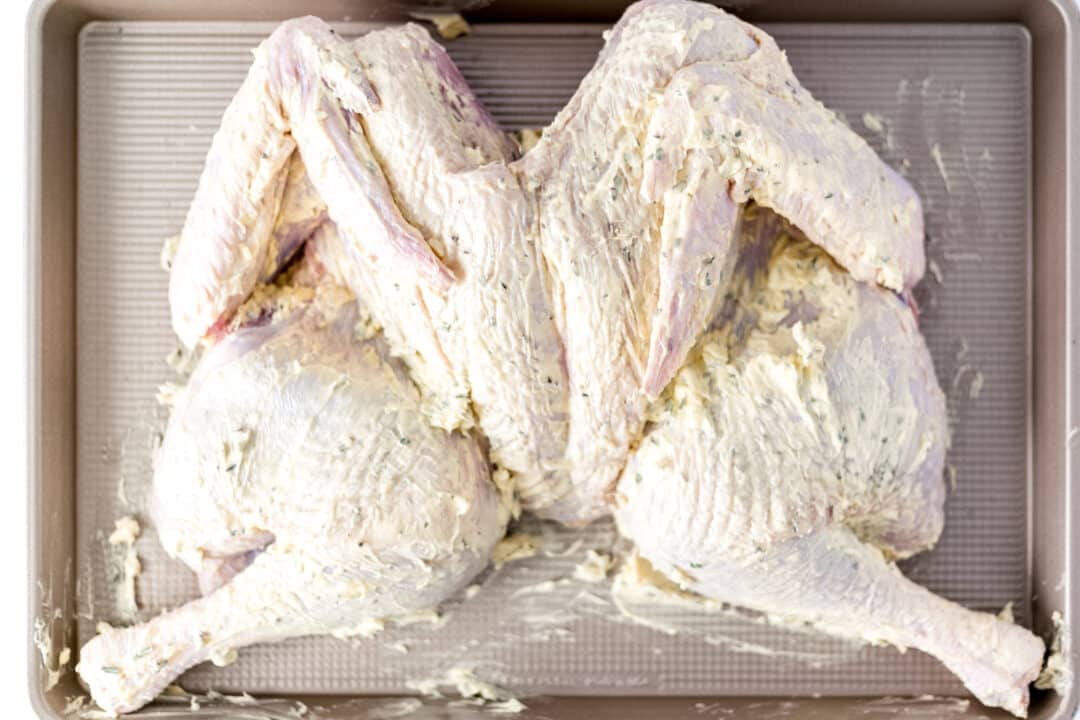
5. Season
Drizzle the exterior with olive oil and sprinkle evenly with Cajun seasoning.
6. Roast
Roast at 450°F for 30 minutes.
Brush the turkey with maple syrup, reduce the oven temperature to 350°F, and continue roasting until safely cooked through.
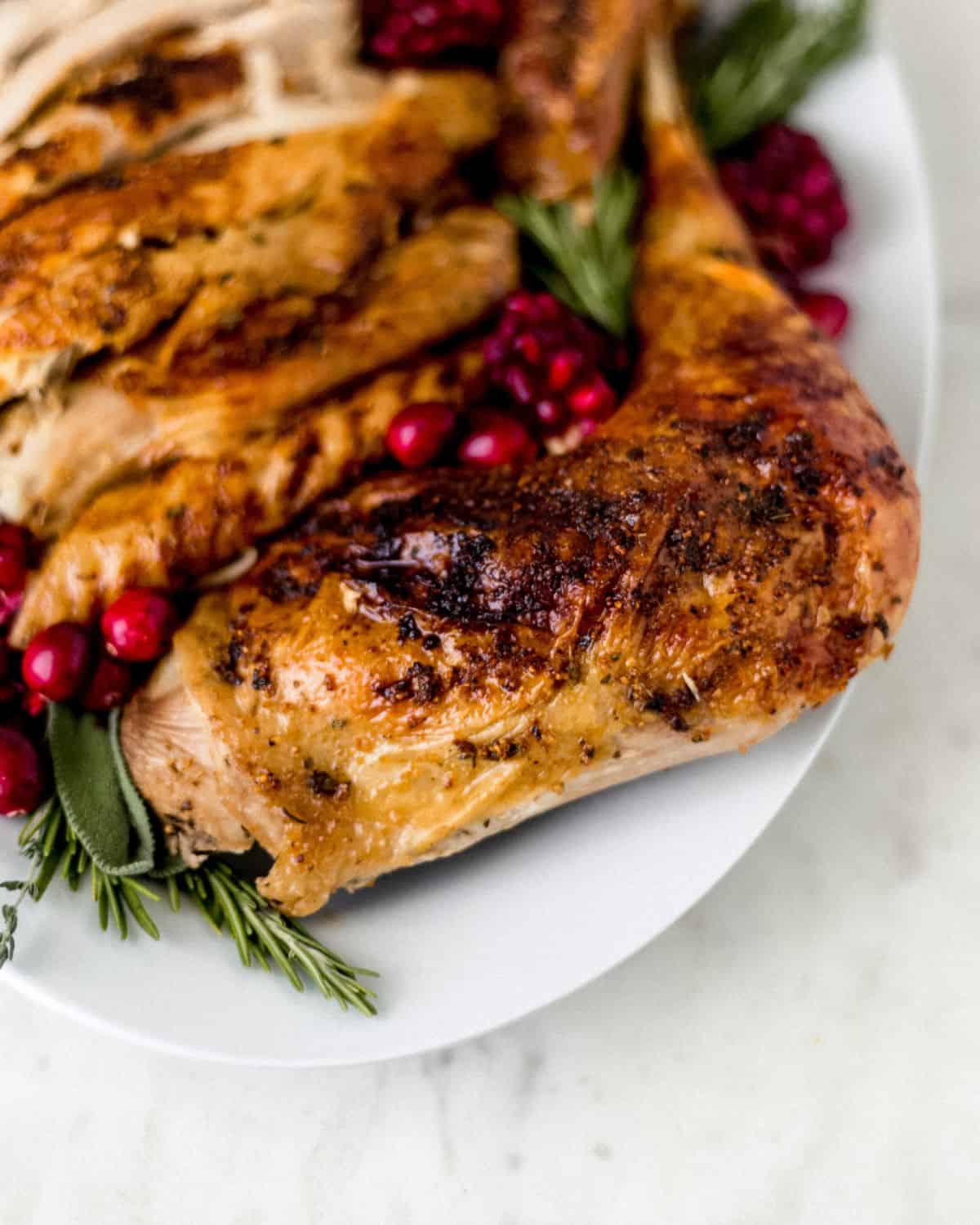
7. Check the Temperature
Use an instant-read thermometer rather than relying only on time.
The turkey is done when the thickest part of the breast, innermost thigh, and innermost wing all reach at least 165°F.
Avoid touching bone with the thermometer.
8. Rest Before Carving
Transfer the turkey to a platter or cutting board and let it rest before carving.
A 20- to 30-minute rest gives the juices time to settle and makes carving easier.
LaKita's Expert Tips
- Completely thaw the turkey first. Spatchcocking a partially frozen bird is unnecessarily difficult.
- Use poultry shears. This is one job where sharp, sturdy shears make a huge difference.
- Pat the skin very dry. Less surface moisture means better browning.
- Season underneath the skin. Herb butter directly against the meat gives you flavor beyond the surface.
- Check your Cajun seasoning for salt. Some blends are much saltier than others.
- Use a large rimmed pan. A flattened turkey takes up more horizontal space than you may expect.
- Cook by temperature, not minutes per pound. Bird size, pan material, oven calibration, and starting temperature all affect roasting time.
- Don't keep opening the oven. Start checking as the turkey approaches doneness rather than every few minutes.
- Rest before carving. Cutting immediately lets more juice run onto the board instead of staying with the meat.

How to Spatchcock a Turkey
Place the turkey breast-side down with the backbone facing you.
Using sturdy poultry shears, cut from the tail end toward the neck along one side of the backbone.
Repeat on the other side and remove the backbone completely.
Turn the turkey breast-side up.
Place both hands over the center of the breast and press down firmly until the breastbone cracks and the bird lies flat.
That's it.
It may take a little muscle, especially with a larger turkey, but the technique itself is simple.
What Size Turkey Works Best?
This recipe is written for a 12- to 20-pound turkey.
Keep in mind that a larger spatchcocked turkey takes up a lot of room.
Before Thanksgiving morning, make sure:
- The flattened turkey fits your roasting pan or sheet pan.
- The pan fits comfortably inside your oven.
- The turkey is not hanging over the edges of the pan.
If you have a very large bird and a small oven, two smaller turkeys may actually be easier to manage.
How Long Does a Spatchcock Turkey Take?
There isn't one reliable minutes-per-pound number for this recipe.
This turkey starts at 450°F for 30 minutes, gets brushed with maple syrup, then finishes roasting at 350°F.
The total cooking time depends on the turkey's size, how cold it is when it enters the oven, your roasting pan, and your oven.
For that reason, the thermometer decides when dinner is ready, not the clock.
Begin checking the turkey well before you expect it to be finished.
Remove it once the thickest breast, innermost thigh, and innermost wing have reached at least 165°F.
Can I Spatchcock the Turkey the Day Before?
Yes.
In fact, that's a great Thanksgiving time-saver.
Spatchcock the thawed turkey, place it on the roasting pan, cover or otherwise store it safely in the refrigerator, and roast it the next day.
A turkey thawed in the refrigerator can generally remain refrigerated for 1 to 2 days after thawing, so plan your thawing and preparation timeline accordingly.
You can also prepare the herb butter a day or two ahead and refrigerate it separately.
Bring the butter back to a soft, spreadable consistency before using.
How Long Does a Turkey Take to Thaw?
Plan on approximately 24 hours of refrigerator thawing for every 4 to 5 pounds of turkey.
That means a large Thanksgiving turkey can need several days in the refrigerator before you're ready to cook it.
Do not wait until Wednesday night to introduce yourself to a frozen 20-pound turkey. 😂
Once thawed in the refrigerator, cook it within 1 to 2 days.
Do I Need to Brine This Turkey?
Not necessarily.
This recipe gets plenty of flavor from the herb butter and Cajun seasoning.
Also check the turkey label before brining. Some turkeys are already injected or enhanced with a salt solution, and adding a traditional brine can make the finished bird too salty.
If your turkey is pre-brined, self-basting, or contains an added solution, I would skip additional wet brining and season accordingly.
Can I Use a Different Cajun Seasoning?
Absolutely.
Use your favorite blend, but taste or check the label for salt content.
Some Cajun seasoning blends contain a substantial amount of salt while others are mostly spices.
If yours is particularly salty, avoid adding additional salt to the turkey unless needed.
Why Add Maple Syrup After the Turkey Starts Roasting?
Maple syrup contains sugar.
If it goes onto the skin at the very beginning of a high-heat roast, it has more time to darken or burn.
Adding it after the first 30 minutes gives the skin a head start on browning before the maple glaze is applied.
What If the Turkey Is Browning Too Fast?
Loosely tent the darkest areas with aluminum foil.
You don't need to cover the entire turkey unless necessary.
Continue roasting until all the required temperature-check points reach at least 165°F.
What If the Breast Is Done Before the Thighs?
Loosely cover the breast with foil and continue roasting until the thighs reach 165°F.
That's another reason to check more than one location before removing the turkey from the oven.
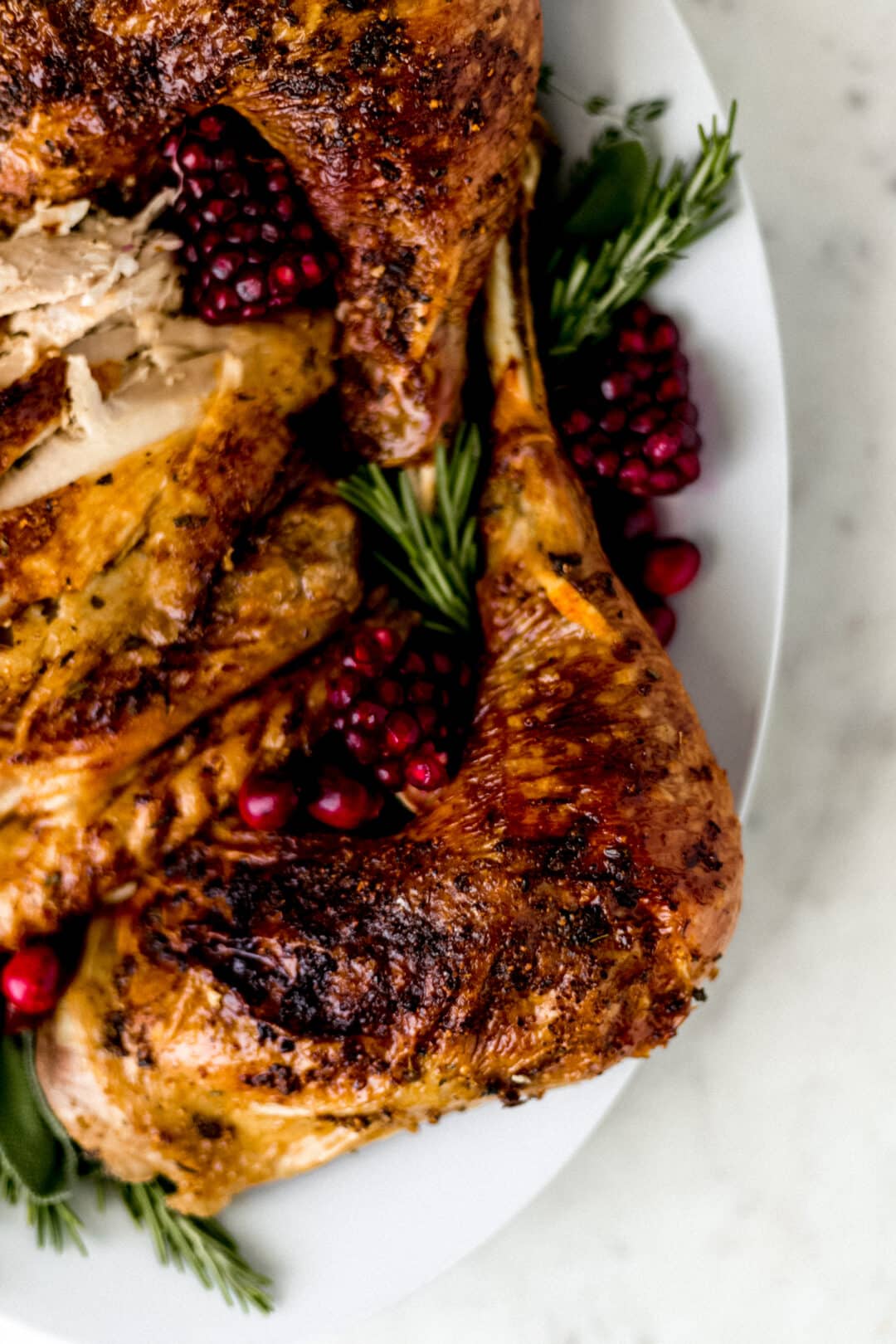
Storage and Reheating
Refrigerator
Carve leftover turkey from the bones and refrigerate it within 2 hours of serving.
Store it in an airtight container in the refrigerator for up to 4 days.
Freezer
Freeze sliced or chopped cooked turkey in freezer-safe bags or containers.
For best quality, use within about 2 to 3 months.
Adding a little broth to the container can help protect the meat from drying out.
Reheating
Place turkey slices in a baking dish with a splash of broth.
Cover tightly with foil and warm in a 300°F to 325°F oven until heated through.
Leftovers should reach 165°F when reheated.
What to Serve With Cajun Turkey
Complete the Thanksgiving plate with:
- Southern Cornbread Dressing
- Southern Mac and Cheese
- Creamy Mashed Potatoes
- Easy Candied Yams
- Southern Collard Greens
- Green Bean Casserole
And save that backbone and those drippings. They have gravy written all over them.
Frequently Asked Questions
Spatchcocking means removing the backbone and flattening the turkey before roasting.
The flatter shape helps the bird cook more evenly and exposes more skin to the oven heat.
Yes. You'll often see the terms used interchangeably for poultry.
It's different rather than universally better.
Spatchcocking gives you more exposed skin and generally faster, more even roasting. A traditional whole turkey gives you the classic upright presentation.
The turkey should reach at least 165°F in the thickest portion of the breast, innermost portion of the thigh, and innermost portion of the wing.
Yes.
You can remove the backbone and refrigerate the turkey overnight, provided you're still within the safe refrigerator window for thawed raw poultry.
You can omit the maple finish, although the turkey will lose the sweet element that balances the Cajun seasoning.
For the recipe as tested, I recommend keeping it.
The general spatchcock technique works beautifully for whole chicken, but the roasting time will be dramatically shorter.
Use temperature rather than adapting the turkey's cooking time.
Fresh herbs give this butter its best flavor.
If substituting dried herbs, use substantially less because dried herbs are more concentrated.
📖 Recipe
Spatchcock Cajun Turkey with Maple Glaze Recipe
Video
Equipment
- 1 roasting pan or rimmed sheet pan
- 1 poultry shears
Ingredients
- 1 cup butter, softened
- 2 cloves garlic, minced
- 1 tablespoon fresh sage, finely chopped
- 1 tablespoon fresh thyme, finely chopped
- 1 tablespoon fresh rosemary, finely chopped
- 1 whole 12 to 20-pound turkey, completely thawed, neck and giblets removed
- ½ cup olive oil
- ½ tablespoon Cajun seasoning
- ¼ cup maple syrup
Instructions
- Preheat the oven to 450 degrees F.
- Using a small bowl, stir together the 1 cup butter, 2 cloves minced garlic, 1 tablespoon sage, 1 tablespoon thyme, and 1 tablespoon rosemary. Set it aside.
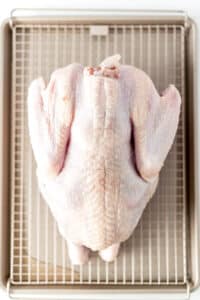
- Spatchcock the turkey by using the poultry shears, cut along both sides of the backbone until you are able to remove it completely. Save it to make gravy or store it in a freezer bag to make homemade stock.
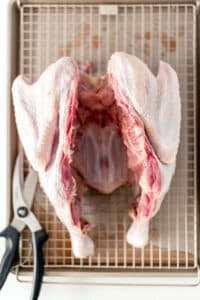
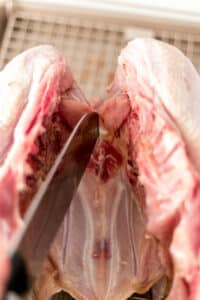
- Gently stretch open the cavity of the bird to reveal the breastbone inside. Carefully make a small incision in the bone using a knife. This will make it easier to flatten out the turkey.
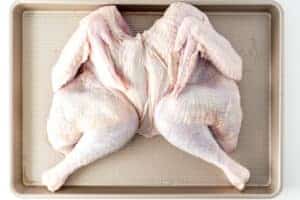
- Flip the turkey over, breast side up, and stretch it out as wide as it will allow.
- Place both of your hands on both sides of the chest of the bird and press down firmly until you hear a snapping sound and the turkey is able to flatten out. Tuck the wing tips or cut them off if you prefer.
- Use your hands to generously spread the herb butter all over the turkey. Don't forget the area between the skin and meat.
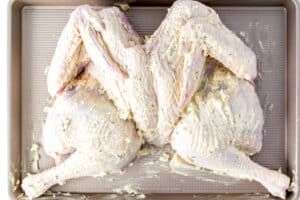
- Use a paper towel to pat the outside of the turkey to dry it of any excess moisture. Drizzle the ½ cup olive oil evenly on top of the turkey. Spread with your hands to cover evenly. Evenly sprinkle on the ½ tablespoon cajun seasoning.
- Place in a roasting pan or directly on the oven rack with a separate pan placed on the rack underneath to catch the drippings. If you placed directly on the rack, remove using a set of metal spatulas or turkey lifters.
- Remove from the oven and brush evenly all over with ¼ cup maple syrup. Reduce the oven temperature to 350 degrees F. Cook the turkey at 350°F for 30 minutes.
- Check the thickest part of the breast, innermost thigh, and innermost wing. The turkey is safely cooked when all three reach at least 165°F.
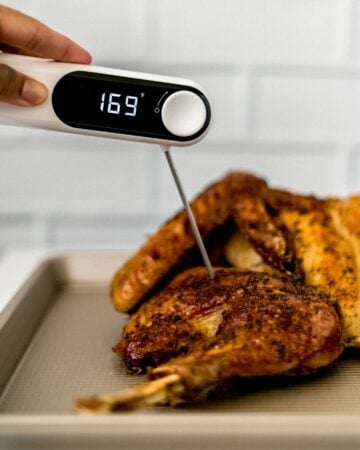
- Remove the turkey from the oven. If you used the roast pan loosely tent the pan with aluminum foil. If you cooked directly on the oven rack, carefully transfer the turkey from the oven onto a pan. Allow the turkey time to rest for 20 to 30 minutes before carving.
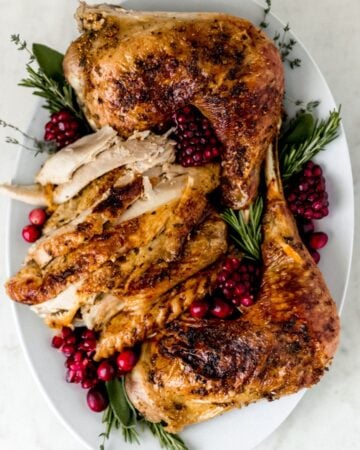
Notes
- Place a few halved onions or citrus slices under the rack to flavor the drippings.
- Make a quick pan gravy with the drippings if desired.
- Use leftover bones for a rich turkey stock or soup base.
Did You Make This Recipe?
Made this Spatchcock Cajun Turkey? Leave a ⭐⭐⭐⭐⭐ rating and a comment below. And if this was your first time spatchcocking a turkey, tell me whether removing that backbone was easier or more of a workout than you expected.

Aline says
Girl, this looks bomb!! I always mess the turkey lol but spatchcocking it makes it so much easier and faster! Love the tips!!
LaKita says
Thank you!! It is so much easier!
SHANIKA says
Wow! This Turkey looks so well done and gorgeous! I've also learned about cutting out the back of the Turkey to ensure that it cooks well! This recipe is a must try!
LaKita says
Thank you so much!!
Calysta says
What a beautifully photographed recipe with awesome techniques! Thank you!
LaKita says
Thank you so much Calysta!!
Katrina Adams says
Your turkey looks amazing and I will definitely be adding this recipe to my collection!!
LaKita says
Thank you Katrina! You won't regret it!
Jazz says
Cajun turkey is the best! Your method turns out beautifully.
LaKita says
Thank you Jazz! I love using cajun seasoning whenever I can 🙂
Adri Ruff says
This is such a smart way to get your bird in and out on Turkey Day. Thank you so much for sharing!
LaKita says
Yes! It saves so much time, especially on Turkey Day!
Mila says
Your recipes never disappoint! This is no exception. The outcome looks beautiful and so tasty!
LaKita says
Thank you so much Mila! This recipe is a keeper for sure!
Dawn @ Our Food Fix says
What a delicious turkey variation! I’ve never tried spatchcocking but am so interested!
LaKita says
Thank you! It is my favorite way to roast turkey in the oven, such a time saver!
Desiree says
Love how creative this recipe is! If you're making this for the holidays this year I'm sure the fam won't be disappointed!
LaKita says
Thank you!! I will definitely be making it again for the holiday!
Amber S Battishill says
This sounds absolutely delicious! Love that spicy and sweet combo. Gorgeous photos too!
LaKita says
Thank you! It is the best combination!!
Marta says
I think spatchcocking turkeys should be more of thing. I always suggest it to my family members who can't seem to understand roasting until FULLY cooked, LOL!!
LaKita says
I agree!! It is so much easier!! LOL!!
Kileen says
This recipe looks and sounds so amazing! I want to try it bad!
Kileen
LaKita says
Thank you, it's really delicious!
Paula @ I'm Busy Being Awesome says
I love anything maple, I need to give it a go
LaKita says
Yes please, you won't regret it!
Amber says
Beautifully done! The outside of this turkey just looks spot on.... my mouth is literally watering!
LaKita says
Thank you! It turned out really well and didn't last a full day in my house.
Erin says
Very timely read just in time for the holidays! Will definitely add the recipe index:)
LaKita says
Thank you! Just in time!!
Ashley Rollins says
These photos make it so easy to follow. This looks delicious.
LaKita says
Thank you Ashley! It is simple with a good pair of poultry shears 🙂
Kendra says
I’m attempting this delicious sounding recipe this holiday. But I’m a bit confused. Do I butter, then pat dry , add olive oil and then Cajun seasoning? Wouldn’t Patti g it dry after the butter remove it?
LaKita says
Awesome! You will add the butter first, then lightly dab away any excess moisture with a paper towel. Try not to rub the butter with the paper towel, but you do want to get rid of any moisture on the surface of the butter before adding the other ingredients. Hope this makes sense. If you have any other questions, please feel free to send an email to lakita@simplylakita.com.