


This Southern Turkey Seasoning combines sage, thyme, rosemary, paprika, garlic, and onion for a savory homemade turkey rub you can mix in 5 minutes.
Make a jar ahead for Thanksgiving turkey, turkey breast, or weeknight chicken. Optional celery seed and cayenne let you add another layer of flavor.
Updated October 15, 2026: I refreshed this post with clearer ingredient notes, a simple mixing overview, consistent usage guidance, storage tips, and answers to common questions. The seasoning ingredients and quantities remain the same. Originally posted on October 21, 2025.

Want To Save This Recipe?
I learned this blend at my family's Sunday table, where sage and thyme meant the holidays were close. I have been cooking and sharing modern Southern comfort food on Simply LaKita since 2013, and this is the turkey rub I come back to every year. It is balanced, reliable, and tested on whole turkeys, turkey breasts, wings, and weeknight roast chicken.
What you get here is a practical, no-fuss mix with clear measurements that works for small birds or a big Thanksgiving showpiece. I note the salt brand so your results stay consistent, and I include a starting amount per pound so you can season according to the size of your turkey and whether it has already been salted. You can make it weeks ahead, label the jar, and you're set for the season.
Jump to:
- Why You'll Love This Recipe
- Ingredients You'll Need
- How to Make Turkey Seasoning
- LaKita's Expert Tips
- How Much Seasoning Should I Use?
- Using the Blend on Chicken
- Step-By-Step: How To Use On Turkey
- Make It Your Own
- Make-Ahead and Storage
- What to Serve With Your Seasoned Turkey
- Frequently Asked Questions
- 📖 Recipe
- Did You Make This Recipe?
Why You'll Love This Recipe
- Fast and foolproof. Pantry herbs and spices in five minutes.
- Balanced and aromatic. Classic poultry herbs with warm, savory depth.
- Made for Thanksgiving. Designed to shine on a whole turkey and in the pan drippings for gravy.
- Make-ahead friendly. Stays fresh for months so you can prep early and relax on the big day.
Ingredients You'll Need
See the recipe card below for exact measurements.

- Sage: the soul of classic poultry seasoning
- Thyme + Rosemary: woodsy, herbal backbone
- Paprika: gentle warmth and a pretty golden color
- Garlic Powder + Onion Powder: savory flavor throughout the blend
- Black Pepper: freshly ground for a soft bite
- Kosher Salt: the recipe specifies Morton kosher salt, with a separate amount for Diamond Crystal
- Celery Seed: optional but very Southern and very good
- Cayenne: Optional for gentle heat. Leave it out if you prefer a milder blend.
👉🏾 See the recipe card below for exact quantities and full instructions.
How to Make Turkey Seasoning
Here's the quick overview. The recipe card below contains the complete measurements and instructions.
1. Measure the Herbs and Spices
Measure the sage, thyme, rosemary, paprika, garlic powder, onion powder, black pepper, and kosher salt. Add the optional celery seed and cayenne if using.
2. Whisk Together
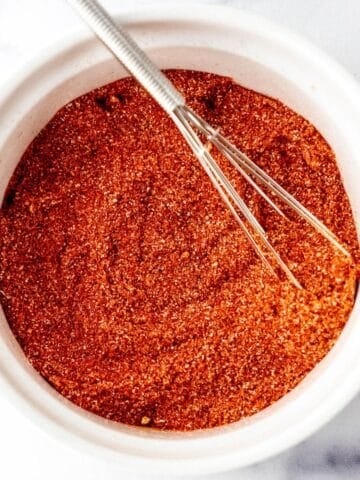
Add everything to a small bowl and whisk until evenly combined, breaking up any clumps. Taste a tiny pinch of the dry blend before it comes into contact with raw poultry.
3. Transfer to a Jar
Spoon into a clean, dry airtight jar. Label with the name and date, then store away from heat and light.

LaKita's Expert Tips
- Grind for extra flavor. If you have a mortar and pestle or spice grinder, pulse rosemary, thyme, and celery seed for a few seconds to wake up the oils.
- Salt type matters. This recipe uses Morton kosher salt. If using Diamond Crystal, increase the salt by about 50 percent.
- Make it once. Double or triple the recipe and keep a jar on hand for chicken thighs and weeknight roast veggies.
How Much Seasoning Should I Use?
Use about 1 tablespoon per 2 pounds of turkey as a starting point, then adjust for your taste and the turkey's salt content. For a 10- to 14-pound turkey, that works out to about 5 to 7 tablespoons. This is a starting guide rather than a requirement to use the whole batch.
Check the turkey's label first. For a pre-brined, salted, or injected turkey, reduce or omit the salt in the blend and season lightly.
Using the Blend on Chicken
The original recipe notes suggest 1 to 1½ teaspoons per pound of chicken. Start lightly if the chicken has already been salted or brined, and use your preferred chicken recipe for cooking instructions.
Step-By-Step: How To Use On Turkey
- Pat the turkey dry. Remove giblets.
- Butter or oil. Rub the turkey all over with 4 tablespoons of softened butter or olive oil so the seasoning sticks.
- Season. Sprinkle the rub generously inside the cavity and all over the skin. Gently lift the skin over the breast and season the meat directly.
- Rest. Let the seasoned turkey rest 30 minutes at room temperature or refrigerate up to 24 hours for maximum flavor.
- Roast. Roast according to your preferred method. Use the drippings for gravy.
Make It Your Own
- Citrus. Mix in 1 teaspoon finely grated lemon or orange zest right before rubbing on the bird.
- Herb butter. Stir 2 tablespoons of the blend into ½ cup softened butter for an easy compound butter to swipe under the skin.
- Maple roasted. Whisk 1 tablespoon of the blend into ¼ cup maple syrup and brush during the last 20 minutes of roasting.

Make-Ahead and Storage
Store the blend in an airtight jar away from heat and light for up to 6 months. Use fresh-smelling herbs and spices, and keep the jar dry. This storage guidance applies to the dry blend only; if you mix it with butter, oil, or fresh zest, prepare and store that mixture separately.
What to Serve With Your Seasoned Turkey
Round out your Thanksgiving menu with a few Simply LaKita favorites: Southern Cornbread Dressing, Collard Greens with Ham Hocks, Sweet Potato Pie, and Baked Mac and Cheese. Add Hibachi Vegetables for a bright side that everyone loves.

Frequently Asked Questions
Yes. If your turkey is already seasoned, reduce or omit the salt in the blend and season lightly.
Plan on 1 tablespoon per 2 pounds of turkey as a starting point. Divide it between the skin and the meat underneath, and adjust for the turkey's existing salt content.
Yes. Follow the salt amount and timing in your chosen dry-brine recipe, then apply the salt-free version of this seasoning before roasting.
📖 Recipe

Southern Turkey Seasoning Recipe
Equipment
- 1 small bowl
- 1 Whisk
- 1 jar or storage container
Ingredients
- 2 tablespoons dried sage
- 1 tablespoon dried thyme
- 1 tablespoon dried rosemary
- 1 tablespoon paprika
- 2 teaspoons garlic powder
- 2 teaspoons onion powder
- 2 teaspoons black pepper, freshly ground if possible
- 1 tablespoon kosher salt (Morton). Use 1 tablespoon plus 1½ teaspoons if using Diamond Crystal
- ½ teaspoon celery seed, lightly crushed, optional
- ¼ teaspoon cayenne, optional for gentle heat
Instructions
- Add all ingredients to a small bowl. Whisk to combine, breaking up any clumps.

- Taste a tiny pinch. Adjust salt or herbs to your preference.

- Transfer to a jar. Label and store up to 6 months.

- To use for turkey. Pat the turkey dry. Rub with softened butter or oil, then season liberally with the blend, including under the skin and inside the cavity. Rest 30 minutes before roasting or refrigerate up to 24 hours for deeper flavor.
Notes
- For chicken. Use 1 to 1½ teaspoons per pound of chicken.
- For extra-golden skin. Add 1 teaspoon of baking powder to the blend for wings or spatchcocked turkey.
- Sodium note. Adjust salt to taste if you plan to dry brine separately.
- Store the dry blend in an airtight jar away from heat, light, and moisture for up to 6 months. This guidance applies to the dry seasoning, without added butter, oil, or fresh zest.
- Start with about 1 tablespoon per 2 pounds of turkey, divided between the skin and meat underneath. Adjust for taste and whether the turkey is already salted, brined, or injected.
- For pre-brined or injected turkey, reduce or omit the salt. If dry-brining separately, follow that recipe's salt amounts and use this blend without added salt.
Did You Make This Recipe?
Made this Southern Turkey Seasoning? Leave a ⭐⭐⭐⭐⭐ rating and a comment below. And tell me, are you using it on a whole turkey, turkey breast, or chicken?
Leave a Reply